UN Warns of Palestinian Displacement in West Bank
The UN warns of potential mass expulsion of Palestinians in the West Bank, citing settlement expansion and settler violence as key drivers.
Cuneyd Erdogan ·
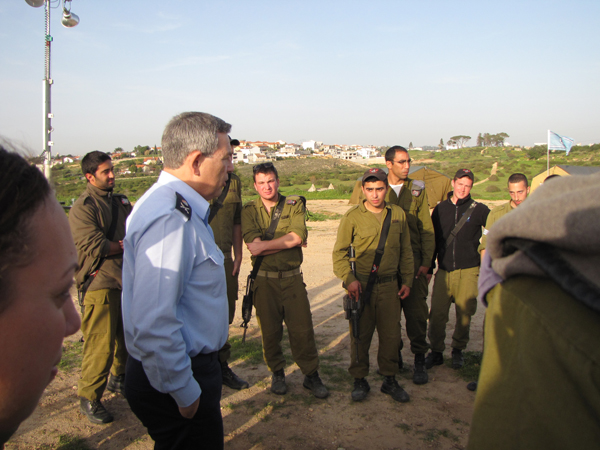
The United Nations has expressed significant concern regarding the displacement of Palestinian communities in the West Bank, characterizing recent actions as potentially leading to mass expulsions. This warning highlights a deteriorating humanitarian situation and raises questions about international law and human rights obligations in the occupied territories.
Escalating Displacement Concerns
Reports from UN officials indicate a pattern of forced displacement affecting Palestinian residents, particularly in Area C of the West Bank. These actions are attributed to a combination of Israeli settlement expansion, demolition orders, and increased settler violence, which collectively pressure communities to leave their ancestral lands.
Humanitarian Impact and Legal Framework
The displacement has severe humanitarian consequences, including loss of homes, livelihoods, and access to essential services for thousands of Palestinians. International humanitarian law, specifically the Fourth Geneva Convention, prohibits an occupying power from forcibly transferring protected persons from occupied territory, regardless of the motive.
Role of Israeli Settlements
The expansion of Israeli settlements is a primary driver of these displacement trends. Settlements, considered illegal under international law, often lead to the confiscation of Palestinian land, restrictions on movement, and the creation of a coercive environment that makes continued residency untenable for many Palestinian families.
Increased Settler Violence
Alongside settlement expansion, there has been a documented rise in violence perpetrated by Israeli settlers against Palestinian civilians and their property. This violence, often occurring with perceived impunity, further contributes to the pressure on Palestinians to abandon their homes and lands, exacerbating the displacement crisis.
International Community's Response
The international community, including the United Nations and various human rights organizations, has repeatedly called on Israel to cease settlement activities and protect Palestinian civilians. However, these calls have largely gone unheeded, leading to continued displacement and a deepening humanitarian crisis in the West Bank.
Geopolitical Implications
The ongoing displacement has significant geopolitical implications, further complicating prospects for a two-state solution and regional stability. It fuels tensions and undermines efforts to achieve a lasting peace agreement between Israelis and Palestinians, drawing condemnation from numerous international bodies and states.
Outlook for Palestinian Communities
The future for many Palestinian communities in the West Bank remains precarious, with ongoing threats of demolition and displacement. The UN's warning underscores the urgent need for international intervention to protect these vulnerable populations and ensure adherence to international law in the occupied Palestinian territories.
Implications
Country Impact: The ongoing displacement exacerbates internal tensions within the Palestinian territories and complicates governance efforts by the Palestinian Authority. It also strains Israel's international relations, drawing criticism from allies and international bodies.
Industry Impact: Construction and agricultural sectors in the West Bank are significantly impacted by land confiscations and movement restrictions. The displacement disrupts local economies and limits development opportunities for Palestinian communities.
Market Impact: The instability in the West Bank contributes to regional geopolitical risk premiums, potentially affecting foreign investment and aid flows into the Palestinian territories. It also influences global perceptions of stability in the broader Middle East.