Irish PM Martin Meets Trump Amid Iran Tensions
Irish PM Martin met U.S. President Trump on March 17, 2026, amid U.S.-Iran tensions, discussing foreign policy and European relations.
Lauren Collins ·
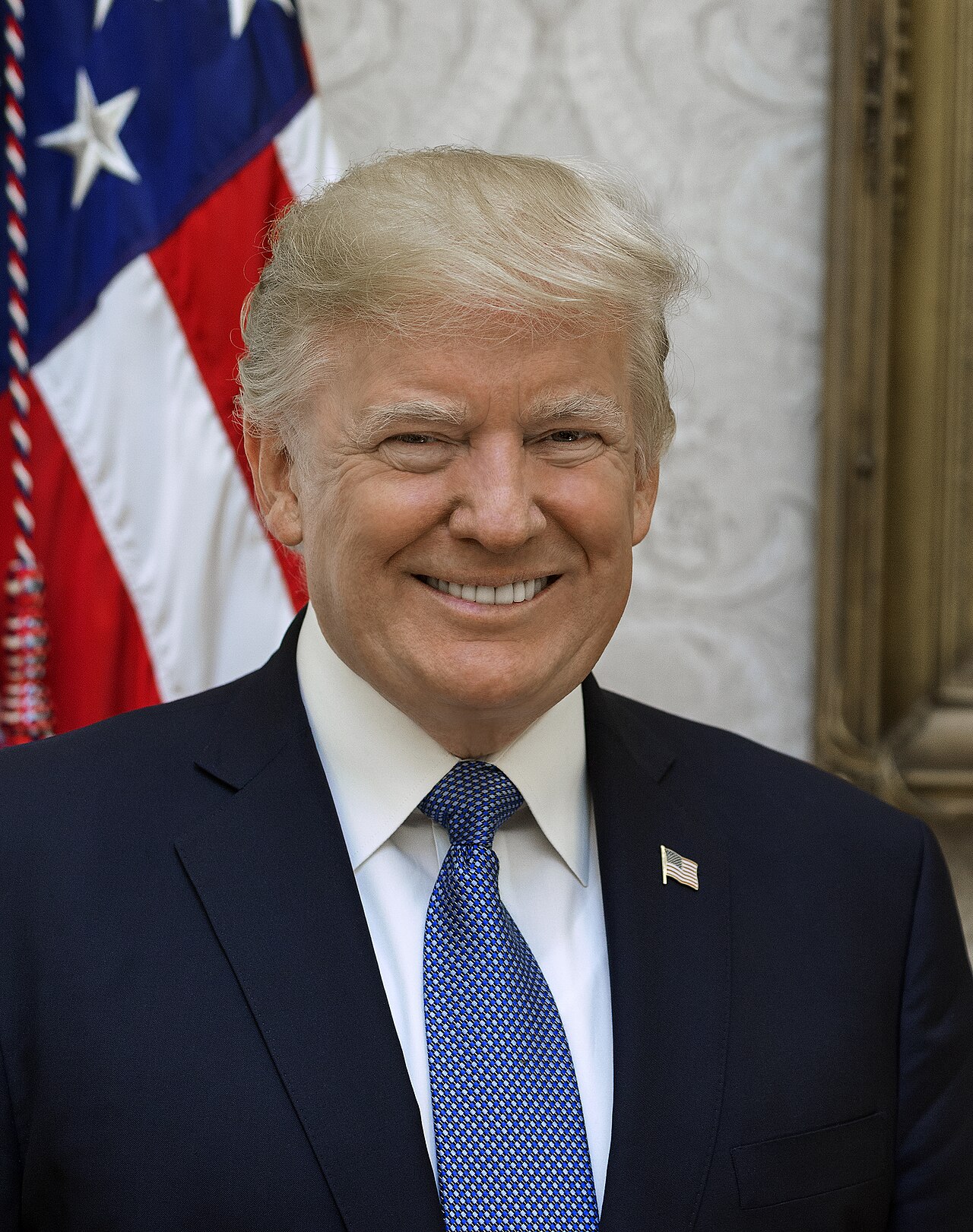
Irish Prime Minister Micheál Martin engaged in diplomatic discussions with U.S. President Donald Trump in Washington, D.C., on March 17, 2026. The meeting, part of the annual Saint Patrick's Day observances, took place against a backdrop of escalating U.S.-Iran tensions and recent personnel changes within the U.S. counterterrorism apparatus.
The discussions in the Oval Office primarily focused on U.S. foreign policy, particularly regarding Iran and the broader relationship with European allies. President Trump reportedly voiced concerns over perceived insufficient support from NATO members for potential military actions in the Strait of Hormuz.
Diplomatic Engagements and NATO Stance
Ireland's diplomatic approach aimed to navigate complex global dynamics while upholding its commitment to international legal frameworks. This stance is particularly relevant given ongoing geopolitical challenges, including the U.S.-Israel relationship with Iran.
Addressing Geopolitical Friction
This high-level engagement occurred as the Irish Prime Minister faced domestic expectations to address the evolving situation in the Middle East. The discussions served as a platform for Ireland to articulate its foreign policy principles directly to the U.S. leadership.
Context of U.S.-Iran Relations
The resignation of a U.S. counterterrorism chief shortly before the meeting underscored the internal complexities and differing viewpoints within the U.S. administration regarding its approach to the Iran situation. Such internal shifts often signal potential adjustments in foreign policy strategy.
Future Diplomatic Outlook
Future interactions between European and U.S. leaders will likely continue to address these persistent tensions, with an emphasis on finding common ground on security, trade, and diplomatic strategies. The outcome of these discussions will influence regional stability and international alliances.
Implications
Country Impact: Ireland's diplomatic efforts underscore its commitment to international law and multilateralism, potentially enhancing its role as a neutral mediator in global conflicts. The engagement allows Ireland to voice its perspectives directly to a major global power.
Industry Impact: The discussions on U.S.-Iran tensions and maritime security in the Strait of Hormuz could indirectly affect global energy markets and shipping industries, particularly if tensions escalate further. Stability in these regions is crucial for global trade flows.
Market Impact: While direct market impacts are limited, any perceived escalation or de-escalation of U.S.-Iran tensions following such high-level meetings can influence investor sentiment in energy commodities and defense sectors. Geopolitical stability generally supports market confidence.