Pakistan Airstrike Hits Afghan Hospital, 408 Dead
A Pakistani airstrike hit an Afghan hospital on March 17, 2026, killing 408 and injuring 265, escalating regional tensions.
Lauren Collins ·
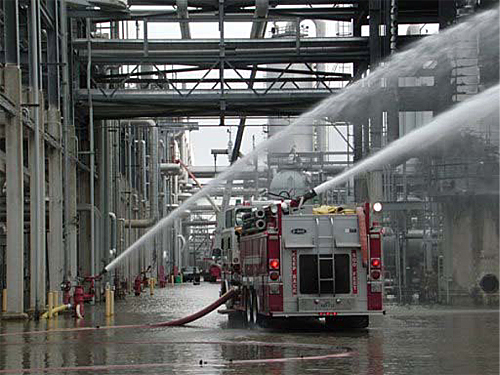
A Pakistani airstrike on March 17, 2026, struck the Omar Addiction Treatment Hospital in Kabul, Afghanistan, resulting in 408 fatalities and 265 injuries, according to statements from Taliban authorities. The incident, which occurred around 9 p.m. local time (16:30 GMT), affected a medical facility reportedly housing approximately 3,000 patients from various regions of Afghanistan.
This event unfolds amid heightened tensions between Afghanistan and Pakistan, nations sharing a 2,600-kilometer (1,600-mile) border. Pakistan's government asserted that its military operations were precision strikes aimed at "military installations and terrorist support infrastructure," refuting allegations of civilian targeting.
Afghan officials, however, maintain that the attack directly hit a civilian hospital, leading to substantial casualties. The United Nations Special Rapporteur on Human Rights in Afghanistan, Richard Bennett, voiced profound concern regarding reports of civilian deaths. Bennett called for immediate de-escalation, restraint from all parties, and strict adherence to international humanitarian law, specifically emphasizing the protection of civilian infrastructure such as hospitals.
Eyewitness accounts from the scene described multiple explosions and extensive fires engulfing the hospital premises. Rescue operations are reportedly underway to locate individuals still missing in the aftermath of the strike. The differing accounts from Pakistani and Afghan authorities underscore the complex and often disputed nature of cross-border military actions in the region.
Regional Tensions Escalate
The recent airstrike marks a significant escalation in the ongoing conflict dynamics between the two neighboring countries. Historically, the Afghanistan-Pakistan border region has been a flashpoint for disputes, often involving allegations of cross-border militant activities and retaliatory military actions. The porous border and shared ethnic populations contribute to the intricate security challenges faced by both nations.
International Law and Civilian Protection
International humanitarian law explicitly mandates the protection of civilian objects, including hospitals, during armed conflicts. Attacks on such facilities are considered serious violations. The UN's call for adherence to these laws highlights the global community's concern over the potential disregard for civilian safety in military operations. The incident places renewed scrutiny on the conduct of military actions in densely populated areas.
Humanitarian Crisis Implications
The Omar Addiction Treatment Hospital, reportedly a large facility serving a significant patient population, plays a crucial role in Afghanistan's already strained healthcare system. The destruction of such an institution, coupled with the high casualty count, exacerbates the existing humanitarian challenges within the country. The long-term impact on public health services and the welfare of vulnerable populations is a significant concern following this event.
Implications
Country Impact: The incident significantly heightens political and military tensions between Afghanistan and Pakistan, potentially leading to further cross-border retaliations. It also exacerbates Afghanistan's humanitarian crisis, particularly impacting its already fragile healthcare infrastructure and civilian population.
Industry Impact: The destruction of a major medical facility will severely strain Afghanistan's public health sector, potentially increasing demand on remaining healthcare providers and international aid organizations. It may also affect regional stability, impacting cross-border trade and infrastructure projects.
Market Impact: Increased geopolitical instability in the Afghanistan-Pakistan region could introduce uncertainty into regional markets, potentially affecting investor confidence and commodity prices, particularly for energy resources. Humanitarian aid flows and reconstruction efforts may see increased international focus and funding.