Iran's Response Threatens Eurozone Oil Supply, Inflation Outlook
Iran's warning of a stronger response to military action reignites concerns over oil transit through the Strait of Hormuz, posing a direct inflationary risk…
Claire Dubois ·
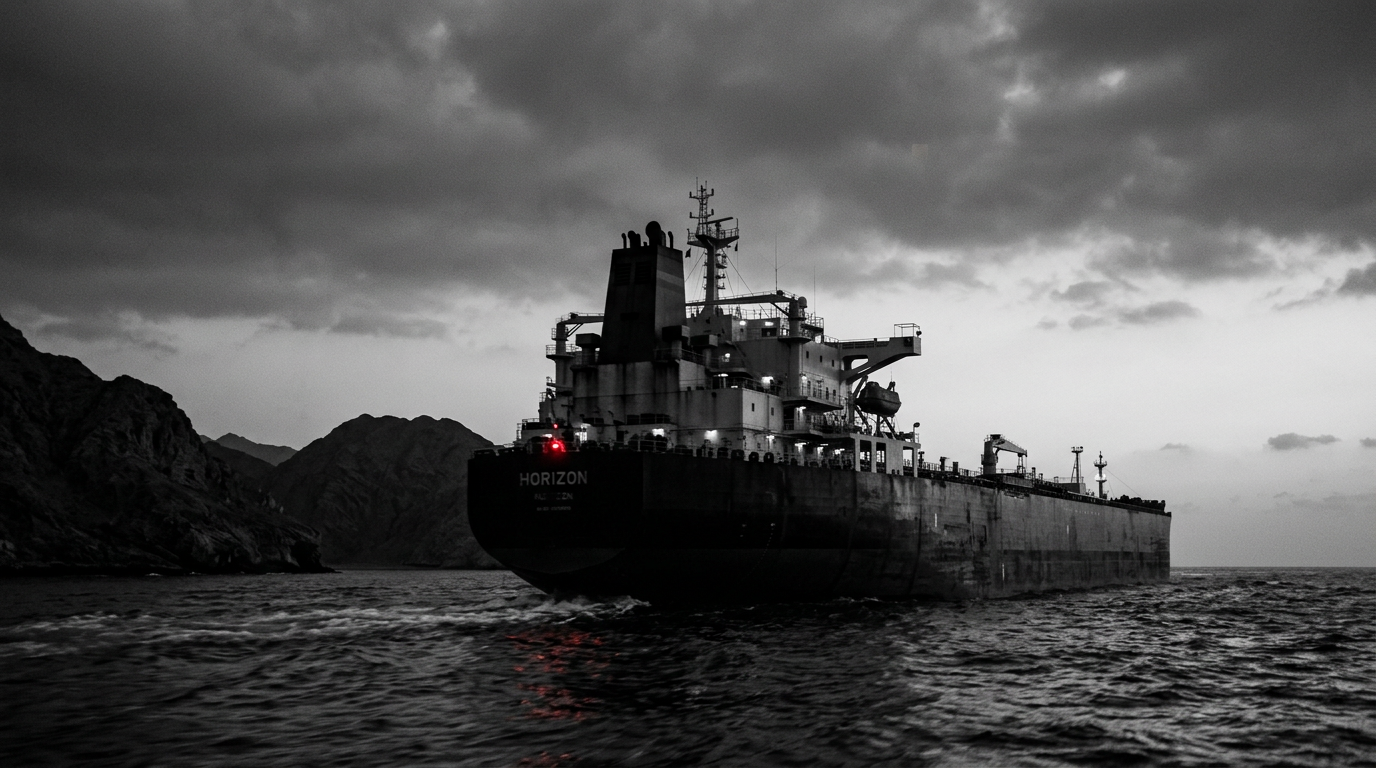
Strait of Hormuz Disruptions
Iran announced it would deliver a "faster, heavier and more painful response" to further attacks, according to Parliament Speaker Mohammad Bagher Ghalibaf, following reports of U.S. forces striking Iranian crude-oil tankers. This declaration, also places the critical Strait of Hormuz back into focus for global energy markets. The U.S. Central Command confirmed its forces struck three Iranian tankers after ballistic-missile attacks on two U.S. Navy ships, stating no American personnel were injured.
Reports indicate that Iran's Islamic Revolutionary Guard Corps (IRGC) claimed attacks on three U.S.-affiliated vessels and three oil tankers, which it stated were using an unauthorized route through Hormuz. These claims by the IRGC have not been independently verified. The heightened rhetoric follows a period of increasing tensions in the Middle East, a region vital for global energy supply.
Eurozone's Energy Vulnerability
The Eurozone, a major net importer of energy, remains highly susceptible to disruptions in global oil supplies and price volatility. Historical data from Eurostat shows the region imports over 60 percent of its energy needs, a dependency that amplifies the impact of Middle Eastern instability. Past energy price surges, such as those following geopolitical events, have directly translated into higher inflation and dampened economic growth across the 20-nation bloc. The European Central Bank (ECB) has consistently highlighted energy prices as a key determinant of the Harmonized Index of Consumer Prices (HICP), its primary inflation gauge.
The Strait of Hormuz, a narrow passage between the Persian Gulf and the Gulf of Oman, is a strategic chokepoint for approximately 20 percent of the world's total petroleum consumption. According to the U.S. Energy Information Administration, roughly 21 million barrels of crude oil and petroleum liquids transited the Strait daily in 2023. Any significant disruption to this route could lead to an immediate and substantial increase in global oil prices, impacting European consumers and industries through higher fuel costs and increased production expenses.
Inflationary Headwinds Emerge
A sustained increase in oil prices, triggered by intensified tensions around the Strait of Hormuz, would directly challenge the European Central Bank's ongoing efforts to bring inflation back to its 2 percent medium-term target. Eurostat data for April 2024 showed the Eurozone HICP at 2.4 percent, still above target despite a gradual deceleration. Higher crude prices would feed into producer prices and ultimately consumer prices, potentially forcing the ECB to reconsider its monetary policy trajectory. This could translate into a prolonged period of higher interest rates than currently anticipated by markets, affecting borrowing costs for businesses and households.
Hormuz Disruptions Iran
Rising energy costs would also put renewed pressure on corporate profits, particularly for energy-intensive industries, and reduce household purchasing power. The spread between German Bunds and Italian BTPs, a key measure of Eurozone sovereign risk, could widen as investors price in increased economic uncertainty and potential fiscal strains in member states. A more pessimistic economic outlook could also weaken the euro against major currencies, further exacerbating imported inflation.
Macroeconomic Policy Implications
Should oil prices escalate significantly, the ECB would face a difficult policy dilemma: address persistent inflation risks or support a slowing economy. While the ECB possesses tools such as outright monetary transactions (OMT) and the Transmission Protection Instrument (TPI) to address unwarranted market fragmentation, these are primarily designed to stabilize sovereign bond markets, not directly counter an exogenous energy shock. Policymakers would likely emphasize inflation control, potentially delaying rate cuts. This scenario would further compress economic growth, which stood at a modest 0.4 percent year-on-year in the first quarter of 2024, according to Eurostat. Increased shipping insurance premiums for vessels transiting the Gulf could also inflate trade costs, adding another layer of price pressure.
Assessing Forward Oil Movements
The primary open question is whether Brent crude oil prices stabilize or fall in the coming weeks, and if shipping through the Strait of Hormuz remains unimpeded. Any confirmation of significant disruptions to oil transit through the Strait, evidenced by escalating shipping insurance costs or reduced cargo flows, would likely prompt a re-evaluation of Eurozone economic forecasts. Statements from major oil producers like Saudi Arabia and the UAE regarding their capacity to offset potential supply losses will be closely watched. Conversely, a de-escalation of tensions and confirmation of uninterrupted transit would alleviate immediate inflationary concerns for the Eurozone.