Channel Smugglers Use 'Mega
Smugglers in the English Channel are deploying large 'mega-dinghies' to bypass enhanced security, leading to higher costs and increased risks for migrants.
Lauren Collins ·
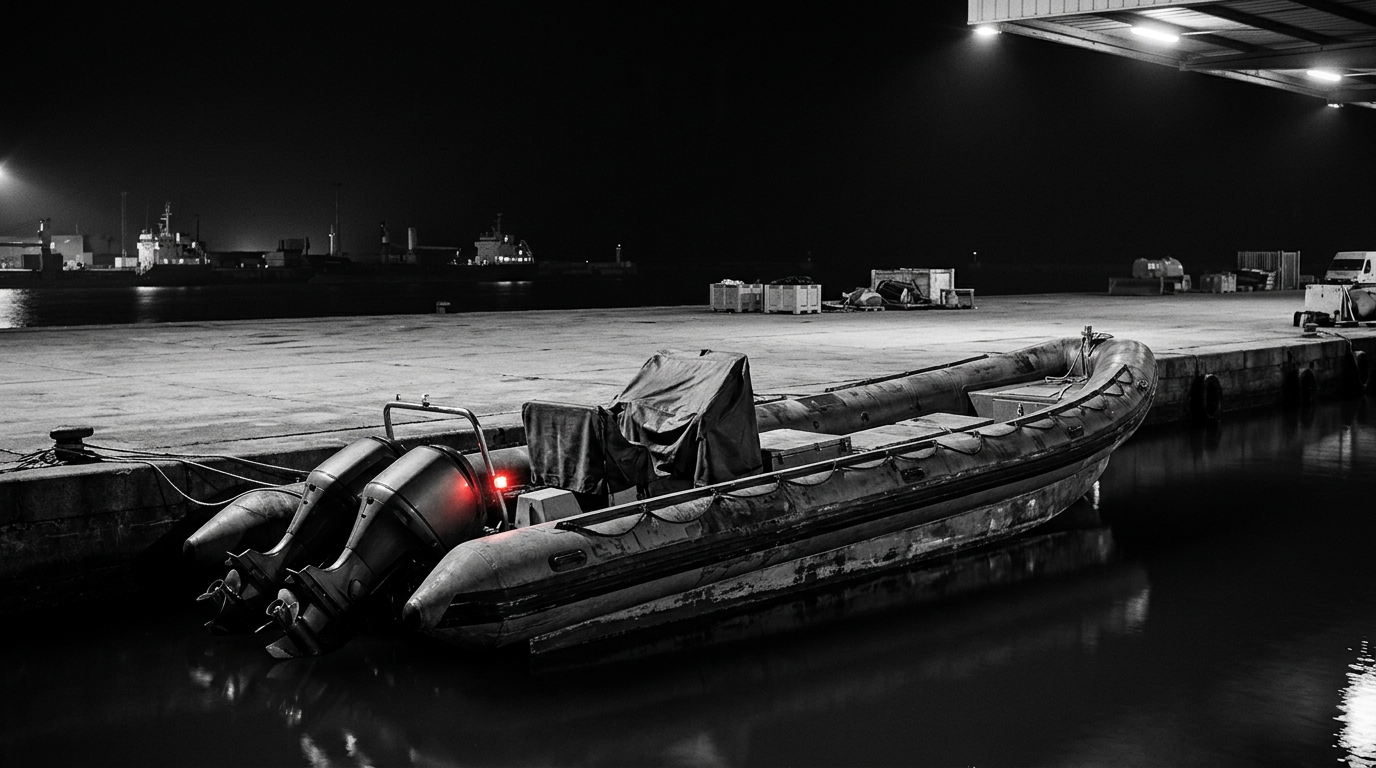
Criminal organizations facilitating illegal crossings across the English Channel have adapted their methods, now employing high-capacity vessels, often termed 'mega-dinghies.' This strategic change comes as maritime security efforts have intensified, leading to a notable reduction in small boat crossings.
Between January and September 2026, official reports indicated a 43 percent decrease in small boat arrivals. French authorities successfully intercepted two-thirds of all attempted crossings during this period. This enhanced interdiction success has prompted smuggling networks to shift towards larger vessels, partly due to a scarcity of standard inflatable boats and a greater need for collaboration among previously competing groups to pool resources.
New Smuggling Tactics Emerge
The introduction of larger vessels, some measuring up to 15 meters and capable of carrying over 200 passengers, reflects the syndicates' efforts to maintain their operational capacity despite increased law enforcement presence. This consolidation has also driven up the cost for individuals seeking passage. Transit fees have risen significantly, reaching approximately 2,000 euros per person, compared to 1,300 euros in the preceding year.
These larger craft present complex logistical difficulties and heightened dangers for all involved. The operational model frequently involves 'taxi boats' departing from more distant locations, including Belgium, to evade detection in French coastal areas. Once in the Channel, these vessels often collect multiple groups of individuals before proceeding towards UK waters, further complicating maritime patrols and rescue operations.
Escalating Risks and International Cooperation
The increased passenger density on these mega-dinghies dramatically heightens safety concerns. Reports show that the average occupancy per boat has more than doubled since 2021, creating dangerously overcrowded conditions. This reliance on larger, often unsuitable, vessels is a significant worry for maritime emergency services operating in the Channel, posing substantial risks of capsizing or other nautical incidents.
Officials from both the United Kingdom and France continue to coordinate efforts to strengthen coastal enforcement and address the evolving tactics of these smuggling networks. The adaptability displayed by these criminal organizations, evidenced by their shift to mega-dinghies, underscores the persistent challenge faced by authorities in securing maritime borders and ensuring human safety. This development highlights the ongoing struggle against irregular migration and the continuous evolution of methods employed by criminal groups in response to increased international surveillance and interdiction measures.