Mojtaba Khamenei Assumes Iran's Supreme Leadership
Mojtaba Khamenei has become Iran's new Supreme Leader, succeeding his father, Ali Khamenei, amid IRGC influence and regional uncertainty.
Lauren Collins ·
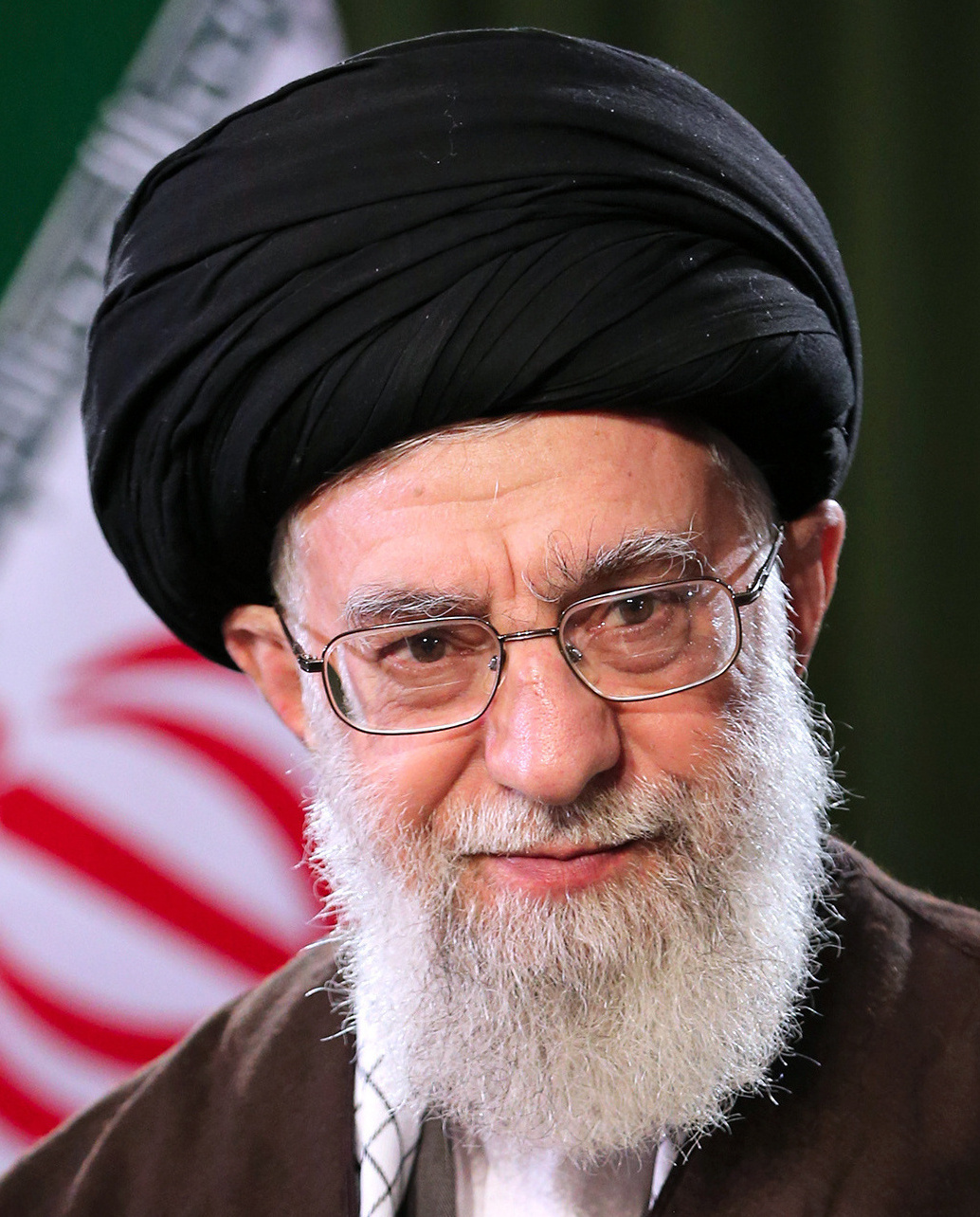
Mojtaba Khamenei has been appointed as the new Supreme Leader of Iran, succeeding his father, Ali Khamenei. This transition, which occurred recently in Tehran, marks a significant shift in the country's political landscape. The appointment has generated considerable discussion regarding its implications for both domestic governance and regional stability, particularly given Khamenei's limited public exposure prior to this role.
Succession Dynamics and Internal Influence
The succession process reportedly involved substantial pressure from the Islamic Revolutionary Guard Corps (IRGC) to ensure Mojtaba Khamenei's elevation. This influence was critical in overcoming internal reservations concerning his relative lack of public experience and religious credentials. The hereditary nature of this transfer of power also presents a notable departure from the foundational principles often associated with the Islamic Republic.
Background and Predecessor's Legacy
Ali Khamenei, the former Supreme Leader, significantly expanded the office's authority during his tenure. He transformed the role from a primarily supervisory position into a central driver of government policy. Under his leadership, the IRGC's economic footprint grew substantially, extending into various sectors of the Iranian economy. This established a precedent for the intertwining of military and economic power within the state structure.
Uncertainty in Policy Direction
Mojtaba Khamenei's public profile has historically been low, leading to considerable speculation about his future policy orientations. International observers and many Iranians have limited insight into his specific stances on critical domestic issues or foreign policy. His approach to internal power dynamics, particularly concerning the IRGC and other factions, will be closely scrutinized.
Regional and International Implications
The new leadership introduces an element of unpredictability into the Middle East's geopolitical environment. Key questions revolve around Iran's future foreign policy, especially its relationship with the United States and its regional adversaries. The transition follows a period of heightened regional tensions, including a recent Israeli airstrike on February 28 that resulted in the deaths of several of Khamenei's family members, adding a personal dimension to the geopolitical context.
Outlook for Iranian Governance
Analysts suggest that the IRGC's prominent role in facilitating this succession could indicate a further consolidation of the security state's influence over Iranian governance. This development may lead to a more centralized and security-focused approach to both internal and external affairs. The long-term stability of this leadership structure and its impact on Iran's political and economic trajectory remain key areas of focus for global stakeholders.
Implications
Country Impact: The succession introduces uncertainty into Iran's domestic policy, potentially strengthening the IRGC's role in governance. This could lead to a more centralized and security-oriented state apparatus, impacting internal political dynamics and economic structures.
Industry Impact: The increased influence of the IRGC could further entrench its economic interests across various sectors, potentially affecting foreign investment and the operational environment for private businesses within Iran. This might lead to a more state-controlled economic landscape.
Market Impact: Global markets may react to perceived shifts in Iran's foreign policy, particularly concerning oil supply and regional stability. Increased geopolitical uncertainty could lead to volatility in energy prices and impact investor confidence in the broader Middle East.