Mojtaba Khamenei Named Iran's New Supreme Leader
Mojtaba Khamenei was appointed Iran's new Supreme Leader on March 9, 2026, following his father's death, amid airstrikes and an internet blackout.
Lauren Collins ·
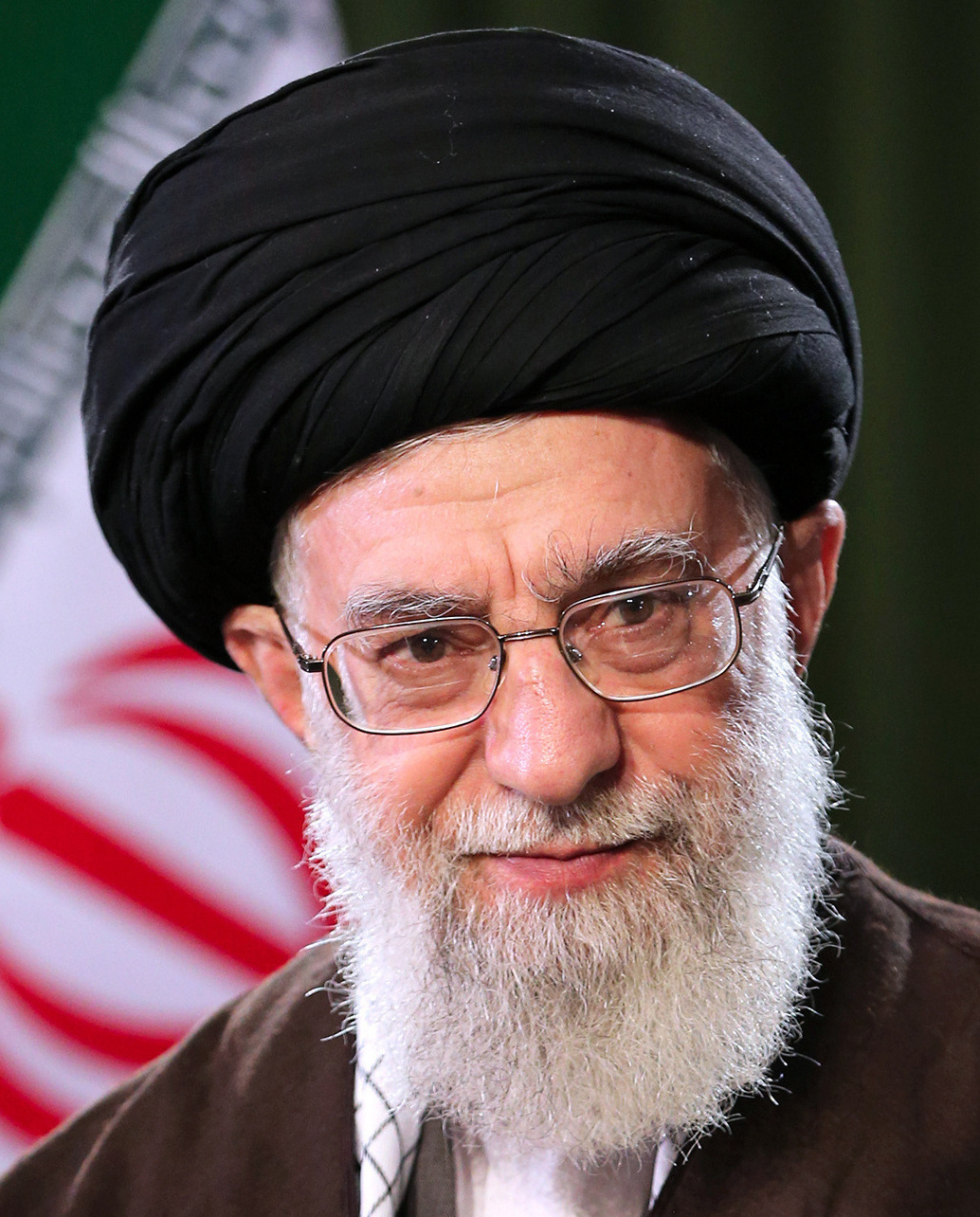
Ayatollah Mojtaba Khamenei has been formally appointed as Iran's new Supreme Leader, state media confirmed on March 9, 2026. This succession follows the death of his father, Ayatollah Ali Khamenei, who reportedly died on February 28. The transition of power occurred amid significant internal and external tensions, including ongoing airstrikes in the capital, Tehran, and a widespread internet blackout across the country.
Public demonstrations of support for the new leader were reported in Tehran's Enghelab Square and other major cities. State media broadcast images of large gatherings where participants chanted anti-Western and anti-Israeli slogans. The appointment marks a pivotal moment for Iran's political landscape, with implications for both domestic policy and international relations.
Succession Amidst Geopolitical Tensions
The leadership change comes after a period of heightened regional instability. The elder Khamenei, who had governed Iran for 37 years, reportedly died in a joint operation attributed to the United States and Israel. This alleged strike also reportedly resulted in the deaths of Mojtaba Khamenei's wife and son, adding a personal dimension to the geopolitical backdrop of his ascension.
Mojtaba Khamenei, 56, is widely characterized as a hardliner within the Iranian political establishment. He maintains strong connections with the Islamic Revolutionary Guard Corps (IRGC), a powerful military and economic entity in Iran. His close ties to this influential organization suggest a potential continuation or intensification of current domestic and foreign policies.
Domestic and International Implications
Concerns have been raised by various observers regarding the potential direction of Iran under the new leadership. Critics suggest that Mojtaba Khamenei's tenure could usher in an era of increased internal repression and a more security-focused governance approach. This perspective is reinforced by his hardline reputation and strong ties to the IRGC.
In a related development, Iran's prosecutor general has issued warnings to Iranian citizens residing abroad, cautioning against any cooperation with the United States or Israel. This directive underscores the regime's stance on perceived external threats and its efforts to maintain control over its diaspora. Pro-government media channels have actively disseminated visuals portraying a smooth and legitimate transfer of authority, aiming to solidify public perception of the new leadership.
Conversely, some activist groups within Iran and abroad view this succession as a move towards a more dynastic form of rule, drawing parallels to monarchical systems. This interpretation highlights internal divisions and differing perspectives on the legitimacy and future trajectory of the Islamic Republic. The coming months will likely reveal the extent of these shifts and their impact on Iran's domestic stability and its standing on the global stage.
Implications
Country Impact: The appointment of Mojtaba Khamenei could lead to a more security-driven domestic policy and increased repression within Iran, according to critics. The government's warnings to Iranians abroad signal a tightening of control and a firm stance against perceived foreign influence.
Industry Impact: Industries with ties to the Iranian market, particularly those in energy and defense, may face increased uncertainty due to potential shifts in foreign policy and international sanctions. The IRGC's influence could expand, impacting various sectors of the Iranian economy.
Market Impact: Global markets, especially oil and gas, could experience volatility due to heightened geopolitical tensions in the Middle East. Investor confidence in the region may decline, affecting foreign direct investment and potentially leading to capital outflows from emerging markets linked to the area.