Europe Boosts Cyprus Defense After Drone Incident
European leaders affirmed commitment to Cyprus's security after a drone incident, deploying military assets to the Eastern Mediterranean.
Lauren Collins ·
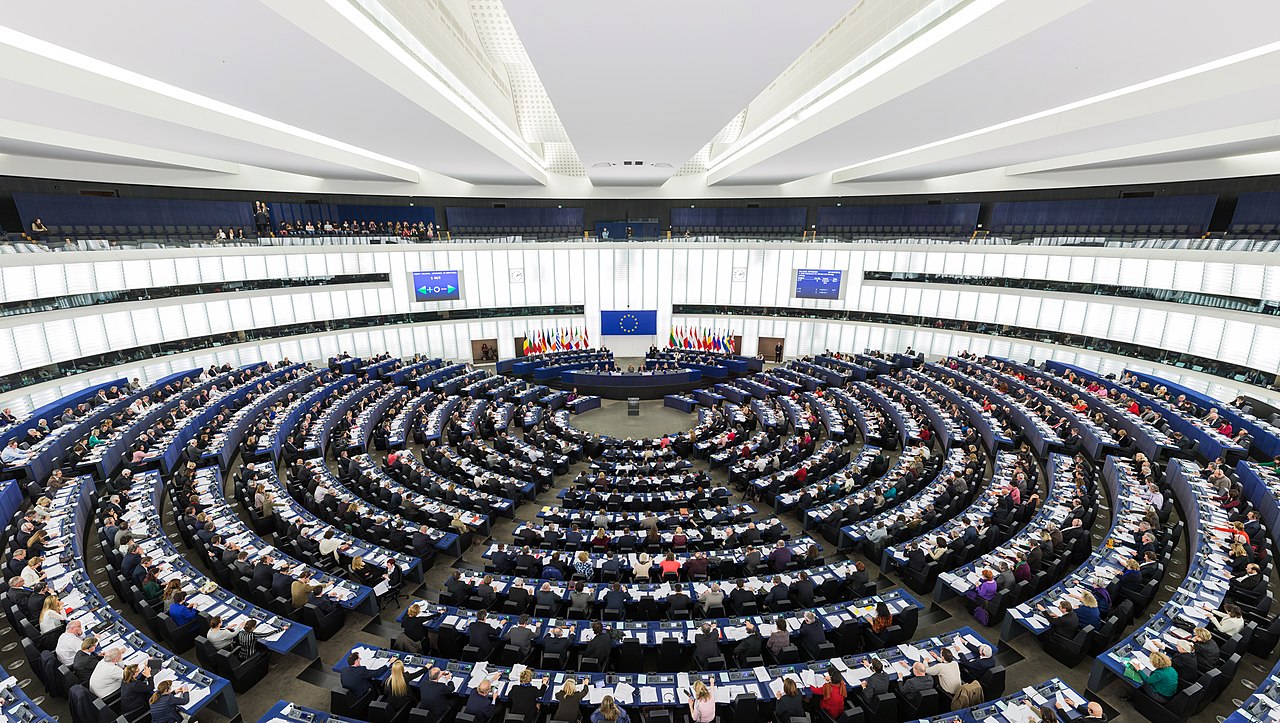
European leaders have reinforced their commitment to Cyprus's security following a drone incident near a British military base on the island. French President Emmanuel Macron and Greek Prime Minister Kyriakos Mitsotakis were among those who underscored the collective defense principle, with Macron stating that an assault on Cyprus would be considered an assault on Europe itself.
This declaration on Monday, October 28, follows reports of a Shahed drone crashing at RAF Akrotiri and the interception of two Iranian-made combat drones originating from Lebanon, approximately 150 miles east of Cyprus.
Several European Union member states are deploying military assets to the Eastern Mediterranean. France has dispatched air defense systems, a frigate, and the aircraft carrier Charles de Gaulle. Greece has contributed four F-16 fighter jets and two frigates to the regional security efforts.
Other nations, including Italy, Spain, the Netherlands, and the United Kingdom, are also contributing naval vessels and air assets. The United Kingdom, which maintains military installations on Cyprus, has deployed Royal Navy Wildcat helicopters and F-35 fighter jets to enhance its defensive posture.
This coordinated European response aims to establish a protective cordon around Cyprus, a strategic island nation in the Eastern Mediterranean. The increased military presence underscores the region's heightened geopolitical tensions and the importance placed on safeguarding European interests and international shipping lanes.
In a related development, President Macron also outlined plans for a "purely defensive, purely support mission" focused on the Strait of Hormuz. This critical maritime chokepoint facilitates the passage of approximately 20 million barrels of oil daily, representing a significant portion of global seaborne crude supply. The mission is intended to secure international trade and energy flows once the most intense phase of current regional conflicts subsides.
Regional Security Enhancements
The deployment of military resources by multiple European nations highlights a concerted effort to deter further aggression and stabilize the Eastern Mediterranean. The incident involving drones near a British base has prompted a swift and unified response, emphasizing the strategic value of Cyprus to European security.
Strategic Maritime Chokepoints
The proposed mission for the Strait of Hormuz reflects broader concerns about the security of global energy supplies and trade routes. The strait's importance as a conduit for oil shipments makes its stability a priority for international powers, particularly in times of regional unrest.
European Collective Defense
The statements from European leaders reiterate the principle of collective defense, suggesting that an attack on one member's strategic interests or territory could trigger a broader European response. This reinforces the mutual defense clauses within European treaties and alliances.
Implications
Country Impact: Cyprus's strategic importance in the Eastern Mediterranean is underscored by the rapid European military response, potentially enhancing its security posture and diplomatic leverage in the region. The increased military presence could also impact its relations with neighboring states.
Industry Impact: The focus on securing the Strait of Hormuz highlights the vulnerability of global energy supply chains to regional conflicts. This could lead to increased insurance premiums for shipping and potential volatility in oil markets, affecting energy-dependent industries worldwide.
Market Impact: Increased geopolitical tensions in the Eastern Mediterranean and the Persian Gulf could introduce uncertainty into global financial markets. Energy prices, particularly crude oil, may experience upward pressure, while defense sector stocks could see increased interest due to heightened security spending.