Iranians celebrate Persian New Year in first wartime Nowruz in decades
Iranians observed Nowruz on March 20, 2026, amidst ongoing US and Israeli aerial bombardments, marking the first wartime New Year in decades.
Lauren Collins ·
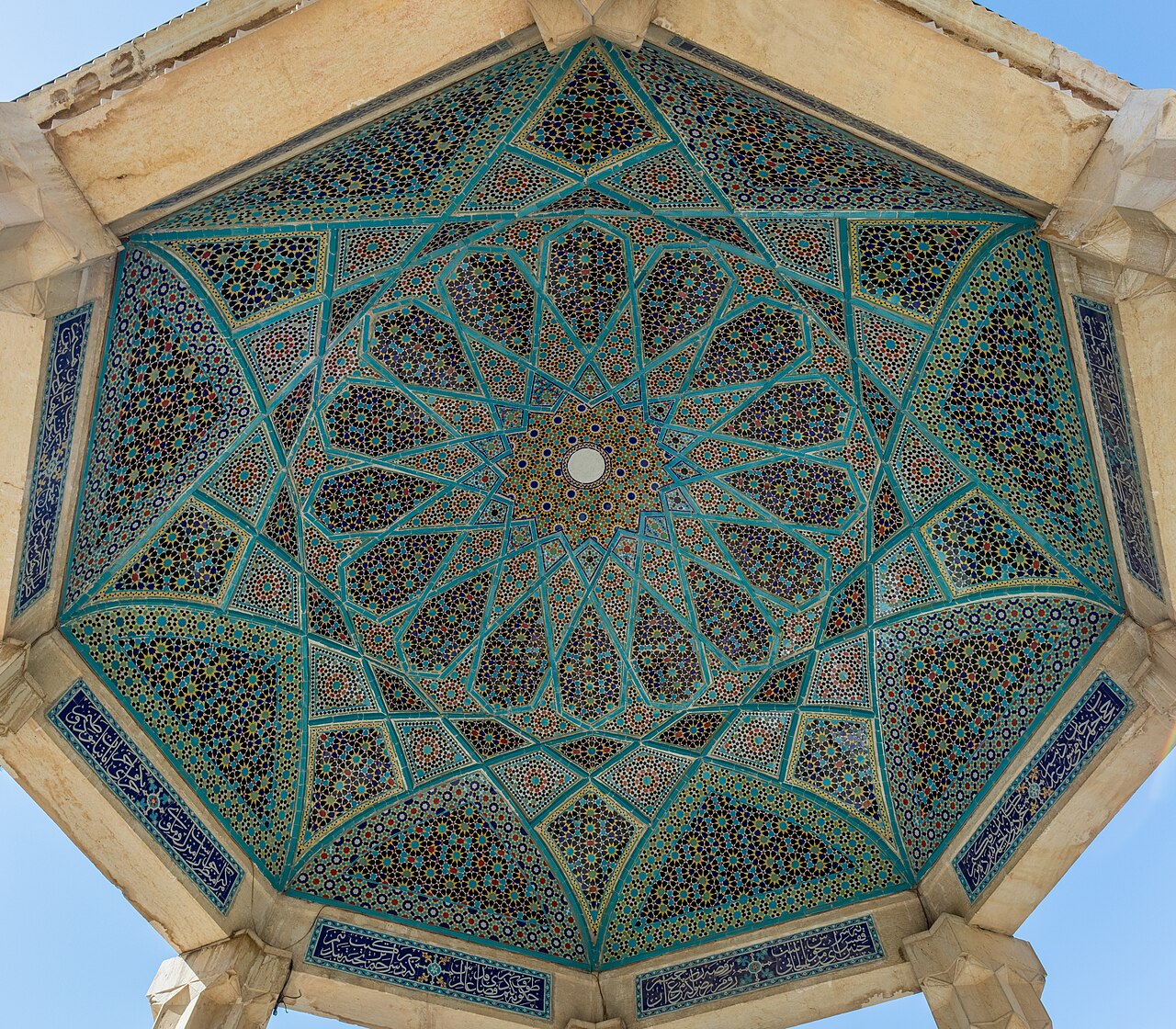
Iranians observed Nowruz, the Persian New Year, on Friday, March 20, 2026, across the nation, marking the occasion under wartime conditions for the first time in decades. The traditional spring equinox, which signals the start of the new year, occurred at 18:15:59 local time. This year's celebrations unfolded amidst a backdrop of intermittent aerial bombardments from United States and Israeli forces, which have been ongoing for nearly three weeks.
Wartime Observance and Public Sentiment
Despite the prevailing conflict, residents in Tehran and other cities engaged in customary Nowruz activities. Many were seen purchasing flowers and exchanging greetings, reflecting a desire to maintain cultural traditions. Some observers noted that city streets appeared more crowded compared to the initial days of the conflict, suggesting a partial return of individuals who had previously sought refuge outside urban centers.
Government Response and Essential Services
The Iranian government has affirmed the stability of essential services throughout the conflict. Authorities reported no fuel shortages, even following earlier attacks on oil depots. Furthermore, healthcare facilities are said to be maintaining adequate blood supplies through consistent public donations, ensuring continued medical support for the population.
Digital Isolation and Connectivity Challenges
A significant development accompanying the conflict has been a near-total internet shutdown affecting over 92 million Iranians for the past 21 days. This measure has drastically reduced internet access to less than 1% of its previous capacity, severely limiting communication and information flow. The disruption has also led to the emergence of an illicit market for global internet access, as citizens seek alternative ways to connect.
Historical Context of Nowruz During Conflict
The current observance marks a notable historical parallel, as it is the first time since the 1980s Iran-Iraq War that Nowruz has been celebrated under such direct military pressure. During that earlier conflict, national holidays were often observed with a mix of traditional customs and heightened security, a pattern that appears to be repeating in the current environment.
The firing of air defense batteries in Tehran shortly after the new year moment, interpreted by some as a celebratory act, underscores the unusual circumstances.
Regional Geopolitical Implications
The ongoing military actions by the United States and Israel against Iran represent a significant escalation in regional tensions. These strikes, which began approximately three weeks prior to Nowruz, have introduced a new layer of instability to the Middle East. The targeting of infrastructure and military assets has broad implications for global energy markets and international diplomacy, particularly concerning the Strait of Hormuz, a critical shipping lane for oil.
Economic and Social Ramifications
The internet shutdown, while ostensibly a security measure, carries substantial economic and social costs. Businesses reliant on digital communication face severe operational challenges, and citizens are cut off from international news and personal connections. This digital isolation could exacerbate existing economic pressures and contribute to social unrest, even as the government attempts to project an image of normalcy and stability.
Implications
Country Impact: Iran faces significant internal challenges, including maintaining essential services and managing public sentiment amidst conflict. The internet shutdown further isolates the population, potentially fueling discontent and hindering economic activity.
Industry Impact: The energy sector, particularly oil infrastructure, remains a key target, impacting global supply chains and pricing. Telecommunications and digital services are severely disrupted, forcing businesses and individuals to adapt to limited connectivity.
Market Impact: Global energy markets are likely to experience volatility due to ongoing attacks on Iranian oil facilities. The broader geopolitical instability could deter foreign investment in the region and impact international trade routes.