US Threatens Iran Over Gas Field Attacks
The US has threatened Iran over attacks on Qatari energy facilities, escalating tensions around the critical South Pars gas field.
Lauren Collins ·
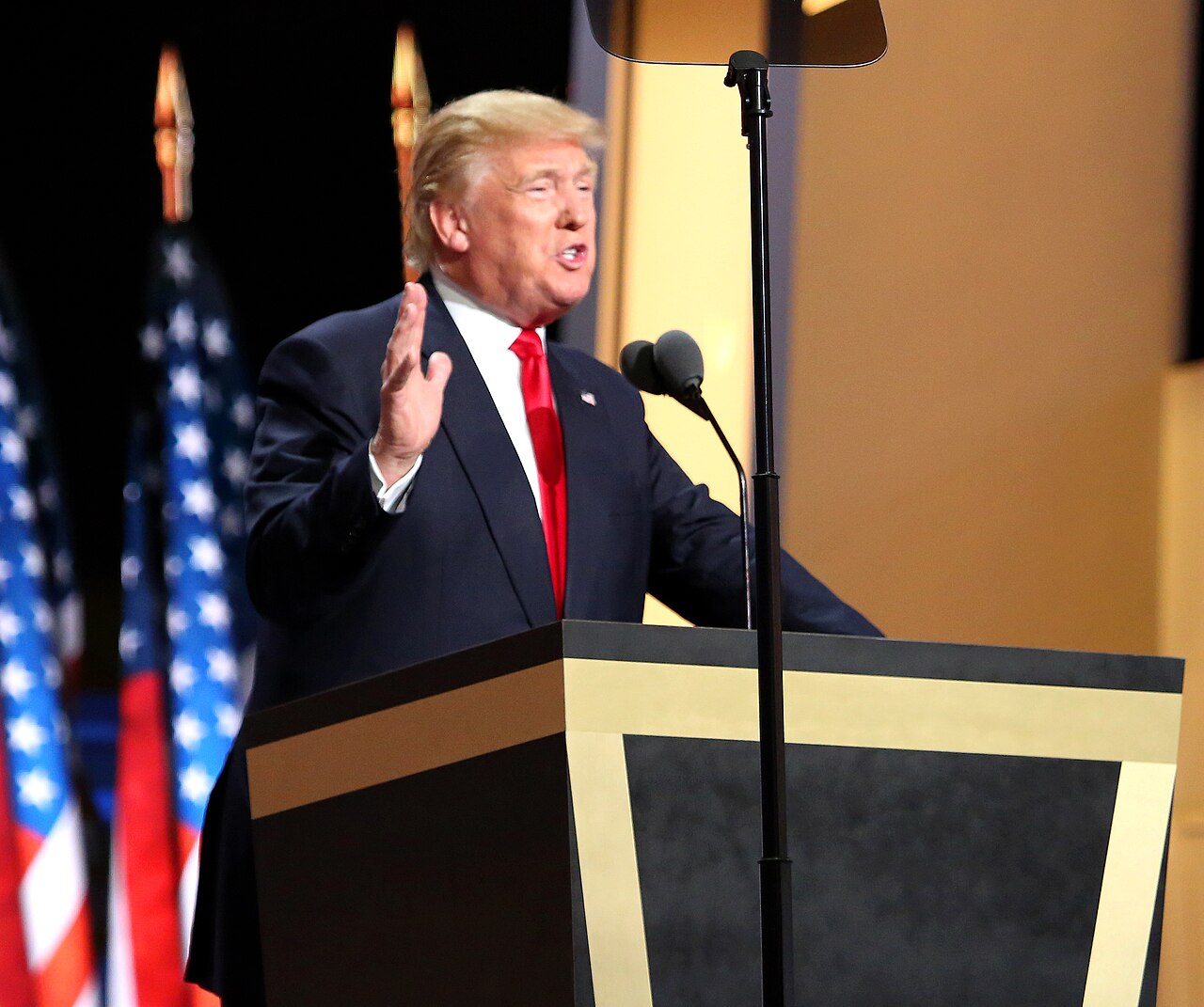
The United States has issued a direct threat to Iran, stating it would target the South Pars gas field if Iranian forces continue attacks on Qatari energy infrastructure. This warning, delivered by former U.S. President Donald Trump on Wednesday, follows a series of escalating military actions in the Persian Gulf region. The South Pars field, a critical shared natural gas reservoir between Iran and Qatar, has become a focal point in the recent hostilities.
This development comes after an Israeli strike reportedly hit the Iranian section of the South Pars field. This incident marked a significant escalation, as it represented the first direct targeting of Iran's fossil fuel production capabilities in the ongoing regional conflict. In retaliation, Iran launched attacks against Qatar's liquefied natural gas (LNG) facilities, specifically causing damage at the Ras Laffan hub, according to reports from QatarEnergy.
Regional Escalation and Energy Security
The sequence of events has significantly heightened anxieties regarding global energy supplies and regional stability. The Strait of Hormuz, a vital maritime chokepoint for a substantial portion of the world's oil and gas shipments, has experienced disruptions, further exacerbating concerns about supply chain integrity. This strategic waterway's status is critical for international trade and energy security.
International markets have reacted to the increased geopolitical risk. Brent crude oil prices saw an immediate increase, reflecting fears of potential supply disruptions. Major Asian stock markets, including Japan's Nikkei 225, also registered declines, indicating broader investor apprehension.
International Calls for De-escalation
Amidst the rising tensions, international leaders have called for restraint. French President Emmanuel Macron specifically urged for a moratorium on strikes targeting civilian infrastructure, underscoring the humanitarian and economic risks associated with such actions. The focus remains on preventing further escalation that could destabilize the broader Middle East.
The South Pars/North Dome field is the world's largest natural gas field, holding an estimated 51 trillion cubic meters of in-situ natural gas and 50 billion barrels of natural gas condensates. Its strategic importance to both Iran and Qatar, and by extension to global energy markets, makes any threat to its operations a matter of international concern.
The current situation highlights the intricate link between geopolitical tensions and global economic stability, particularly within the energy sector.
Implications
Country Impact: The direct threat from the U.S. to Iran, coupled with Israeli and Iranian strikes, significantly escalates regional tensions. This could lead to further retaliatory actions, impacting the political stability of Gulf nations and potentially drawing in other international actors.
Industry Impact: The energy sector faces immediate and severe implications, with potential disruptions to oil and gas production and shipping routes, particularly through the Strait of Hormuz. This could lead to sustained higher energy prices and increased operational risks for companies in the region.
Market Impact: Global financial markets are reacting with increased volatility, as evidenced by rising oil prices and declining stock indices. Continued instability could trigger broader risk-off sentiment, impacting investment flows and economic growth forecasts worldwide.