Oil waivers risk sustaining Russia’s war effort amid the Iran war
The US Treasury eased Russian oil sanctions until April 11, allowing purchases to mitigate market disruptions amid Middle East conflict.
Lauren Collins ·
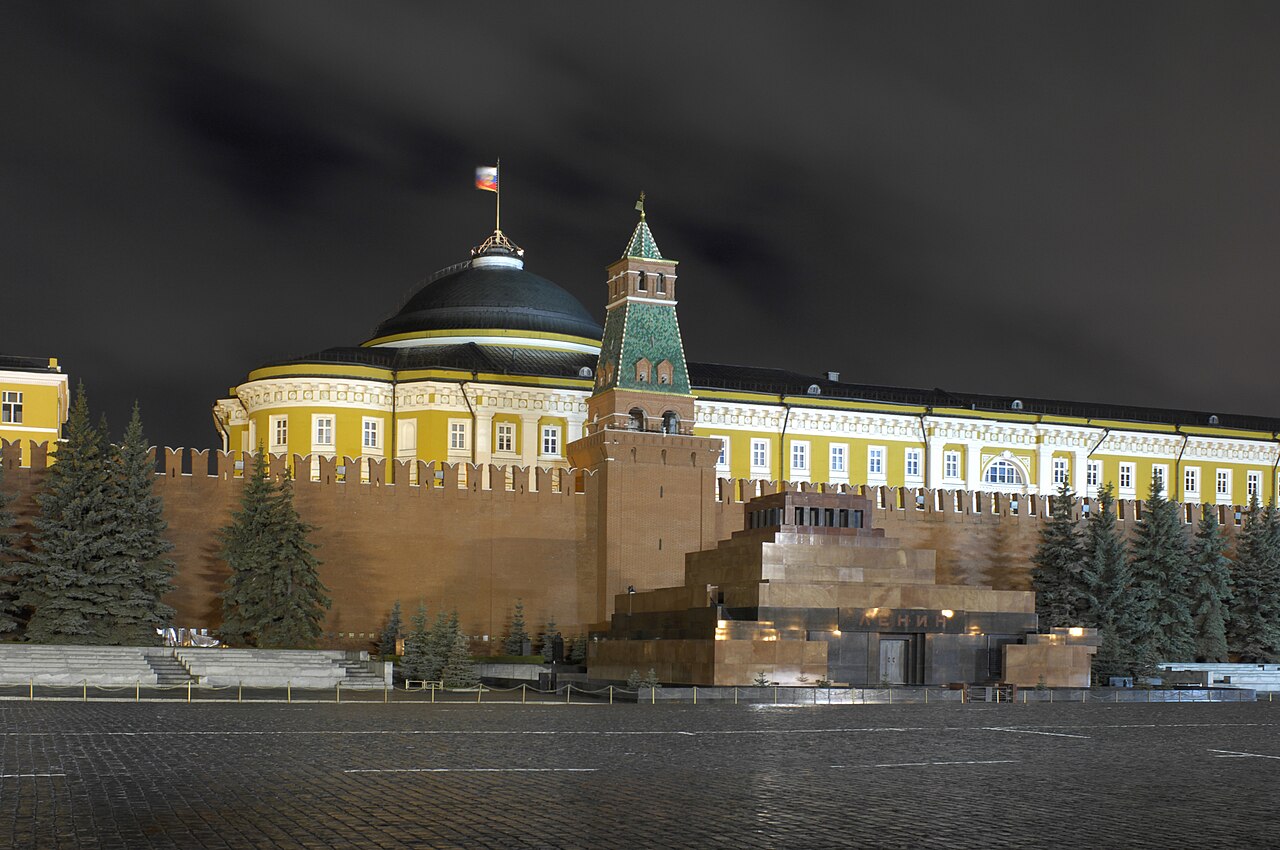
The United States Treasury Department recently implemented a temporary relaxation of sanctions on Russian crude oil. This measure, announced on March 12, permits the acquisition and transport of Russian oil loaded onto vessels by that date, with a deadline for delivery set for April 11. Treasury Secretary Scott Bessent characterized this action as a "narrowly tailored" and "short-term" adjustment.
This decision aims to alleviate potential market instability stemming from ongoing geopolitical tensions in the Middle East. The move follows a similar waiver granted to India on March 5 for comparable oil purchases. The policy adjustment facilitates the continued flow of Russian oil into international markets.
Context of Russian Energy Revenues
Recent data from the International Energy Agency (IEA) highlighted a substantial decline in Russia's energy income. January oil and gas revenues were halved year-on-year, totaling 393.3 billion rubles. February revenues reached their lowest point since the full-scale invasion of Ukraine, underscoring the impact of previous sanctions.
Economic Implications and Market Response
Broader Geopolitical Considerations
This temporary waiver underscores the delicate balance global powers attempt to strike between maintaining economic stability and enforcing sanctions against geopolitical adversaries. The short-term nature of the waiver suggests a cautious approach to managing energy markets while navigating international conflicts.
Implications
Country Impact: The United States' temporary waiver on Russian oil sanctions reflects a strategic decision to mitigate global market disruptions, potentially influencing its diplomatic standing with allies and adversaries. For Russia, this could offer a short-term financial reprieve, impacting its capacity to sustain ongoing military operations.
Industry Impact: The global energy sector faces continued volatility, with the waiver potentially stabilizing oil supply in the short term but introducing uncertainty regarding long-term sanction enforcement. Oil and gas companies may adjust trading strategies in response to fluctuating regulatory environments and price movements.
Market Impact: Global crude oil markets could experience price stabilization or further increases, depending on the interplay of supply, demand, and geopolitical events. Equity markets may react to energy sector performance, while bond markets could reflect changing risk perceptions related to geopolitical stability and inflation.