IMF Slashes 2026 Global Growth Outlook to 3.1%
IMF cuts 2026 global growth forecast to 3.1% on April 17, 2026, citing Strait of Hormuz disruption and Gulf energy damage.
Atlas Newsdesk ·
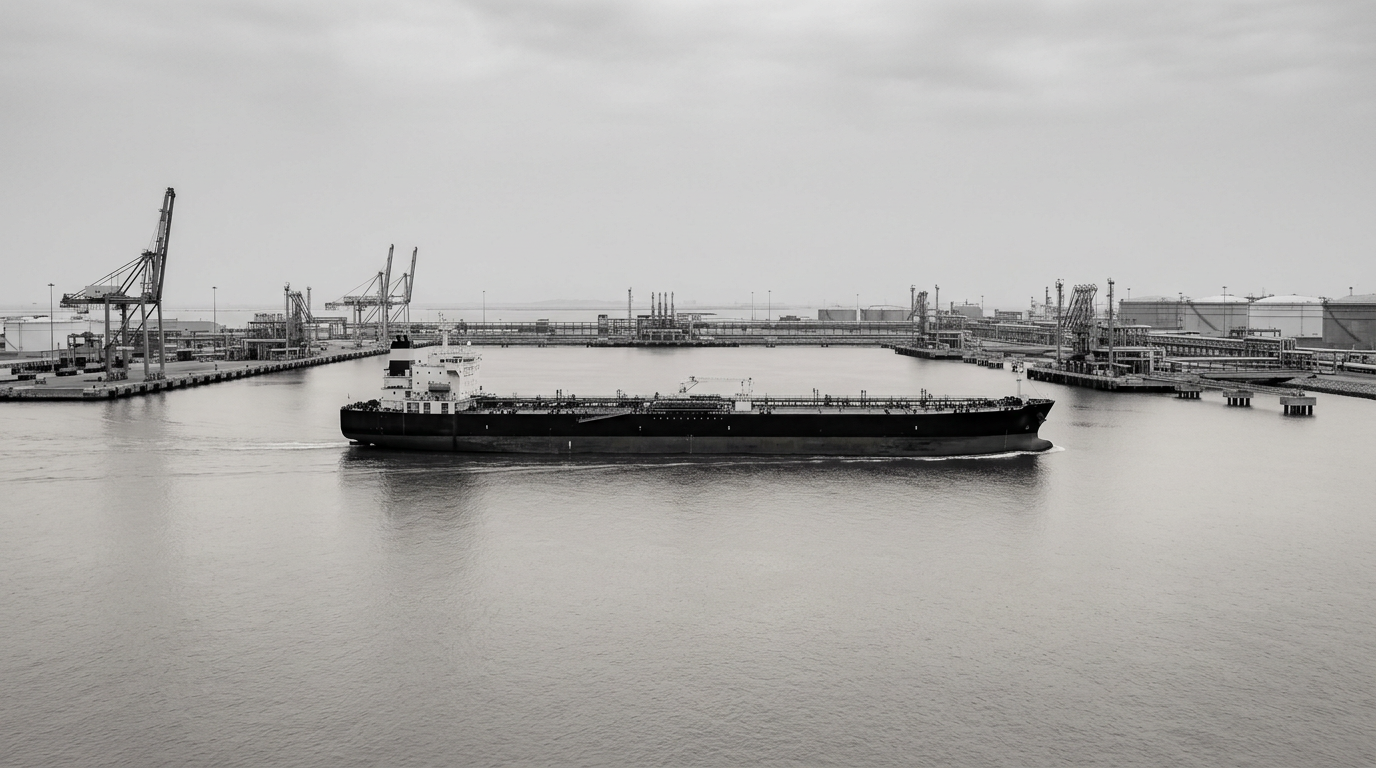
The International Monetary Fund (IMF) on April 17, 2026, lowered its projection for global economic growth in 2026, cutting the forecast to 3.1 percent from 3.3 percent. The IMF linked the downgrade to the economic fallout from the United States-Israeli conflict on Iran and the resulting shutdown of the Strait of Hormuz, which officials said has disrupted energy supplies and key trade routes.
The IMF said the conflict has damaged energy infrastructure in the Gulf region, contributing to major interruptions in exports of commodities including oil, gas, chemicals, and fertilizer. According to the IMF, these flows remain largely stranded because Iran has closed the Strait of Hormuz and the United States has imposed a naval blockade of Iranian ports, tightening constraints on shipping and logistics tied to the region.
In its downside scenario, the IMF said a prolonged conflict could push global growth down further to 2.5 percent in 2026. The IMF added that low-income and developing economies would be hit hardest in that scenario, citing escalating commodity and energy prices as the main channel of pressure on those countries.
While the IMF described a broader macroeconomic slowdown, the source material also points to areas of strength tied to market volatility and rising security demand. Wall Street investment banks reported sharp profit gains in the first quarter of 2026, with results attributed to heavier trading activity and increased client engagement during turbulent markets.
Morgan Stanley reported profit up 29 percent year-on-year to $5.57 billion, Goldman Sachs posted a 19 percent increase to $5.63 billion, and JPMorgan Chase said earnings rose 13 percent to $16.49 billion. The figures underscore how some financial firms can benefit from higher transaction volumes when investors reposition portfolios in response to geopolitical shocks and fast-moving price swings.
Defense-linked assets also outperformed over the same period cited in the source. By the end of March, the MSCI World Aerospace and Defence Index showed net returns of 32 percent year-on-year, exceeding the broader MSCI World Index return of 18.9 percent, reflecting stronger relative performance for companies tied to aerospace and defense demand.
What remains uncertain in the IMF’s framing is how long the Strait of Hormuz disruption persists and how quickly damaged Gulf energy infrastructure can be restored, as the IMF’s projections explicitly vary under a prolonged-conflict scenario.
The IMF’s updated forecast and scenario analysis place energy supply constraints and trade-route disruption at the center of the near-term global outlook, while highlighting uneven sector outcomes across finance and defense versus more energy-sensitive parts of the world economy.