Oil prices fall on Middle East de-escalation hopes
Oil prices fell April 17, 2026 as ceasefire and possible U.S.-Iran talks eased risk, despite a seven-week Strait of Hormuz closure.
Atlas Newsdesk ·
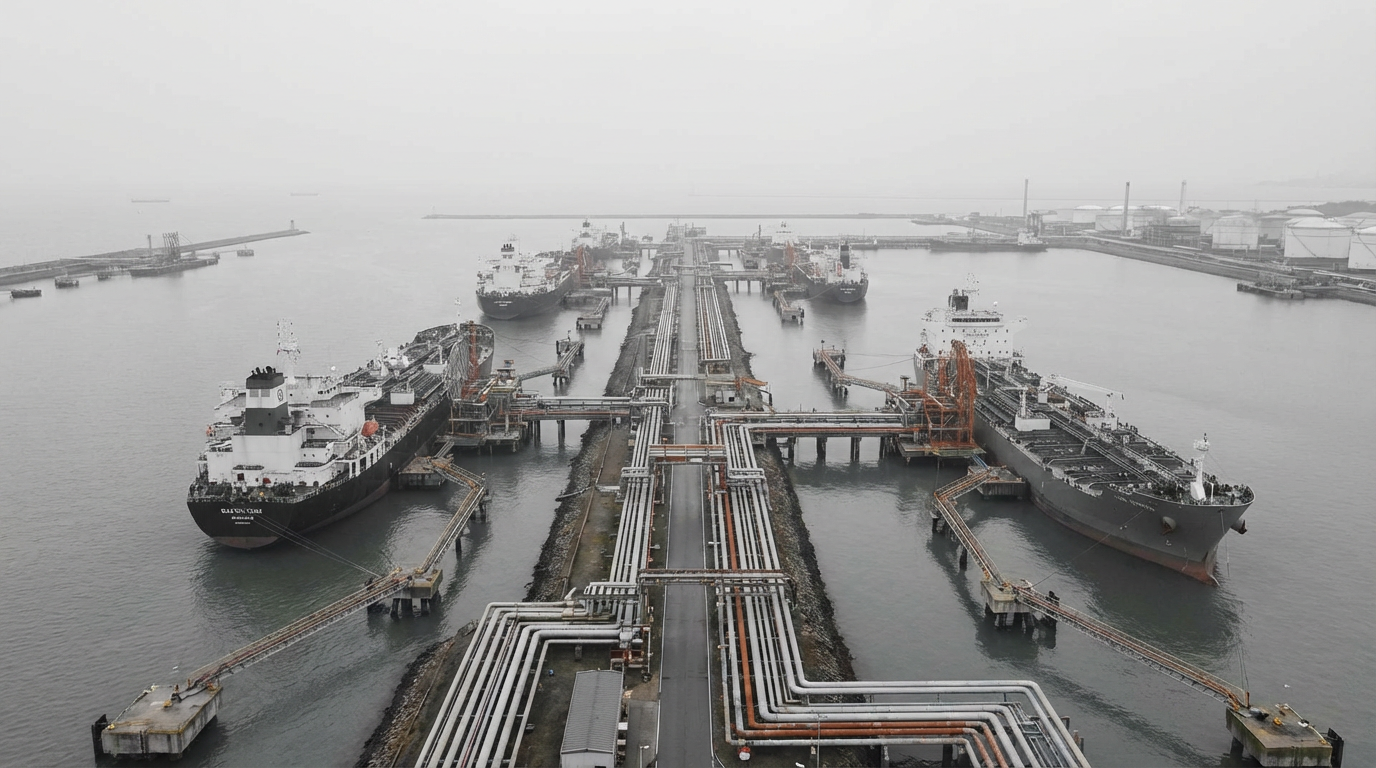
Oil prices moved lower in early trading on Friday, April 17, 2026, as traders weighed signs of possible de-escalation in the Middle East alongside expectations of renewed supply flows.
Brent crude futures dropped by $1.34, or 1.35%, to $98.05 per barrel. U.S. West Texas Intermediate (WTI) crude futures fell by $1.65, or 1.74%, to $93.40 per barrel, according to the figures cited in the market update.
The pullback followed developments tied to the regional conflict. A 10-day ceasefire between Lebanon and Israel has recently taken effect, easing immediate concerns about further escalation, the report said.
In parallel, U.S. President Donald Trump said the United States and Iran could hold talks over the weekend. Trump said Iran has offered to refrain from possessing nuclear weapons for over 20 years, a point described as central to negotiations aimed at ending the conflict affecting the Strait of Hormuz.
The Strait of Hormuz has been closed for seven weeks, disrupting a major artery for global energy shipments. ING analysts estimated the disruption at about one-fifth of the world’s oil supply, or roughly 13 million barrels per day, underscoring why the waterway has remained a key driver of price volatility.
Prices had climbed sharply earlier in the year, with the report noting a 50% surge in March. More recently, crude has steadied within the $90 range, suggesting markets have been balancing geopolitical risk with shifting expectations around supply and diplomacy.
Officials involved in the process were described as concentrating on a temporary memorandum designed to prevent further conflict, rather than pursuing a comprehensive peace agreement. That distinction matters for markets because it frames the near-term focus on reducing immediate risks to shipping and supply, without resolving broader disputes.
For global markets, the latest price move highlights how quickly risk premiums can adjust when headlines point toward talks or a pause in fighting. At the same time, the situation remains uncertain because the Strait of Hormuz closure has already lasted seven weeks, and the report did not indicate when normal transit might resume.