Iran warns against war flames over US strike threats
Iran warned on Aug. 1, 2026 that any US attack on energy or civilian infrastructure could trigger wider conflict as strike reports circulated.
Mateo Fernandez ·
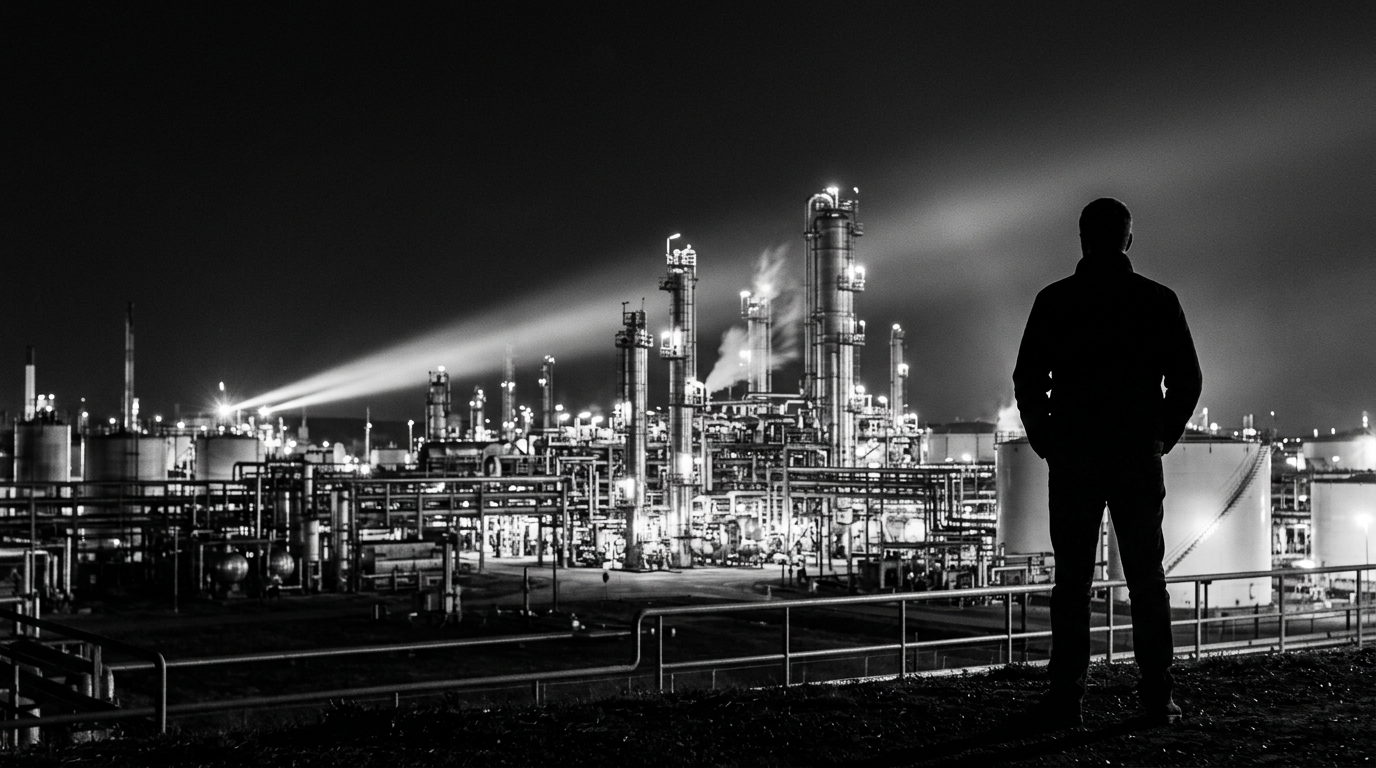
Iran issued a warning on Saturday, Aug. 1, 2026, saying any US attack on Iranian energy facilities or civilian infrastructure could set off a broader conflict. The statement came after reports indicated Washington was weighing potential strikes, though no confirmed action was reported at the time.
Iranian reports said a retaliation plan was prepared, underscoring the risk that threats involving energy assets could evolve into a regional supply-shock event rather than remain a limited military exchange. A separate response was described as pending, leaving uncertainty over the next steps and the immediacy of the risk.
Energy sites and Gulf shipping routes at the center The warning carries weight because Iran is a major energy producer and is positioned near maritime corridors that are central to crude flows from the Gulf. Any strike affecting production, export facilities, or power infrastructure would force markets to weigh not only immediate supply disruption but also the possibility of retaliation that targets transport links and nearby facilities.
In that scenario, the first transmission channel to the global economy would likely be oil prices and shipping insurance costs. Even without confirmed damage, heightened tension can influence how traders and insurers price risk around routes and infrastructure tied to regional energy exports.
Potential market reactions depend on whether threats turn into attacks If the situation remains at the level of statements and warnings, the macroeconomic effect could be limited to a geopolitical risk premium, according to the source material. That would leave the episode primarily reflected in risk pricing rather than in physical supply losses.
If attacks begin, the source material indicates several impacts could appear quickly: higher crude prices, more expensive freight, and a stronger dollar. Together, those moves could tighten financial conditions for energy importers and complicate inflation assessments for central banks.
Deterrence versus escalation risk for Tehran and the region For Tehran, the immediate question raised by the source material is whether deterrent language reduces the chance of a strike or instead narrows room for de-escalation by locking both sides into an escalation dynamic. For the wider energy sector, refiners, tanker operators, and Gulf producers could face a faster repricing of security, routing choices, and backup supply risk.
The next dated checkpoint cited is Aug. 2, 2026. If no confirmed attack emerges within 24 hours, markets may treat the episode as another warning cycle; if an attack is confirmed, energy-linked instruments and perceived safe-haven assets would likely react first, the source material said.