Iran war reopens critical Middle East shipping lane
Iran war has reopened a key Middle East shipping lane to armed attacks and weapons transfers, officials said on August 1, 2026.
Mateo Fernandez ·
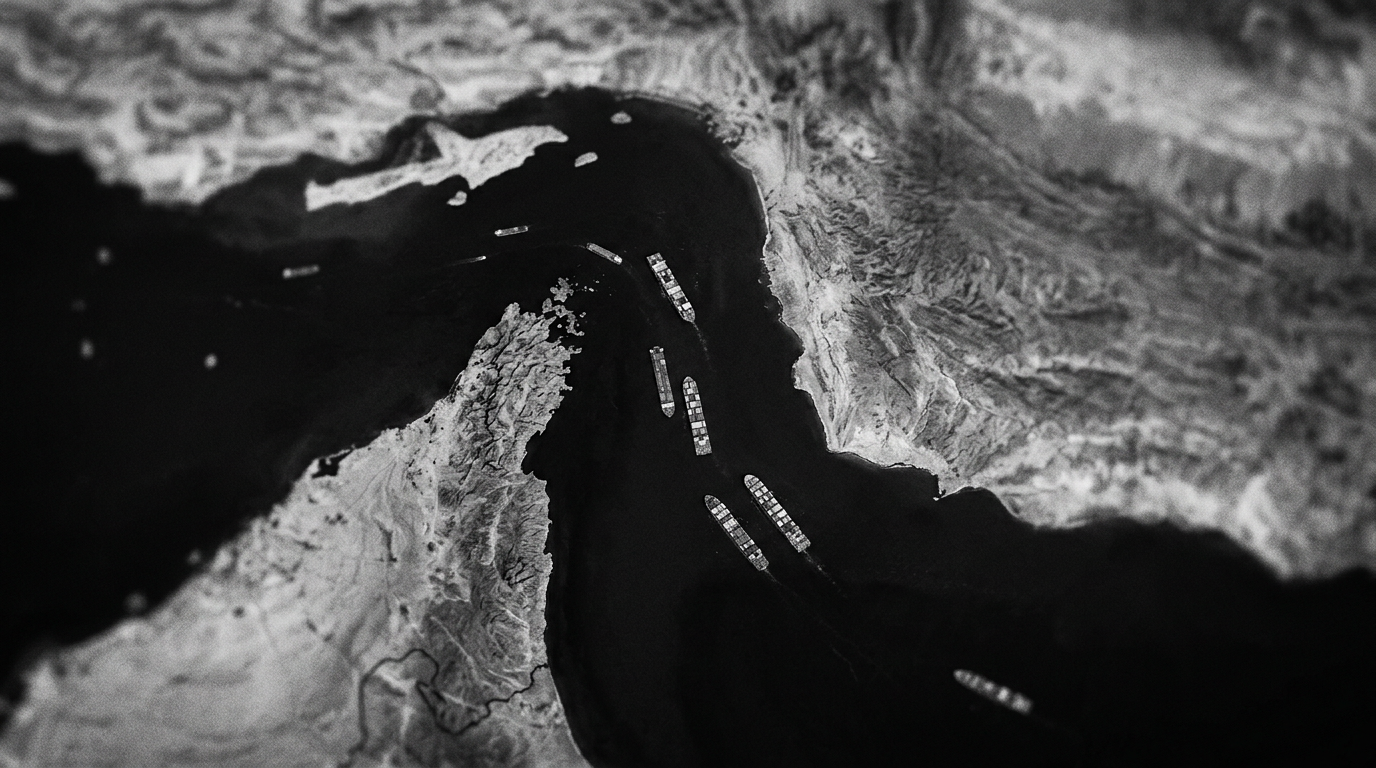
Officials said on August 1, 2026 that the Iran war has again exposed a key Middle East shipping lane to armed attacks and weapons transfers, raising immediate security risks for commercial vessels operating in the area. The developments are already affecting how shippers and insurers evaluate transits, with knock-on effects for costs and routing decisions.
According to officials, the shift reflects a deliberate effort tied to Tehran to use maritime routes both for tactical action and for moving materiel. They said shipping companies have started rechecking whether to sail through the corridor, while underwriters are updating risk maps that guide coverage decisions and premium pricing.
Insurance, routing, and near-term costs Officials said carriers that depend on the lane may face higher insurance premiums, or be pushed toward longer voyages if rerouting becomes necessary. For operators, the immediate issue is not only the physical threat but also whether insurance capacity tightens for voyages assessed as higher risk.
Shippers moving energy and general cargo could see timing uncertainty if vessels slow down, wait for safer windows, or divert to alternate routes. Officials said the potential for diversions also raises the prospect of higher freight costs, depending on how widely carriers adjust schedules and how insurers revise coverage terms.
How officials describe the operational pattern
Officials outlined a tactical mechanism that they said includes harassment by small boats, the movement of dual-use goods through unmarked cargo, and the ability to conduct attacks without using state-flagged vessels. They said these methods can be used to obscure attribution and complicate the immediate response environment at sea.
Officials added that these patterns blur the line between criminal interdiction and state-directed activity. That, they said, can make naval responses more difficult because the operating picture is less clear and the rules for intervention may be harder to apply quickly in ambiguous situations.
Pressure points for regional trade and ports
Officials said regional economies dependent on reliable energy and goods flows could face delays and cost pressure if carriers divert away from the area or if insurers reduce available coverage. The effects would be felt across shipping schedules, cargo delivery times, and potentially contract performance where time-sensitive shipments are involved.
They also said ports that function as alternative hubs could experience sharp increases in traffic if the shipping lane is avoided by a meaningful share of carriers. Such shifts, officials noted, can lead to congestion and uneven flows, with some terminals facing surges while others see reduced throughput.
What remains uncertain ahead of August 7
Officials said updated maritime advisories and insurer guidance are expected by August 7, 2026, as navies, carriers, and underwriters publish revised routing and coverage positions. Until those updates are issued, a key uncertainty is the degree to which insurers will restrict capacity or reprice risk, and how widely carriers will modify transits in response.
Implications
Country Impact: Officials said the Iran war has made a key Middle East shipping lane vulnerable again, increasing immediate risk for commercial shipping in the region. They said regional economies reliant on timely energy and goods shipments could face delays and cost pressure if traffic diverts or insurance capacity tightens.
Industry Impact: Officials said shipping companies are reassessing whether to transit the lane and insurers are revising risk maps, which can affect coverage availability and premiums. Carriers that rely on the corridor may need to choose between higher costs or longer routes if rerouting becomes necessary.
Market Impact: Officials said higher premiums, potential diversions, and reduced underwriting capacity could raise shipping costs and disrupt schedules. They also said alternative ports may see surges and congestion if carriers shift routes, affecting logistics planning and delivery timelines.