Spain Rebukes EU States After Ceuta Migrant Surge
Spain rebuked several EU states after about 60,000 migrants entered Ceuta on July 30, prompting temporary Schengen curbs and wider border concerns.
Atlas Newsdesk ·
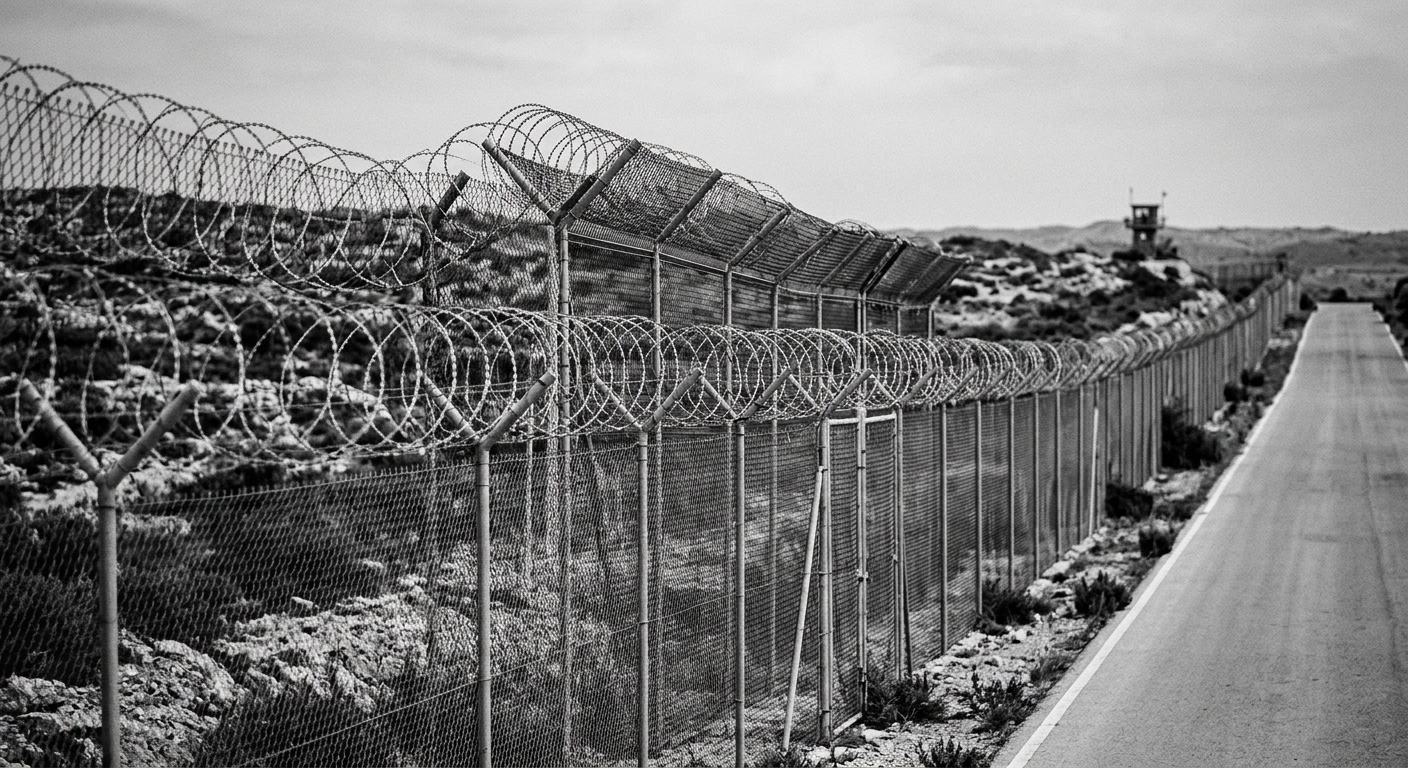
Spain’s Prime Minister Pedro Sanchez on Saturday criticised several European Union member states over their reaction to a major migrant influx into Ceuta, a Spanish enclave in North Africa. The dispute followed the arrival of approximately 60,000 migrants in Ceuta on July 30, an event Spanish authorities said was contained locally.
The surge resulted in 67 confirmed fatalities, according to the information provided. It also triggered security concerns among nearby EU countries focused on the risk of onward movement into continental Europe, even as Spain said it moved quickly to reassert control.
Schengen pressure and unilateral moves
In the aftermath, Italy temporarily suspended the Schengen border-free agreement with Spain. Finland and Denmark supported Italy’s decision, according to the account of events.
Spanish authorities said border control was restored within 48 hours. Madrid also confirmed that no migrants reached the Spanish mainland, seeking to counter claims that the situation had spilled beyond Ceuta.
Despite that assurance, the political impact spread beyond the enclave itself. The response included unilateral border restrictions and calls in some quarters for Spain’s Schengen status to be suspended.
Sanchez: response was “selfish” and “unlawful” Sanchez described the reactions by the countries involved as selfish and unlawful. He argued that Ceuta is not part of the Schengen area and said Spain had successfully contained the incident within the enclave.
The dispute has added strain to coordination inside the EU on border management and crisis response, with differing interpretations of what immediate measures are justified when arrivals rise sharply at a single entry point.
Border reinforcement discussions widen
France and Portugal are considering reinforcing their own borders with Spain, according to the source material. The possibility of additional checks underscores concerns about secondary movements, even though Spanish authorities said none of the migrants reached the mainland.
Separately, the European Commission maintained that the influx was unacceptable, indicating institutional concern about the scale of the arrivals and the broader implications for EU border policy.
Madrid deploys additional security assets
Spain has since deployed additional military and police assets to Ceuta and to Melilla, the other Spanish enclave in North Africa. Officials said the is to prevent further unauthorised crossings and stabilise the situation at both locations.
For now, the key uncertainty is how long unilateral restrictions and proposed reinforcements along Spain’s borders may last, and whether EU member states can align on a shared approach while Madrid maintains that the immediate episode was contained.