Trump Urges Allies to Secure Strait of Hormuz
Former U.S. President Donald Trump urged allies to secure the Strait of Hormuz amid Gulf attacks, highlighting critical global energy security concerns.
Cuneyd Erdogan ·
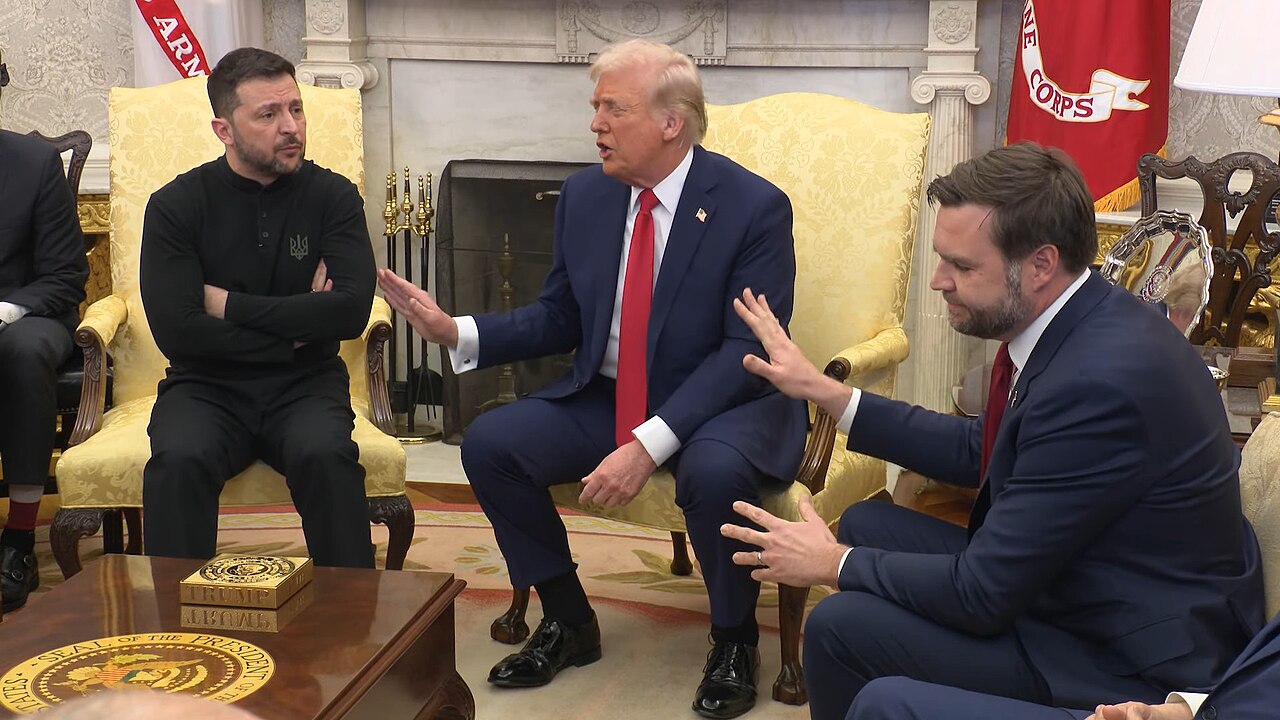
S. President Donald Trump has called upon international allies to ensure the continued navigability of the Strait of Hormuz, a critical global shipping lane. This appeal follows a series of maritime incidents in the Persian Gulf region, which have raised concerns about the security of oil transit and broader regional stability. The Strait of Hormuz is a narrow waterway connecting the Persian Gulf to the Arabian Sea, through which a significant portion of the world's seaborne oil passes daily.
Geopolitical Tensions in the Gulf
The call for action comes amidst heightened tensions between the United States and Iran, particularly during Trump's presidency. These tensions escalated following the U.S. withdrawal from the Joint Comprehensive Plan of Action (JCPOA), commonly known as the Iran nuclear deal, in 2018. The subsequent re-imposition of U.S. sanctions on Iran aimed to curb its nuclear program and regional influence, leading to retaliatory actions and rhetoric from Tehran.
Strategic Importance of Hormuz
The Strait of Hormuz is strategically vital for global energy markets. Approximately one-fifth of the world's total oil consumption, including nearly all oil exports from Saudi Arabia, Iran, Iraq, Kuwait, Qatar, and the UAE, transits through this chokepoint. Any disruption to shipping in the Strait can have immediate and significant impacts on international oil prices and global economic stability.
Past incidents, such as attacks on tankers and seizures of vessels, have underscored its vulnerability.
International Response and Diplomacy
Following the maritime incidents, various international actors, including European nations and Gulf states, have expressed concerns. While some allies have supported efforts to de-escalate tensions, the approach to securing the Strait has varied. The U.S. has advocated for a stronger international presence and cooperation to deter aggression, while other nations have emphasized diplomatic solutions and multilateral engagement with Iran.
Economic and Security Implications
The ongoing security challenges in the Persian Gulf have profound economic implications. Increased insurance premiums for shipping, potential supply chain disruptions, and volatility in energy markets are direct consequences. From a security perspective, the situation risks miscalculation and escalation, potentially drawing in regional and international powers. Maintaining freedom of navigation in the Strait of Hormuz remains a paramount objective for global trade and energy security.
Outlook for Regional Stability
The future stability of the Persian Gulf region hinges on diplomatic efforts and a reduction in confrontational rhetoric. The international community continues to monitor developments closely, recognizing that any significant escalation could have far-reaching consequences beyond the immediate region. The role of international alliances and multilateral frameworks in managing these complex geopolitical dynamics will be crucial in preventing further destabilization.
Implications
Country Impact: The ongoing tensions in the Persian Gulf directly impact regional countries, particularly Iran and its neighbors, through economic sanctions and heightened security risks. Diplomatic relations and trade flows within the region are significantly affected.
Industry Impact: The global oil and shipping industries face increased operational costs due to higher insurance premiums and potential supply chain disruptions. Energy markets experience volatility, impacting prices and investment decisions worldwide.
Market Impact: Global financial markets react to geopolitical instability, with potential impacts on equity markets, bond yields, and currency valuations. Oil prices are particularly sensitive to events in the Strait of Hormuz, influencing inflation and economic growth forecasts.