

Iran Accuses US, Israel of Targeting Civilian Sites
Iran alleges the U.S. and Israel have targeted nearly 10,000 civilian sites, escalating regional tensions amid the Gaza conflict.
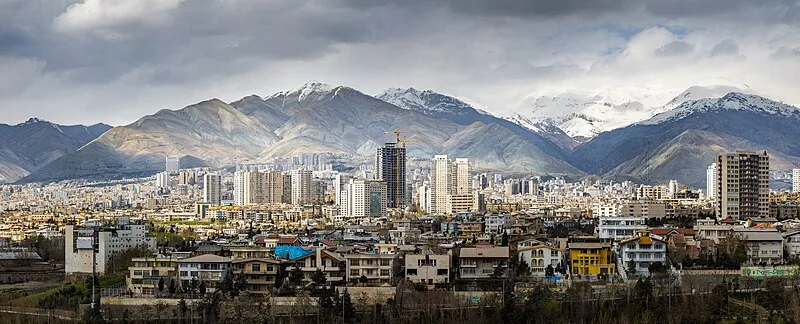
Iran has recently asserted that the United States and Israel have been responsible for attacks on nearly 10,000 civilian locations. This accusation comes amidst heightened regional tensions and ongoing conflicts in the Middle East, particularly concerning the Gaza Strip and broader geopolitical dynamics.
Allegations of Civilian Targeting
The Iranian government's statement, delivered through official channels, claims a significant number of civilian infrastructure and residential areas have been impacted by actions attributed to both the United States and Israel. These allegations are part of a broader narrative from Tehran that criticizes Western and Israeli military operations in the region.
Context of Regional Tensions
The accusation emerges during a period of intense geopolitical friction in the Middle East. The ongoing conflict in Gaza, which began in October 2023, has seen significant civilian casualties and widespread destruction. Iran frequently condemns Israeli military actions and has historically accused the U.S. of complicity in regional conflicts.
International Scrutiny on Civilian Harm
International bodies and human rights organizations have consistently called for adherence to international humanitarian law, which prohibits the targeting of civilians and civilian infrastructure. Reports from various sources, including the United Nations, have documented the extensive civilian toll in recent conflicts, particularly in the Gaza Strip.
U.S. and Israeli Responses
Both the United States and Israel have consistently denied intentionally targeting civilians. They maintain that their military operations are conducted in accordance with international law and aim to strike legitimate military targets, often accusing adversaries of using civilian areas for military purposes. The U.S. provides significant military aid to Israel and has a substantial military presence in the Middle East.
Historical Precedent and Diplomatic Standoffs
Accusations of civilian targeting are not new in the complex relationship between Iran, the U.S., and Israel. Iran has faced its own accusations regarding its support for various non-state actors in the region, which the U.S. and Israel label as terrorist organizations. These mutual recriminations contribute to a cycle of distrust and escalation.
Implications for Regional Stability
Such high-profile accusations further complicate efforts to de-escalate tensions in the Middle East. They fuel anti-Western sentiment in some parts of the region and provide justification for continued proxy conflicts. The international community remains concerned about the potential for broader regional conflict, given the interconnected nature of these disputes.
Outlook on Future Engagements
The immediate impact of these claims is likely to be a reinforcement of existing political stances rather than a shift in policy. Iran will likely continue to leverage such statements to rally domestic and regional support, while the U.S. and Israel will likely dismiss them as propaganda. The focus remains on diplomatic efforts to contain the Gaza conflict and prevent its spread.
Implications
Country Impact: The allegations by Iran are likely to further strain diplomatic relations between Tehran and Western powers, particularly the United States and Israel. This could lead to increased rhetoric and potentially more proxy engagements in the region, impacting stability in countries like Lebanon, Syria, and Yemen.
Industry Impact: The heightened geopolitical tensions could introduce further volatility into global energy markets, particularly oil prices, due to concerns over supply disruptions in the Middle East. Defense industries may see increased demand, while other sectors reliant on regional stability could face uncertainty.
Market Impact: Global financial markets may react to increased geopolitical risk with a flight to safety, potentially strengthening safe-haven assets like the U.S. dollar and gold. Equity markets in affected regions could experience downward pressure, and investor confidence in Middle Eastern economies might diminish.
More stories
- Increased Immigration Enforcement Targeting Religious Leaders
- Proposed Legislation Seeks Termination of Border Surveillance Tower Program
- Bipartisan Congressional Opposition to US-Russia Diesel Import Agreement
- US Department of Homeland Security Clarifies Deportation Authority for DED Recipients
- Law Enforcement Actions Against ShinyHunters Cybercrime Collective
- Congressional Opposition to Spirit Airlines Data Sale to Google
- Woman Charged in Rihanna Home Shooting Incident
- Bolsonaro Seeks Court Approval for Trump Official Visit
- India Secures T20 World Cup, $14 Million Prize
- US Ends Halkbank Prosecution Over Iran Sanctions
Latest news
- EA buyout lifts games M&A to $57.8 billion in Q3
- Nasdaq 100 breaks support as US indexes retreat
- Trump faces six-day tariff deadline with no public notice
- Saudi airport attack kills 13, strains missile defenses
- Tibidabo marks 125 years as Barcelona landmark
- Ollie Pope Exits Afghanistan Premier League Draft Amid Scrutiny
- Moto X lands on modern platforms Oct. 16 at $5.99
- Eisman says S&P 500’s AI exposure tops 65%