Iran war: Key talks in Pakistan, no direct negotiations
Iran’s foreign minister heads to Pakistan as U.S. envoys move into the region; both sides rule out direct talks, keeping mediation efforts at the forefront.
Lauren Collins ·
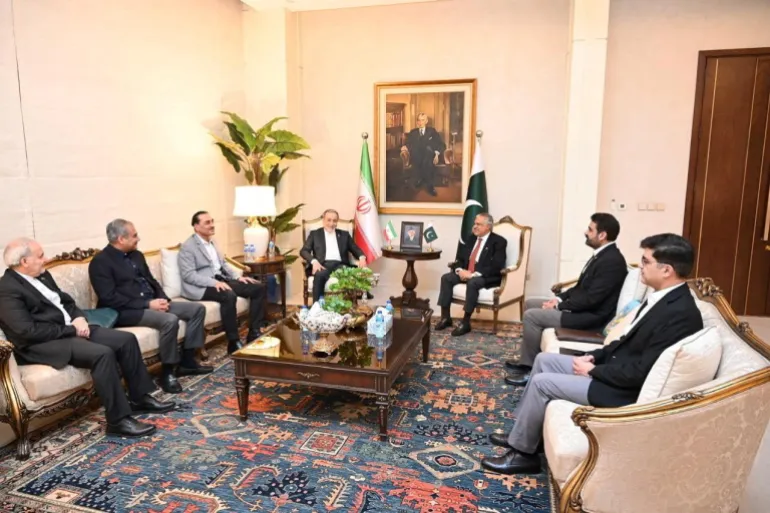
Iranian Foreign Minister Abbas Araghchi’s visit to Islamabad is seen as a fresh attempt to revive diplomacy amid the ongoing conflict.
On the U.S. side, envoys including Steve Witkoff and Jared Kushner are expected in Pakistan as efforts continue to restart negotiations.
Direct talks ruled out
Tehran has made clear there are no plans for face-to-face talks with Washington.
Instead, communication is expected to proceed indirectly through Pakistan, underscoring the fragile state of diplomacy.
Ceasefire efforts alongside conflict
While clashes continue on the ground, limited ceasefire efforts are unfolding in parallel with diplomatic contacts.
Previous rounds of talks in Pakistan failed to produce results, particularly over disputes related to the nuclear program and sanctions.
Energy tensions raise global stakes
The conflict is already impacting global energy markets.
Tensions around the Strait of Hormuz—through which roughly a fifth of the world’s oil passes—have driven concerns over supply disruptions and rising prices.
Cautious outlook
U.S. officials signal “some progress,” while Iran describes key demands as unrealistic.
Analysts say deep mistrust remains, suggesting any breakthrough would likely come in the form of a gradual, step-by-step agreement rather than a comprehensive deal.
What it means
As fighting continues, indirect diplomacy centered in Pakistan has become the primary channel for de-escalation—yet the absence of direct talks and persistent disagreements keep prospects for a lasting resolution uncertain.