Fertilizer costs surge as Gulf urea flows face disruption
Fertilizer prices are rising again after late-February disruptions tied to the Iran conflict hit Gulf urea supply and Strait of Hormuz logistics.
Atlas Newsdesk ·
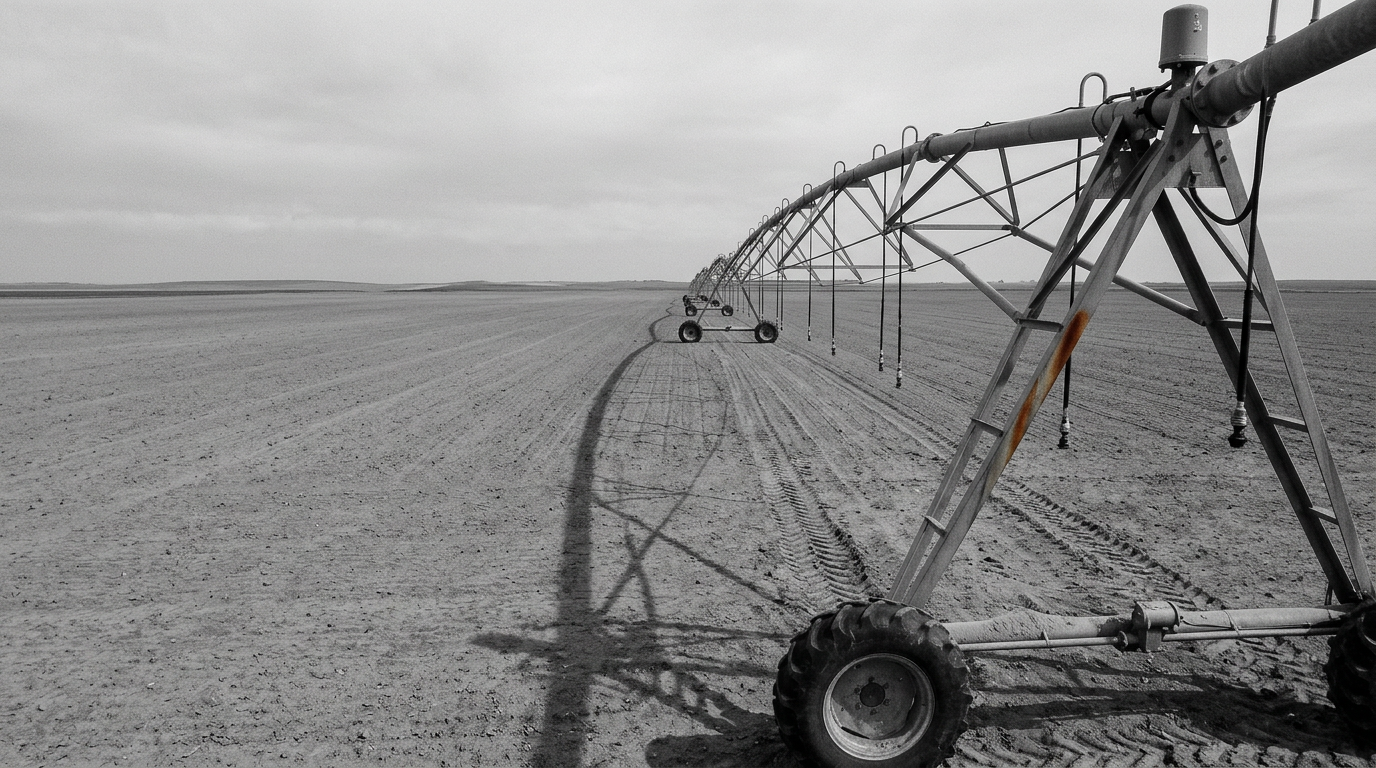
Fertilizer prices are climbing again for farmers across multiple regions, marking a second major upswing in costs within four years. Analysts and industry experts have linked the latest jump to the ongoing conflict in Iran, which has disrupted fertilizer production and logistics across the Middle East. They said the supply shock began in late February and could pressure future grain output if growers respond by reducing application rates.
The Middle East is described as a major hub for fertilizer production, and the Strait of Hormuz is identified as a critical route for global shipments. Officials and market participants reported traffic disruptions through the strait tied to the conflict, adding friction to trade flows. The same accounts said these logistics issues are complicating the movement of fertilizer and related inputs to global buyers.
Supply constraints have been intensified by a stoppage in urea supplies from Qatar’s largest production facility, according to the information provided. Market participants also pointed to reduced availability of sulphur and ammonia, which are key inputs used across several fertilizer products. Together, these disruptions have tightened the market for urea, a nitrogen-based fertilizer widely used in crop production.
Industry participants said the price move has been driven in part by the loss of roughly one-third of globally traded urea volumes that are typically exported from the Gulf region. The strain is also showing up in import markets. India, described as a major agricultural producer, recently imported record volumes of urea at nearly double the price it paid two months earlier, based on the information provided.
The current episode is being compared with the 2022 fertilizer crisis, but the source highlights a different backdrop for farm finances. In 2022, higher global grain prices helped many producers manage elevated input costs. Now, crop prices are described as materially lower, which analysts and industry experts said reduces farmers’ ability to absorb higher fertilizer bills without adjusting planting plans or input use.
Benchmark prices cited in the source illustrate that pressure: Chicago wheat prices are roughly half of what they were four years ago, while soybean prices are nearly 50% lower. Analysts and industry experts warned that if farmers apply less fertilizer, yields could weaken and harvests could shrink.
On the supply side, the source says at least 2 million metric tons of urea production—about 3% of annual seaborne trade—have been lost since the conflict began, with an additional 1 million tons currently stranded in the Gulf.
Market participants said that even if hostilities were to stop, it could still take several months for conditions to normalize. That leaves uncertainty around near-term availability and pricing as upcoming growing cycles approach. The situation underscores how disruptions around a key shipping corridor can transmit quickly into global agricultural input costs.