Iran Conflict Threatens US Fertilizer Supply
Iran conflict disrupts global fertilizer trade, threatening a 25-35% shortage for US farmers and driving prices up over 33%.
Lauren Collins ·
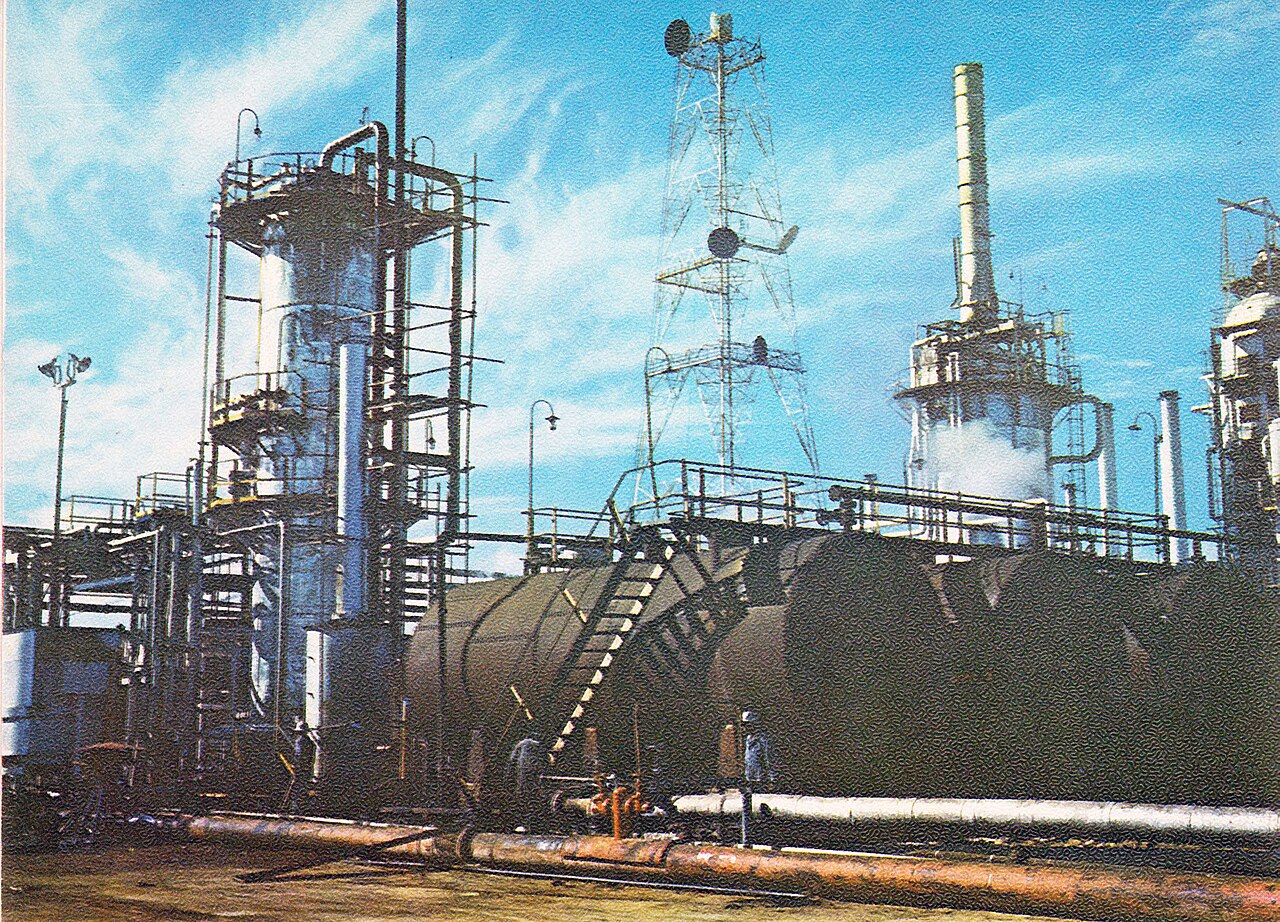
The ongoing conflict in Iran is significantly impacting the global fertilizer market, leading to concerns about spring planting supplies for North American farmers. Disruptions to shipping routes, particularly through the Strait of Hormuz, have curtailed the flow of critical nitrogen fertilizer components, with over 30% of global nitrogen exports typically transiting this waterway.
This situation has resulted in a projected 25-35% deficit in typical spring fertilizer availability for farmers in the United States and Canada. Concurrently, fertilizer prices have escalated by over 33% since the conflict began, creating substantial financial pressure on agricultural producers ahead of the crucial planting season.
Supply Chain Vulnerabilities Exposed
The United States, which relies on imports for a significant portion of its urea fertilizer, is particularly susceptible to these disruptions. The nation's 'just-in-time' supply chain model, coupled with the absence of strategic fertilizer reserves, amplifies its vulnerability to sudden market shocks. Reports indicate that some retail agricultural centers are experiencing depleted inventories or prices that are economically unfeasible for farmers.
Market Dynamics and Price Discrepancies
A notable price disparity has emerged, with offers in key U.S. import hubs like New Orleans reportedly $119 per metric ton lower than prevailing global prices. This differential raises the possibility that vessels carrying fertilizer could be diverted to other international markets offering higher returns, further exacerbating domestic supply challenges.
Government Response and Farmer Concerns
U.S. Agriculture Secretary Brooke Rollins indicated on Friday that the White House is developing solutions to mitigate the impact on farmers, with discussions underway regarding potential aid packages. The American Farm Bureau Federation has voiced concerns about the potential ramifications for the broader U.S. food supply chain.
Legislative Scrutiny on Pricing
Senator Josh Hawley has called for an investigation into potential price gouging within the fertilizer industry. His request highlights the 32% price increase observed since the onset of the conflict, suggesting that market dynamics may be influenced by factors beyond direct supply and demand.
Broader Economic Implications
The disruption in fertilizer supply extends beyond immediate agricultural concerns, posing risks to food security and inflationary pressures. Higher input costs for farmers could translate into increased food prices for consumers, impacting household budgets and potentially contributing to broader economic instability.
The reliance on specific geopolitical choke points for essential commodities underscores the fragility of global supply chains and the interconnectedness of international markets and political events.
Outlook for Spring Planting
As the spring planting season approaches, the availability and affordability of fertilizer remain critical factors for agricultural output. The effectiveness of government interventions and the resolution of geopolitical tensions will significantly influence the short-term and long-term stability of the agricultural sector and food markets. Continued monitoring of shipping routes, international trade agreements, and domestic policy responses will be essential in assessing the evolving situation.
Implications
Country Impact: The United States faces potential food supply disruptions and increased agricultural costs due to fertilizer shortages. This could lead to higher domestic food prices and necessitate government intervention to support farmers.
Industry Impact: The agricultural sector, particularly farmers, will experience significant financial strain from elevated fertilizer prices and reduced availability. This impacts planting decisions and overall crop yields, potentially affecting food processing and distribution industries.
Market Impact: Global fertilizer markets are experiencing price volatility and supply constraints, with potential diversions of shipments to higher-paying regions. This creates upward pressure on agricultural commodity prices and could contribute to broader inflationary trends.