Iran tightens Hormuz control as Khamenei funeral proceeds
IRGC warnings reportedly forced vessels to turn back as Tehran links mourning for Ali Khamenei with pressure over a key energy route.
Mateo Fernandez ·
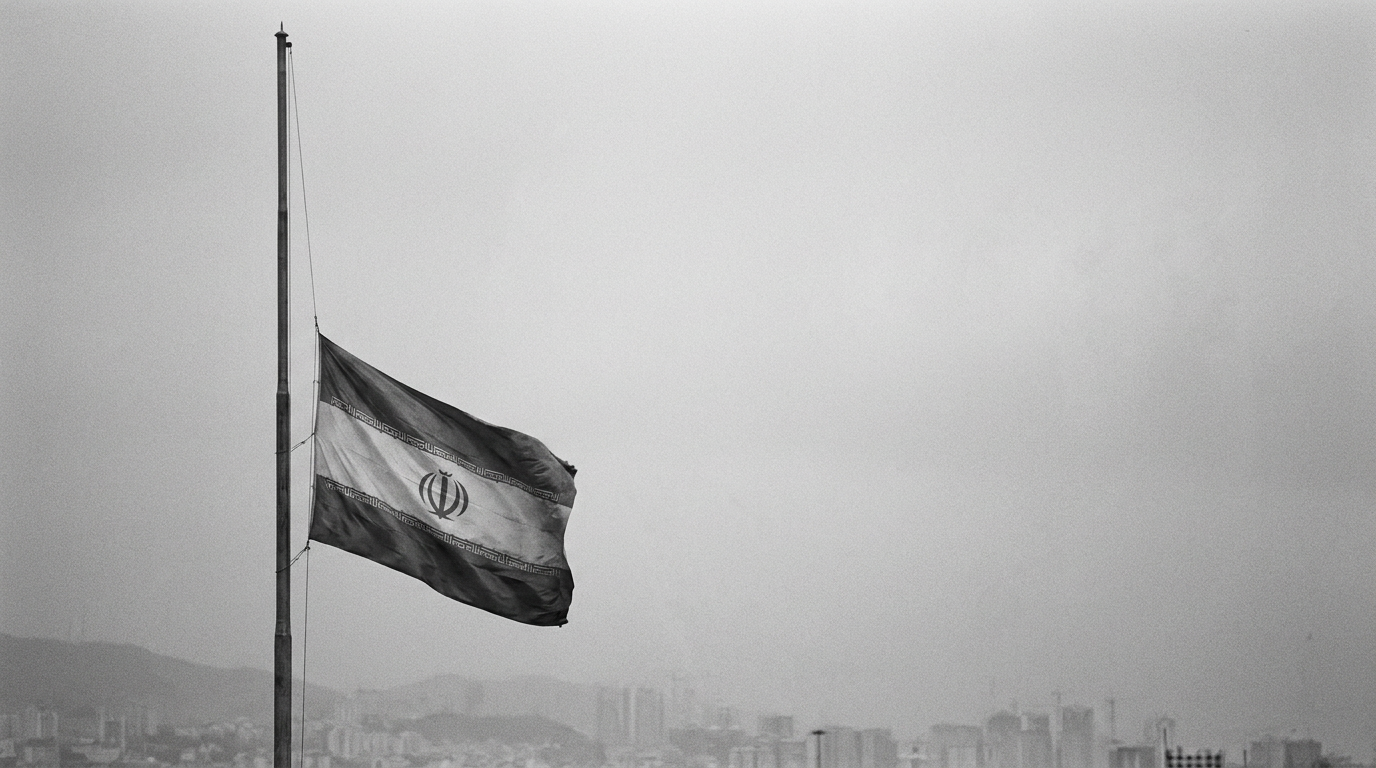
Iran sought tighter control over the strait of Hormuz on Sunday as mourning for supreme leader Ali Khamenei continued in Tehran, raising the energy-market stakes around one of the world’s most sensitive shipping passages. Officials said warnings from the Islamic Revolutionary Guard Corps forced some vessels to turn back over the past 48 hours.
The pressure campaign appeared to coincide with diplomatic messaging to Gulf delegations attending funeral events. Officials said Tehran used passages from the Qur’an in those exchanges, framing control of the waterway as part of Khamenei’s political legacy and Iran’s regional posture.
IRGC pressure at Hormuz
The immediate risk for energy markets is not only a formal closure of the passage, but a rise in uncertainty for shipowners, insurers and buyers. If vessels face more warnings or diversions, freight costs and delivery schedules could react before any official restriction is announced.
For Iran, tighter control would signal that the leadership transition does not weaken the security state’s command over the Gulf. For energy importers, the concern is that even limited disruption near Hormuz can force traders to price in a higher risk premium for crude and refined products.
The wider industry impact would fall first on shipping, insurance and physical oil trading desks. Gulf exporters would face pressure to reassure buyers that loading schedules remain intact, while refiners would watch whether delays affect cargo nominations.
The next test comes through July 6, when ship-tracking signals, port notices and any further official statements should show whether the IRGC warnings were a short funeral-period message or the start of a longer enforcement phase.