Iran Strikes Gulf, Oil Prices Surge Amid Regional Tensions
Iran launched drone and missile attacks on Gulf nations, causing oil prices to surge and disrupting global energy markets amid escalating regional tensions.
Lauren Collins ·
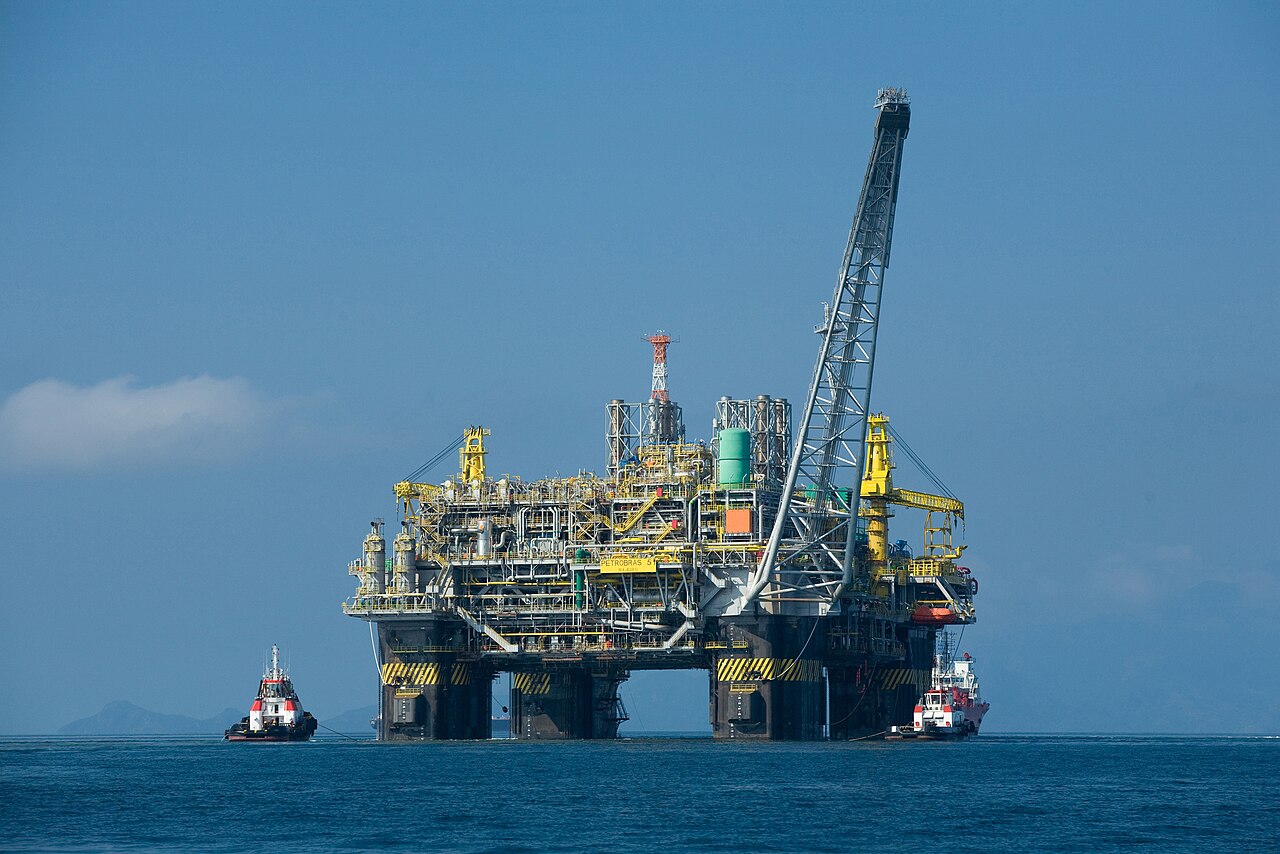
Multiple Gulf nations experienced drone and missile attacks on March 12, 2026, intensifying regional instability. These coordinated strikes, attributed to Iran, targeted critical infrastructure and urban areas across Bahrain, Saudi Arabia, Kuwait, and the United Arab Emirates. The incidents mark a significant escalation in the broader conflict involving Iran, the United States, and Israel, which has been ongoing for nearly two weeks.
Bahrain reported direct hits on fuel storage facilities within the Muharraq Governorate, leading to public safety advisories for residents to seek shelter. Simultaneously, Saudi Arabia's Ministry of Defence confirmed the interception of seven drones. These unmanned aerial vehicles were reportedly aimed at the Shaybah oilfield and diplomatic compounds in the capital.
Kuwait also faced an assault, with authorities detailing a "hostile drone" incident that resulted in two injuries and property damage. The United Arab Emirates activated its air defense systems in response to an incoming missile threat, while a commercial container vessel sustained an attack approximately 35 nautical miles north of Jebel Ali, a major port.
Energy Market Disruptions and Strait of Hormuz Closure
The attacks have severely impacted global energy markets. Brent crude oil prices surged to approximately $100 per barrel, reflecting an increase of over 38% since the conflict began. This price hike underscores the vulnerability of Middle Eastern oil supplies to geopolitical tensions.
Further exacerbating the energy crisis, Iraq announced the suspension of all oil terminal operations following a separate incident at Umm Qasr port. Explosive-laden boats targeted two crude oil tankers, causing one fatality and necessitating the rescue of 38 individuals. This disruption affects a key export route for Iraqi oil.
Strategic Waterway Blocked
Traffic through the Strait of Hormuz, a vital maritime chokepoint for a significant portion of the world's oil and liquefied natural gas shipments, has effectively ceased. This closure follows Iran's stated intention to block oil exports to the United States, Israel, and their allies, signaling a direct challenge to international shipping lanes.
These developments occur on the thirteenth day of the wider conflict, which has already claimed approximately 2,000 lives. The coordinated nature of the attacks across multiple Gulf states suggests a deliberate strategy to exert pressure and disrupt regional stability, with profound implications for global energy security and international trade.
Implications
Country Impact: The attacks heighten security concerns across Gulf Cooperation Council (GCC) states, potentially leading to increased defense spending and closer alignment with international partners for protection. Regional stability is severely undermined, risking further retaliatory actions.
Industry Impact: The global energy industry faces significant supply chain disruptions and price volatility, particularly for oil and gas. Shipping and maritime insurance sectors will experience increased costs and risks, impacting global trade routes and logistics.
Market Impact: Global financial markets are likely to react with increased risk aversion, leading to potential sell-offs in equities and a flight to safe-haven assets. Energy commodity prices, especially crude oil, will remain elevated, contributing to inflationary pressures worldwide.