Republicans Dismiss Trump Election Fraud Claims
Republican voters in key Pennsylvania districts largely dismiss Trump's election fraud claims, marking a shift from 2020 distrust.
Lauren Collins ·
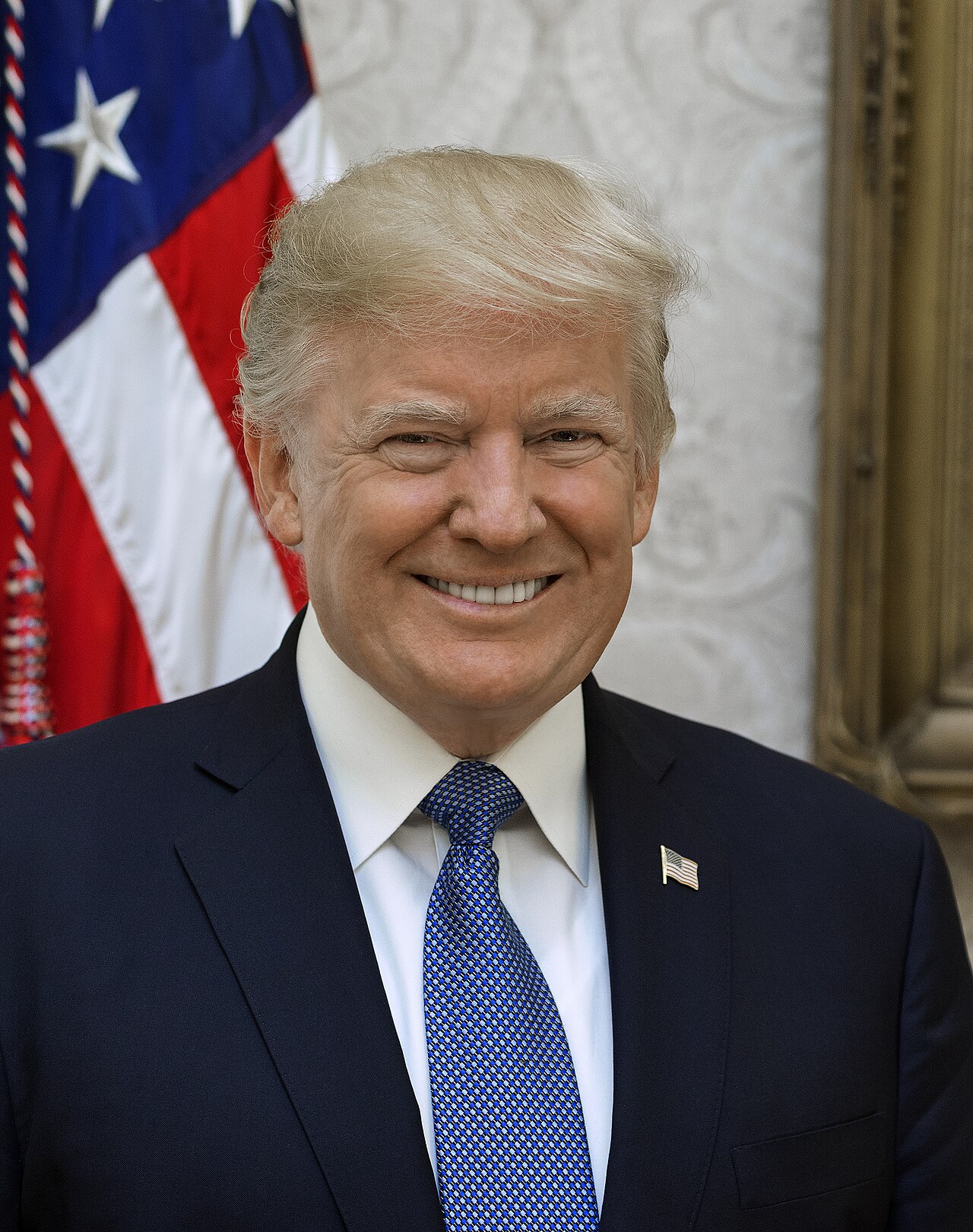
A significant portion of Republican voters in crucial Pennsylvania swing districts do not accept former President Donald Trump's assertions regarding Democratic plans for election fraud. This finding, reported in March 2026, indicates a notable shift in sentiment among the Republican electorate since the 2020 election cycle.
During 2020, polling data from NPR/PBS News/Marist revealed that over 70% of Republicans expressed distrust in the accuracy of election outcomes. However, by 2024, confidence levels had substantially increased, with nearly 90% of Republicans affirming their belief in the proper conduct of elections.
Shifting Voter Perceptions
This voter sentiment stands in contrast to statements made by former President Trump. On March 9 and during his State of the Union address, Trump alleged that Democrats intended to "cheat" in upcoming elections, though he did not present supporting evidence for these claims.
Sources of Information for Voters
These alternative sources include local and state election officials, local television news outlets, and discussions with family members. This broader reliance on various information channels suggests a growing trust in the electoral system among Republicans, differing from patterns observed in previous election cycles.
Historical Context of Election Integrity Debates
This recent data from Pennsylvania suggests a potential recalibration within the Republican base regarding these claims. The increasing confidence in election conduct among Republican voters could influence future political discourse and campaign strategies, potentially shifting focus away from fraud allegations towards other policy issues. The evolving landscape of voter trust and information consumption remains a critical factor for upcoming electoral contests.
Implications
Country Impact: This shift in Republican voter sentiment could reduce the political impact of election fraud claims in future U.S. elections, potentially fostering greater acceptance of electoral outcomes across the political spectrum. It may also influence campaign messaging, prompting candidates to focus on policy rather than unsubstantiated allegations.
Industry Impact: Media organizations, particularly those focused on political news, may need to adapt their coverage strategies as voter reliance on diverse information sources increases. Fact-checking and local reporting on election processes could gain more prominence as voters seek verified information beyond partisan narratives.
Market Impact: Increased confidence in electoral processes could contribute to greater political stability, which is generally viewed favorably by financial markets. Reduced uncertainty surrounding election outcomes might lead to more predictable policy environments, potentially impacting investor confidence and long-term economic planning.