Iran Tanker Attacks Drive Oil Prices Past $100
Iran attacked two fuel tankers in Iraqi waters on March 12, 2026, driving global oil prices past $100 per barrel amid escalating Mideast tensions.
Lauren Collins ·
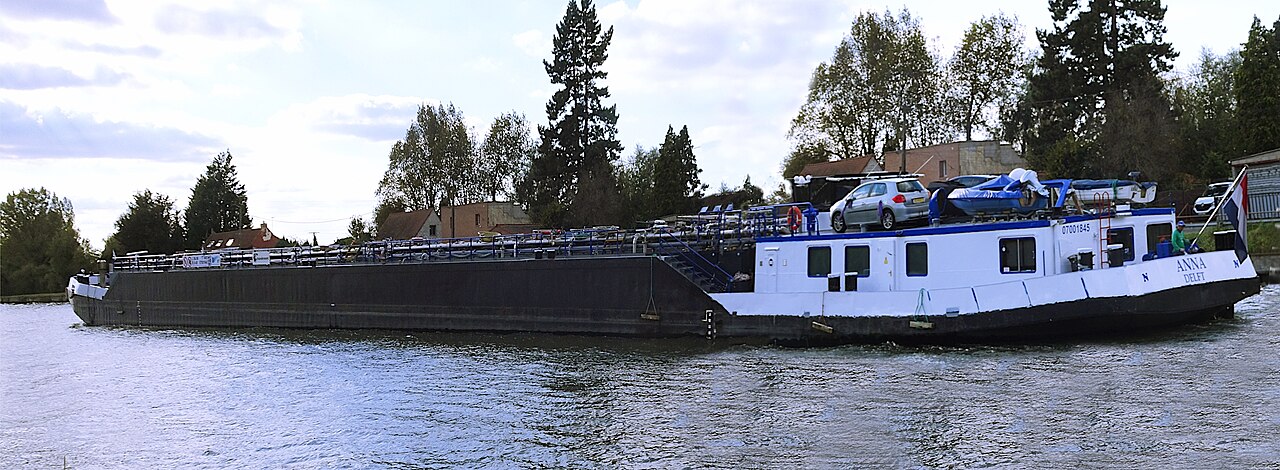
Global oil prices surged past $100 per barrel on Thursday, March 12, 2026, following Iranian attacks on two fuel tankers in Iraqi waters. This incident marks a significant escalation in regional tensions, directly impacting energy markets and prompting concerns over supply stability.
The attacks, which involved explosive-laden boats setting the vessels ablaze, occurred within Iraqi maritime territory. This action is part of a broader pattern of disruptions targeting infrastructure and transportation routes across the Persian Gulf region.
Regional Instability and Energy Supply
Iraq responded to the tanker attacks by halting operations at its oil terminals, signaling immediate disruptions to regional energy flows. The broader Middle East has experienced increased conflict, with these maritime incidents contributing to a volatile security environment.
Simultaneously, an Israeli airstrike in central Beirut resulted in seven fatalities. This strike followed missile launches by Hezbollah, an Iran-backed group, against Israeli targets, further illustrating the interconnected nature of regional hostilities.
Economic Repercussions and Market Outlook
The sustained disruption to oil supplies and critical infrastructure in the Middle East is anticipated to exert continued upward pressure on crude oil prices. Analysts suggest that market volatility will persist as long as geopolitical risks remain elevated.
International implications are also emerging, with reports indicating that New Zealand is evaluating potential fuel rationing measures. Such considerations underscore the potential for wider economic consequences stemming from the escalating tensions in the Middle East, affecting global energy security and consumer markets.
Geopolitical Context and Future Concerns
The recent events highlight the complex interplay between geopolitical rivalries and global energy markets. Iran's actions are perceived as an attempt to influence energy prices and exert regional leverage amid ongoing international disputes.
Observers are closely monitoring the situation for further escalations, particularly concerning maritime security in vital shipping lanes. The potential for broader conflict in the Middle East remains a primary concern for global economic stability and energy supply chains.
Implications
Country Impact: Iraq's decision to halt oil terminal operations directly impacts its oil export capacity and revenue. New Zealand's consideration of fuel rationing indicates potential economic strain on import-dependent nations.
Industry Impact: The global energy sector faces increased volatility and supply chain risks. Shipping and maritime insurance industries will likely see heightened premiums and operational challenges in the Persian Gulf.
Market Impact: Global oil prices are expected to remain elevated, impacting inflation and consumer costs worldwide. Equity markets may react negatively to increased geopolitical uncertainty, while safe-haven assets could see inflows.