US and Iran Exchange Military Strikes
Military hostilities between the US and Iran have escalated following reciprocal strikes in the Strait of Hormuz and regional airbases, threatening global…
Atlas Newsdesk ·
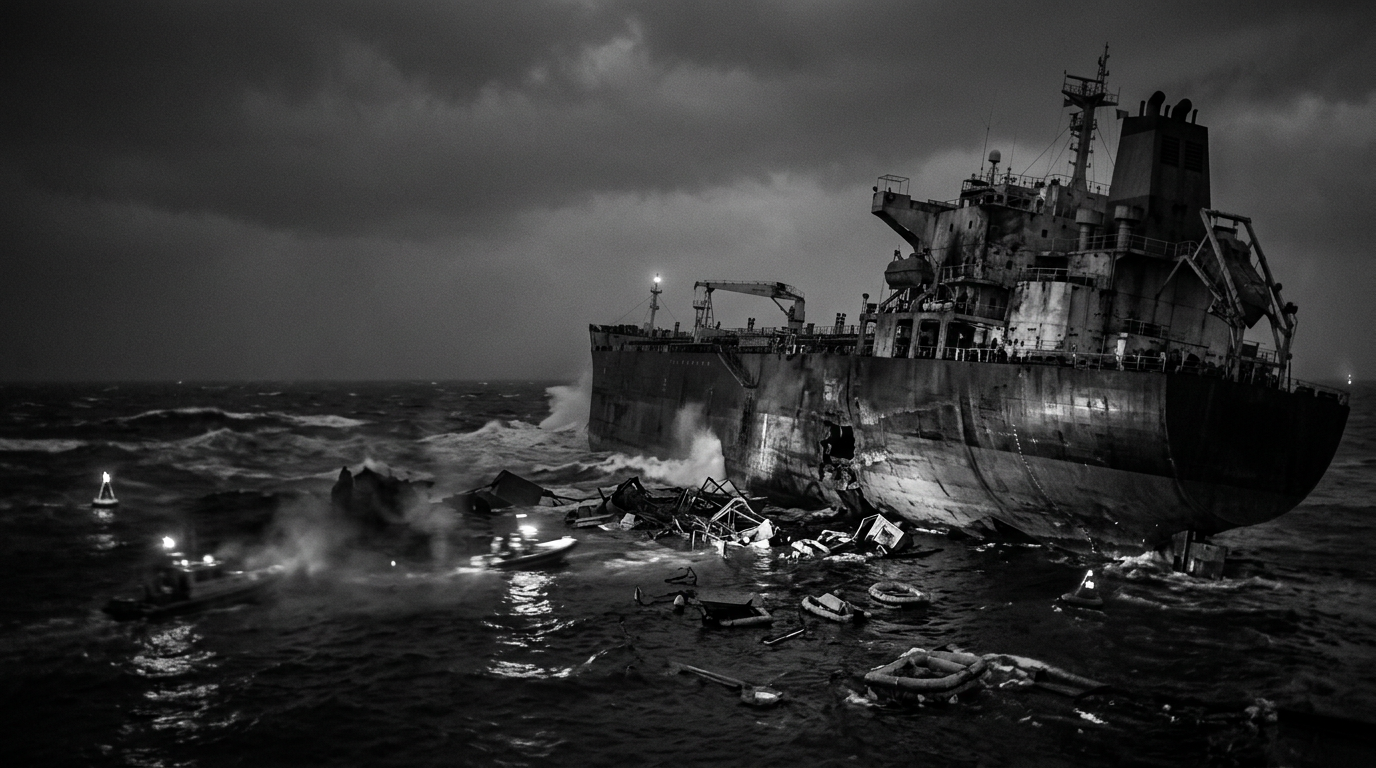
United States forces and the Iranian Islamic Revolutionary Guard Corps (IRGC) engaged in a series of reciprocal military strikes within the Strait of Hormuz and regional airbases on Monday. The escalation began Sunday when US forces conducted airstrikes against Iranian rocket launchers on Larak Island, citing intelligence that the IRGC intended to deploy sea mines. In response, the IRGC reported the destruction of a supertanker via naval mines in the strait and claimed ballistic missile attacks against US-allied airbases in Jordan and the United Arab Emirates.
The mechanism of this conflict involves a direct challenge to maritime transit security in the Strait of Hormuz, a critical global energy chokepoint. The transmission of these hostilities through regional proxy and direct military engagement threatens to disrupt international shipping lanes and destabilize regional energy infrastructure. The immediate consequence is a heightened risk of broader military confrontation, with the US Treasury Department signaling an intent to intensify economic isolation measures against Tehran during upcoming G20 meetings.
The timeframe for potential de-escalation remains uncertain as diplomatic efforts diverge. While Iranian leadership engages with the Shanghai Cooperation Organisation to build counter-influence, US officials are prioritizing economic sanctions. The situation remains volatile, with regional military assets on high alert following the reported interception of eight missiles by Jordanian forces.