Sarawak Air Quality Reaches Hazardous Levels from Indonesian Fires
Hazardous air quality in Sarawak, driven by Indonesian wildfires, has triggered emergency response plans, school closures, and government-led mitigation…
Lauren Collins ·
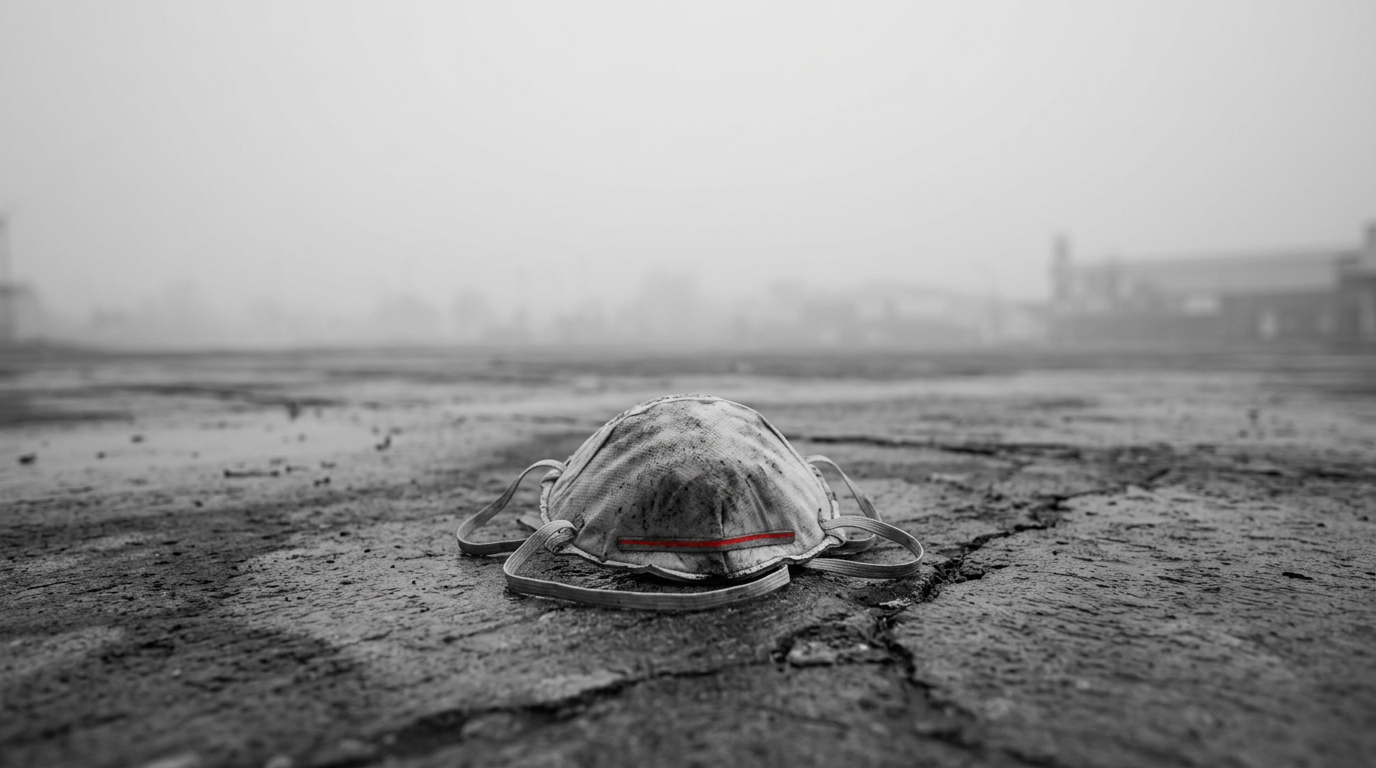
Air quality in the Malaysian state of Sarawak has deteriorated to hazardous levels, with the Air Pollutant Index (API) reaching 476 in the Serian district. This surge, recorded as of Monday morning, prompted the immediate closure of schools in affected areas and triggered emergency cloud-seeding operations to mitigate the severe environmental and public health risks.
Multiple regions within Sarawak, including Kuching, Samarahan, and Sri Aman, have reported API readings exceeding 300. This level is classified as hazardous on the API scale, indicating a significant threat to public health. The Malaysian Environment Department confirmed these elevated figures, which are attributed to transboundary smoke from ongoing forest fires in Indonesia.
Emergency Response Mobilized Malaysian authorities have activated the National Open Burning Malaysian authorities have activated the National Open Burning Action Plan and the National Haze Action Plan in response to the deteriorating conditions. These frameworks mandate the mobilization of inter-agency resources to combat fire spread and manage the health impacts on the population. Cloud-seeding operations are currently underway as part of this emergency response to atmospheric conditions. Regional Impact and Cross-Border Concerns The hazardous air quality has led to operational disruptions, primarily the mandatory closure of schools, aimed at protecting students from prolonged exposure to fine particulate matter. This environmental crisis highlights a critical cross-border governance issue, necessitating sustained coordination between regional authorities. The ongoing situation requires collaborative efforts to ensure environmental security and to mitigate potential economic and social instability across the affected areas.