China Boosts Human Oversight for AI Diplomatic Translations
Beijing is increasing human oversight for AI diplomatic translations due to concerns that machine outputs misrepresent policy intent and undermine soft power.
Lauren Collins ·
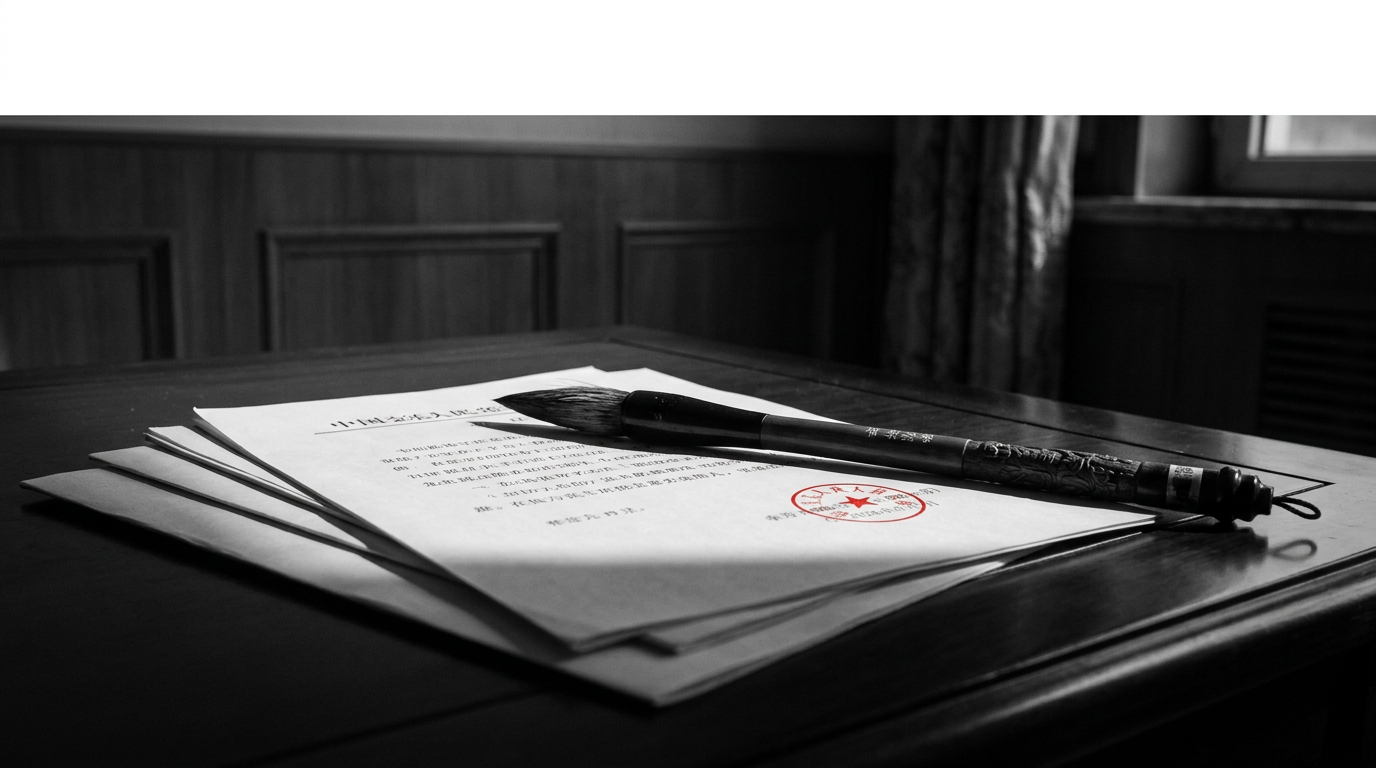
Beijing authorities are re-evaluating their dependency on automated translation systems for official political communications, citing frequent concerns that artificial intelligence outputs may inaccurately convey policy intentions. This strategic shift follows a state-affiliated academic assessment suggesting that overly literal AI translations can inadvertently project a more aggressive tone to international audiences. The re-assessment is driven by a desire to prevent linguistic inaccuracies from undermining China's national soft power initiatives and complicating its participation in global governance frameworks.
Officials are now advocating for a hybrid translation model, integrating substantial human oversight to ensure that political terminology is appropriately contextualized for diverse international stakeholders. This new directive prioritizes mitigating cultural misreadings and addressing value-laden biases often inherent in algorithmic outputs, particularly in high-stakes diplomatic exchanges.
Addressing Algorithmic Distortions in Policy Communication
The primary of this adjustment is to reduce diplomatic friction that could arise from machine-generated errors in sensitive policy communications. Professor Li Yan, an academic from Xian Fanyi University, published an article in a publication linked to the Chinese Academy of Social Sciences. The article highlighted the critical necessity of human expertise in refining AI translations, especially given the increasing volume of official communications handled by AI systems.
Professor Li emphasized that "The value of translation goes far beyond language itself," positioning translation capabilities as a fundamental measure of cultural soft power and a nation's capacity for global engagement in the current artificial intelligence era. The academic paper urged the nation to strengthen its overall translation capacity and actively guard against potential distortions generated by AI.
Mitigating Cultural Misinterpretations and Nuance
These measures are intended to improve international understanding of Chinese policies and intentions. Concerns also extend to the potential for cultural misreadings, logical inconsistencies, and value-laden biases that might be embedded within AI-translated political terminology. The strategic pivot towards greater human refinement aims to ensure that subtle diplomatic nuances are preserved and accurately conveyed.
This approach seeks to prevent interpretations that could misrepresent China's genuine stance or intentions to the global community, a crucial element in effective international relations. The integration of human expertise is considered vital for maintaining precision and avoiding unintended consequences in sensitive global dialogues, reflecting a broader trend where nations navigate the limitations of advanced AI in nuanced diplomatic contexts.