Iran: From Khamenei to Khamenei
Mojtaba Khamenei has reportedly been appointed Iran's Supreme Leader after an alleged U.S.-Israeli strike killed Ali Khamenei, marking a critical transition.
Lauren Collins ·
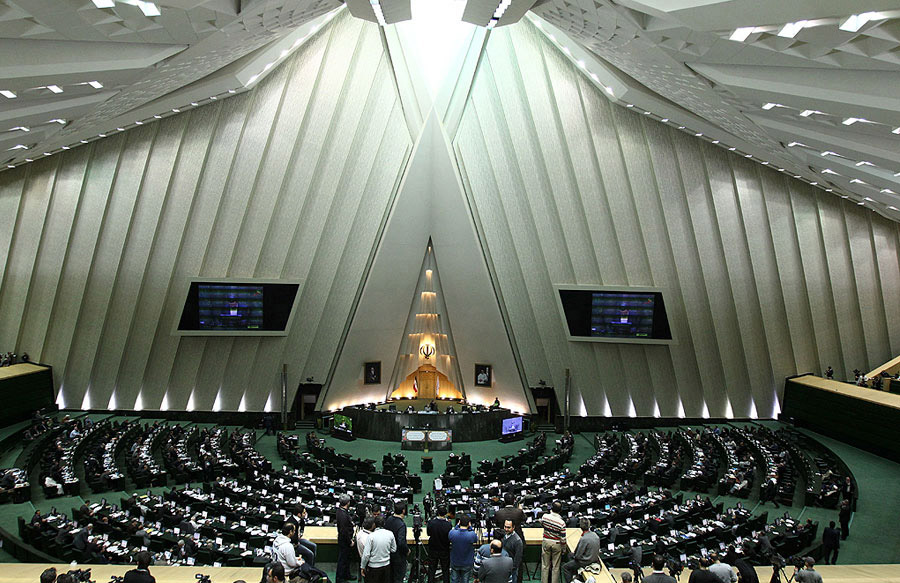
Mojtaba Khamenei has reportedly been appointed as Iran's new Supreme Leader, following an alleged U.S.-Israeli military action that resulted in the death of his predecessor, Ali Khamenei. This leadership change signifies a critical juncture for Iran's political and security apparatus, which has been in place since the 1979 Islamic Revolution. The transition occurs amidst heightened regional tensions and internal challenges.
The Supreme Leader in Iran holds ultimate authority, overseeing all state institutions, including the government, the armed forces, and the Islamic Revolutionary Guard Corps (IRGC). This system was originally designed to ensure stability and continuity beyond the tenure of any single individual. Mojtaba Khamenei's ascension now places this established framework under scrutiny, particularly concerning future governance and the IRGC's evolving role in national policy.
Succession and Authority
The position of Supreme Leader is the most powerful office in Iran, dictating both domestic and foreign policy. The previous leader, Ali Khamenei, had held the role for over three decades, consolidating power and shaping the country's strategic direction. His passing and the subsequent appointment of Mojtaba Khamenei represent a significant shift in the country's top leadership.
This succession process is typically managed by the Assembly of Experts, a body of 88 clerics elected by the public. They are constitutionally responsible for selecting and overseeing the Supreme Leader. The swiftness of this reported appointment suggests a pre-determined succession plan or an urgent response to the circumstances of Ali Khamenei's death.
Regional Geopolitical Context
The reported U.S.-Israeli strike leading to the former leader's death introduces a new layer of complexity to an already volatile Middle East. Iran has historically been a central player in regional dynamics, often in opposition to U.S. and Israeli interests. The new leadership will likely face immediate pressure to respond to this alleged external aggression, potentially escalating existing conflicts.
Internally, the new Supreme Leader must navigate various domestic pressures, including economic challenges and social demands. The continuity of the system, which centralizes authority, will be crucial in determining how Iran addresses these internal and external pressures in the coming period. The IRGC's influence, a key pillar of the Iranian state, is expected to remain significant under the new leadership.
Implications for Governance
Mojtaba Khamenei's leadership could lead to shifts in Iran's political trajectory, though the fundamental structure of the Islamic Republic is designed for resilience. The extent to which he will maintain or alter the policies of his predecessor remains to be seen. The transition will be closely watched by international observers for indications of future stability or potential for further regional destabilization.
Implications
Country Impact: Iran's political landscape is undergoing a significant transition, with potential shifts in domestic policy and foreign relations. The new leadership faces immediate challenges from both internal pressures and external geopolitical tensions.
Industry Impact: The energy sector, particularly oil and gas, could experience volatility due to increased geopolitical risk in the Middle East. Defense and security industries may see heightened activity as regional tensions escalate.
Market Impact: Global financial markets, especially oil prices, may react to increased uncertainty in the Middle East. Investors will closely monitor Iran's response to the alleged strike and any potential for broader regional conflict.