Iran Expands Gulf Maritime Enforcement Zone
Iran announced a new "restricted zone" in the Persian Gulf on Monday, extending maritime enforcement and warning foreign vessels.
Mateo Fernandez ·
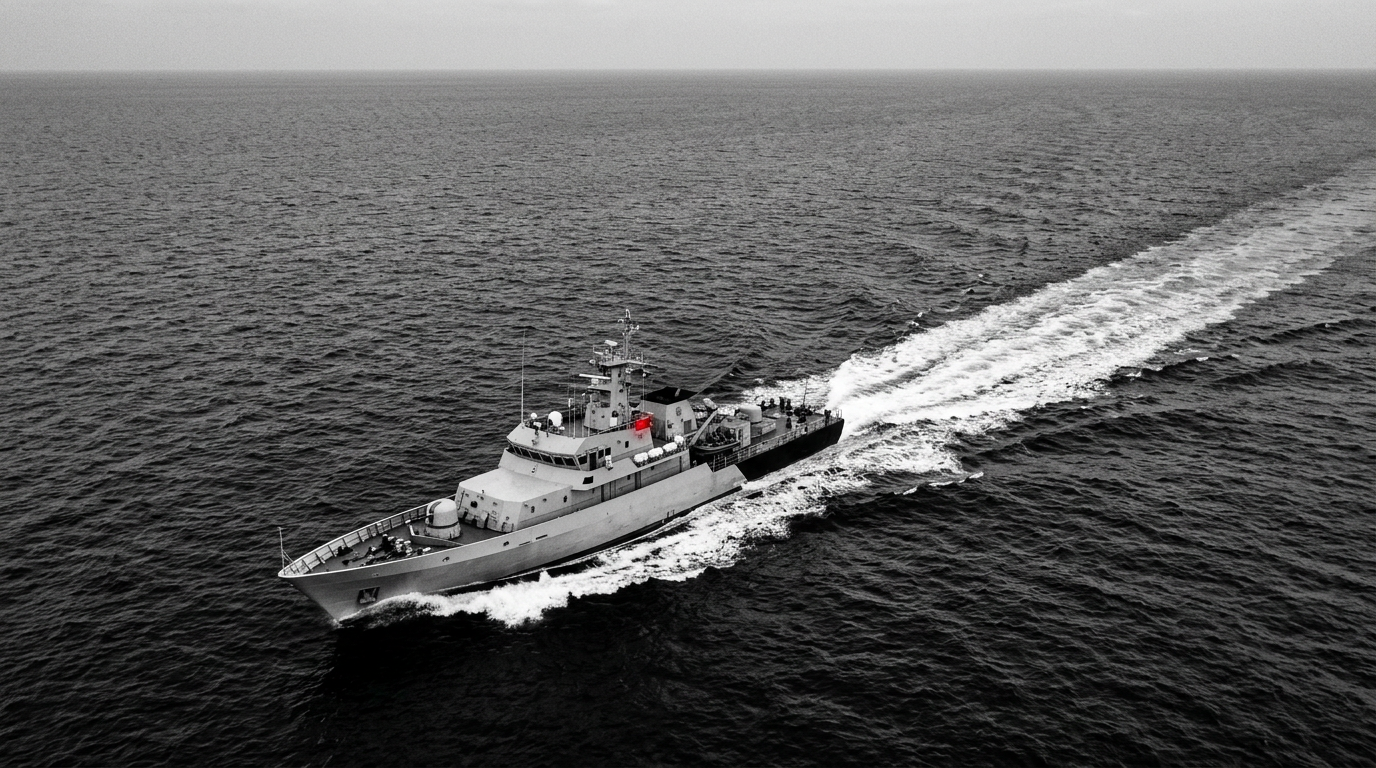
Iran officially declared a new "restricted zone" within the Persian Gulf on Monday, signaling an expansion of its maritime enforcement activities beyond the critical Strait of Hormuz. This initiative includes a warning that foreign vessels navigating the area could face interception by Iranian authorities.
According to officials, the newly established zone aims to deepen Iran's control over Gulf waters. Naval and coastguard assets are slated to conduct patrols and inspections within this expanded area. The announcement comes amidst what Iranian officials describe as a significant reduction in oil export revenues, attributing the economic pressure to ongoing foreign sanctions.
Security and Economic Rationales
The Iranian government has presented this measure primarily as a security initiative. Officials stated its purpose is to deter the seizure of Iranian-flagged shipping or any interference with its vessels. This move also implicitly reinforces Iran's claim that its tanker operations are continuing despite international sanctions. The country asserts it has adapted routing and insurance arrangements to maintain its export capabilities.
However, the lack of specific details regarding the restricted zone's operational coordinates or precise revenue figures was noted. Officials indicated that comprehensive enforcement details and navigation guidance would be published within 14 days. This upcoming information is expected to significantly influence freight routes, insurance pricing, and how regional markets assess potential supply risks in the near term.
Potential Regional and Market Impacts
Industry analysts and regional trading sources have voiced concerns that an expanded maritime enforcement posture by Iran could lead to several significant repercussions. Such measures might result in increased shipping insurance costs for vessels operating in the Persian Gulf. Additionally, it could prompt shipping companies to reroute vessels, potentially increasing freight rates for certain grades of crude oil originating from the region.
The precise boundaries of the new zone and the scope of its enforcement remain largely undefined. The delay in providing these crucial operational specifics leaves stakeholders in the shipping and energy sectors awaiting further clarification. The implementation of this new policy could reshape maritime activity and trade dynamics in one of the world's most vital energy corridors.
International Shipping Implications
The Strait of Hormuz is a narrow passage connecting the Persian Gulf to the open ocean, through which a substantial portion of the world's seaborne oil passes. Any expansion of maritime enforcement by Iran in the broader Gulf region naturally draws international attention due to the potential for disruptions to global energy supplies. The implications for international law concerning freedom of navigation in international waters will also be closely scrutinized.
As the deadline for publishing detailed guidance approaches, various governments, shipping companies, and energy traders will be assessing the practical effects on trade routes and geopolitical stability. The situation could lead to heightened tensions if the enforcement measures are perceived as overly aggressive or infringe on established international maritime practices.