Sudanese Military Faces Allegations of Chemical Weapon Development
Reports suggest the Sudanese military may be developing chemical munitions, including chlorine-based weapons, amid the ongoing domestic conflict.
Lauren Collins ·
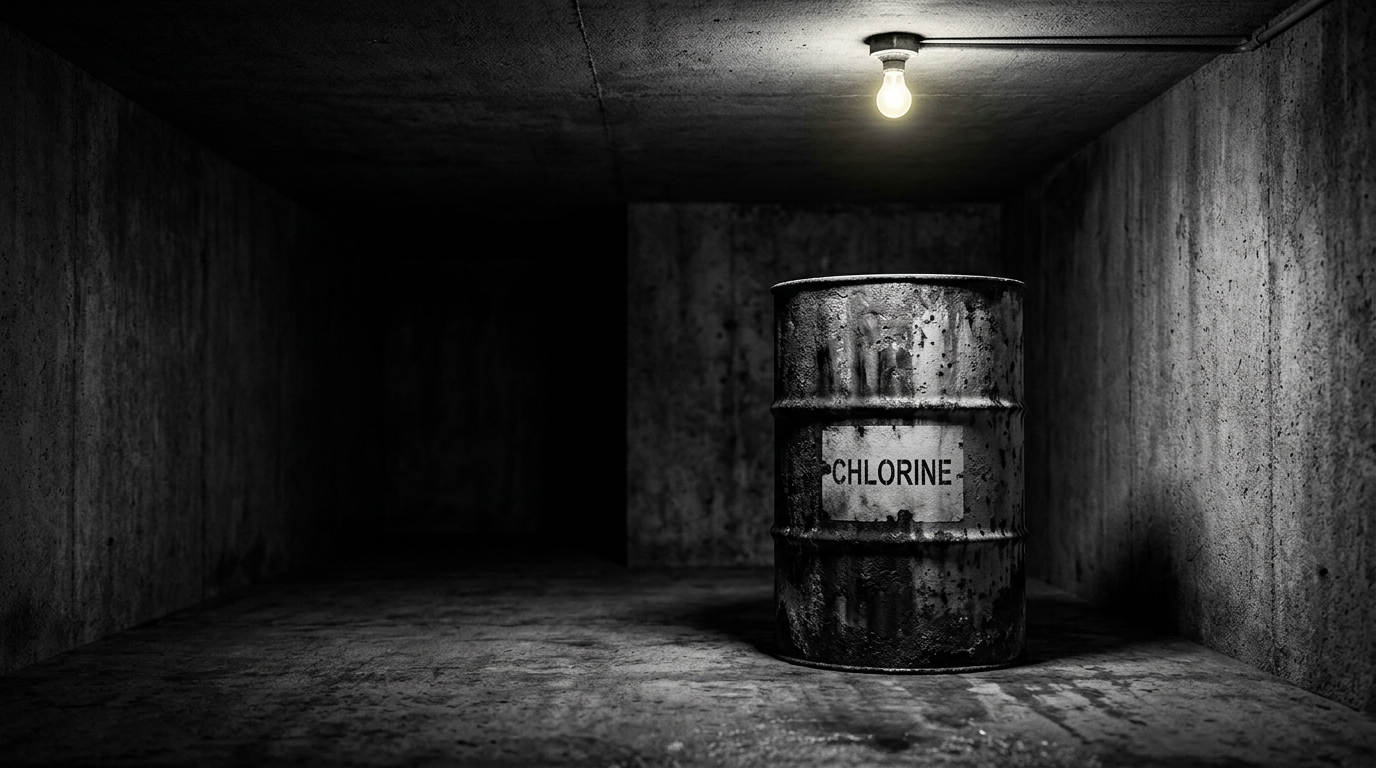
Evidence of Chemical Munitions Development
Recent documentation indicates that the Sudanese Armed Forces may be operating a clandestine chemical weapons program. Analysts reviewing these materials suggest the military has developed chlorine-based munitions intended for deployment against opposition positions.
The records reportedly detail a stockpile of approximately 290 chemical units. Furthermore, investigators have identified operational strategies that outline the potential use of these weapons in active combat zones. Estimates suggest that over 100 chlorine-based devices may have already been utilized during the current internal conflict.
Technical Capabilities and Official Denials
Technical assessments of the recovered documents highlight the development of specialized delivery systems. These designs reportedly include features intended to obscure evidence of chemical agent usage following an attack. Experts argue that these findings constitute significant indicators of a structured chemical warfare initiative.
In response to these allegations, the Sudanese government has formally denied the existence of any such program. The administration maintains that it is not engaged in the production or deployment of prohibited chemical substances.
Geopolitical and Humanitarian Implications
The emergence of these claims exacerbates an already severe humanitarian crisis within the nation. The United States continues to enforce economic sanctions against Sudanese leadership, citing concerns over the reported use of chlorine gas. These developments have intensified international diplomatic pressure on the warring parties.
The potential use of chemical weapons introduces significant legal and security risks for all involved actors. While international bodies monitor the situation, the full extent of the military's chemical capabilities remains unverified. The ongoing conflict complicates efforts to conduct independent, on-the-ground investigations to confirm the validity of these reports.