Iran allows essential goods ships through Hormuz
Iran allows essential goods vessels to transit the Strait of Hormuz to Iranian ports, Tasnim reports, after a shutdown tied to Feb. 28 attacks.
Cuneyd Erdogan ·
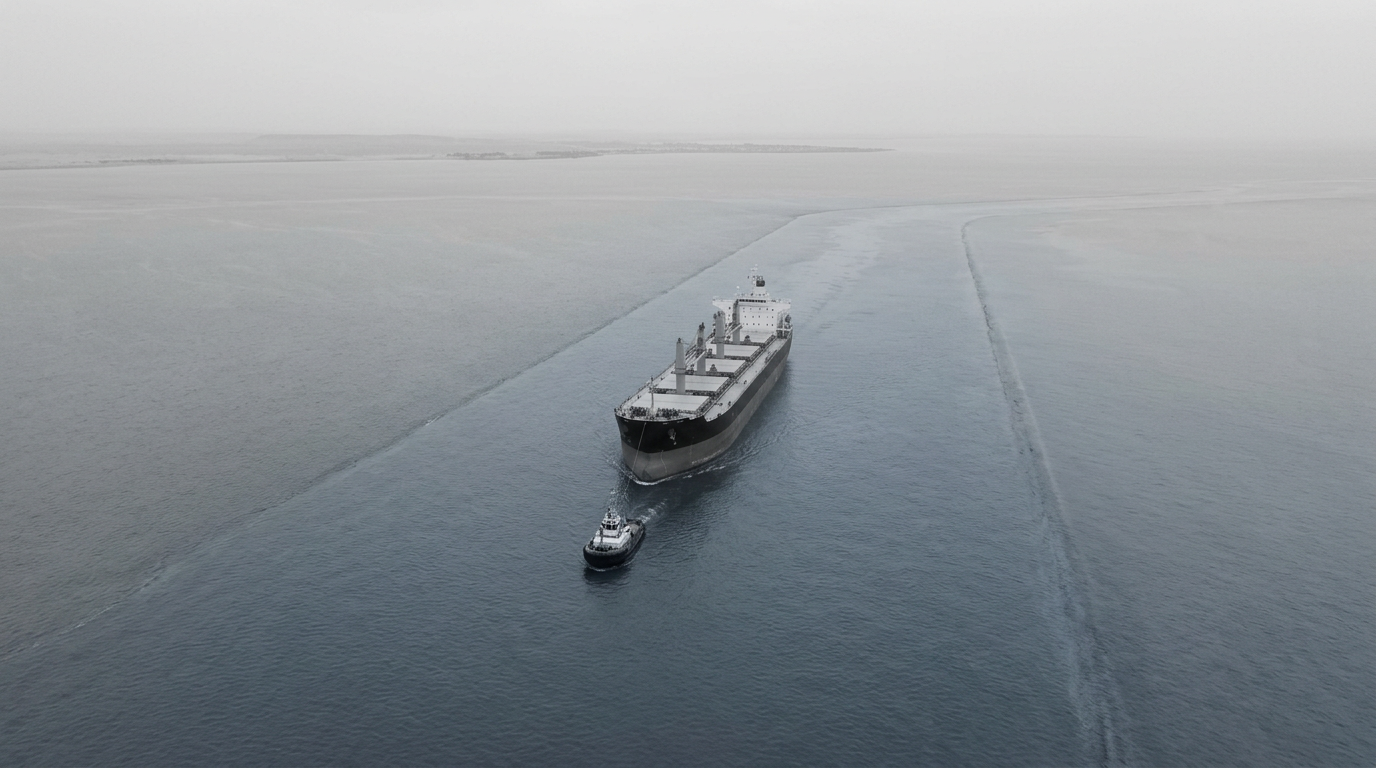
Iran has authorised vessels carrying essential goods to reach its ports by transiting the Strait of Hormuz, according to a letter cited by Tasnim news agency on Saturday. The reported authorisation applies to ships bound for Iranian ports, including vessels currently located in the Gulf of Oman, Tasnim said.
Under the instructions described by Tasnim, ships heading to Iran must coordinate with relevant authorities and follow established transit protocols to pass through the strait. The letter, as reported, sets out compliance requirements rather than a blanket, unrestricted passage, and it focuses specifically on cargoes described as essential goods.
The move comes after Iran effectively shut the Strait of Hormuz in retaliation for U.S.-Israeli attacks that began on February 28, the report said. The strait is a critical maritime corridor that normally carries about a fifth of the world’s total oil trade, making any restrictions on passage closely watched by governments, energy buyers, insurers, and shipping companies.
While the reported authorisation is limited to essential-goods shipments to Iranian ports, it signals an operational channel for certain cargoes even as broader constraints remain in place. For logistics and commodity markets, the distinction between permitted and restricted traffic can shape routing decisions, port scheduling, and the availability of basic supplies inside Iran, especially for ships already positioned in nearby waters such as the Gulf of Oman.
At the same time, the report leaves key details unclear, including how Iranian authorities define “essential goods,” which agencies are responsible for coordination, and how quickly permissions are granted. It is also not specified whether the procedures apply only to Iranian-flagged vessels, to all ships carrying qualifying cargoes, or to particular operators, and the letter’s full text was not provided in the cited account.
Internationally, the Strait of Hormuz remains central to global energy and trade flows, and any changes to transit conditions can have cross-border effects for shipping lanes, freight costs, and energy supply planning. The reported guidance underscores that, even amid heightened regional tensions linked to the February 28 start of U.S.-Israeli attacks referenced in the report, Iran is setting out a mechanism for some maritime movements to continue under specified protocols.