Infantino apologises as Fifa board defends presidency role
Fifa backed Gianni Infantino after he apologised for errors in a shelved investor plan that drew criticism from Uefa and internal officials.
Mehmet Şahinoğlu ·
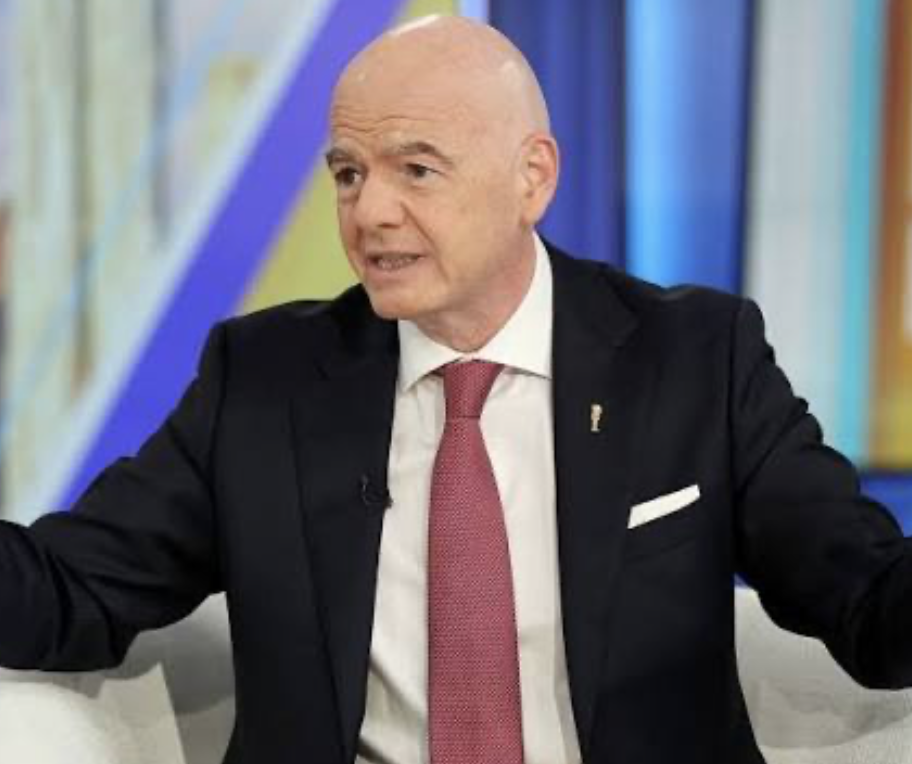
Fifa backed Gianni Infantino after he apologised for errors in a stalled private-investment plan, easing an immediate leadership crisis.
The support came after Infantino called senior executives to Fifa’s Africa office in Rabat on Wednesday. Four hours after the meeting ended, the governing body issued a statement saying its management board had reaffirmed backing for him as president.
The dispute centred on Fifa Forward Enterprise, or FFE, a proposed subsidiary that would have allowed outside investors into competitions including the men’s and women’s World Cups. Infantino had offered each of Fifa’s 211 member associations $40m (£30m) if they supported the plan, according to the source material.
Rabat meeting steadies Infantino
The board’s endorsement gives Infantino immediate cover after days of criticism from inside and outside the organisation. Fifa said mistakes tied to FFE had been acknowledged at the meeting, including concerns that council members and national associations felt shut out of the process.
Infantino and secretary general Mattias Grafstrom also sent a signed letter to Fifa vice-presidents, council members and the 211 associations. In it, they said they “sincerely apologise” for the errors and “commit to them not happening again”.
Grafstrom’s role is central because he had criticised the episode internally before joining the public show of unity. In a memo to staff on Tuesday, he described the situation as “a sad and reproachable series of events”, language that signalled frustration near the top of Fifa’s own administration.
Uefa challenge exposes governance rift
The sharpest external challenge came from Uefa, which said at the weekend that it had lost confidence in Infantino. The European governing body called the FFE proposal a “shabby, back room, opaque deal”, placing the dispute beyond a technical argument over financing.
For Fifa, the governance issue is as important as the money. A plan involving World Cup-related commercial assets touches the most valuable competitions under its control, while the scale of the promised $40m payments shows why national associations had a direct financial interest in the outcome.
Fifa also said errors were made after the proposal entered the public domain on July 28. That admission matters because the controversy shifted from a commercial project to a test of process: who was consulted, what was disclosed, and whether the council had enough control over a deal of this size.
World Cup assets draw pressure
The affected parties extend well beyond Infantino and Fifa executives. National federations were offered large payments, Uefa has questioned the president’s judgment, and investors interested in football assets now face a clearer political obstacle inside the sport’s governing system.
The industry signal is mixed. If Fifa can rebuild trust with its council and associations, a revised commercial structure could return with tighter consultation and clearer safeguards. If opposition hardens, any attempt to bring private capital closer to World Cup competitions may carry higher governance costs and longer approval timelines.
For Fifa itself, the near-term path depends on whether the board’s support holds under pressure from confederations and member associations. If it does, Infantino can stay in place while Fifa narrows the controversy to process failures; if it does not, the dispute could reopen questions about authority at the top of world football.
For the wider sector, the case is a warning that sports rights and tournament structures cannot be treated like ordinary private assets. Football’s governing bodies depend on political consent across regions, and that consent can become the binding constraint even when the commercial prize is large.