India’s Indo-Pacific debate shifts from security-first to trade architecture
A new debate in New Delhi argues India’s Indo-Pacific strategy will fall short if it stays focused on security partnerships and does not plug into Asia’s…
Mei Lin ·
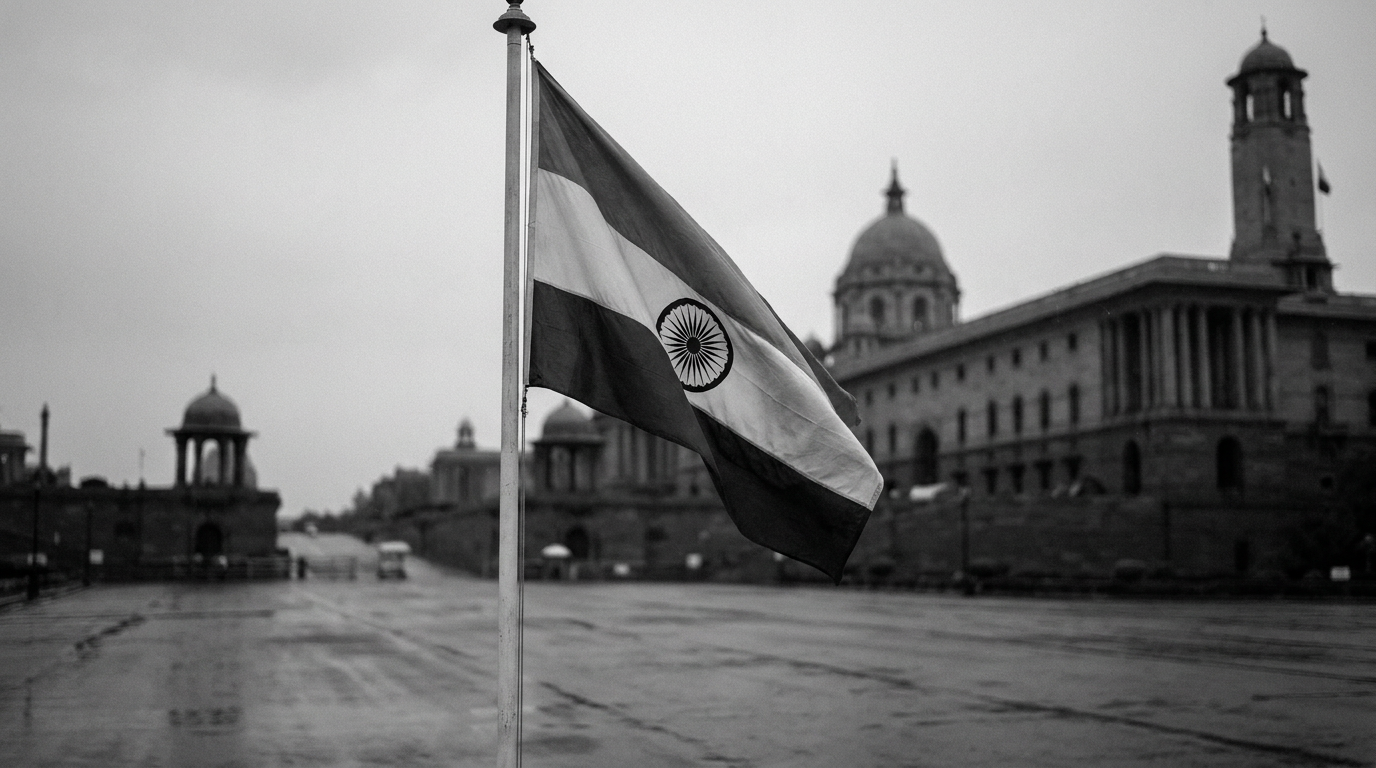
# India’s Indo-Pacific debate shifts from security-first to trade architecture
India’s Indo-Pacific strategy is facing renewed scrutiny as a fresh argument gains traction in New Delhi: security partnerships alone will not deliver the influence and resilience India wants in Asia. The core claim is that India could raise its standing by integrating more deeply with the region’s existing economic architecture, rather than treating economics as secondary to maritime and defense cooperation.
India’s current Indo-Pacific posture has been most visible
India’s current Indo-Pacific posture has been most visible through security-first frameworks and defense diplomacy, including closer cooperation with like-minded partners and participation in minilateral groupings such as the Quad (Quadrilateral Security Dialogue). That approach has aimed to expand India’s strategic room to maneuver across the Indian Ocean and into the Western Pacific.
The economic side of Asia’s regional order, however, is increasingly organized around large trade and standards-setting blocs. These include RCEP (Regional Comprehensive Economic Partnership) and CPTPP (Comprehensive and Progressive Agreement for Trans-Pacific Partnership), as well as ASEAN-led initiatives anchored by ASEAN (Association of Southeast Asian Nations). India’s engagement with these frameworks has been cautious, shaped by domestic political economy concerns and past reluctance to bind itself to large multilateral trade deals.
If India remains outside major regional economic architectures, its Indo-Pacific strategy risks becoming unbalanced: strong on signaling and coordination, weaker on market access, supply-chain integration, and rule-setting. In practical terms, trade architecture shapes where factories invest, how components move, what standards dominate, and which currencies and payment rails become habitual for cross-border commerce.
New Delhi
The spillover is not only regional. A more economically integrated India could change the competitive dynamics between the United States and China in Asia by giving firms and governments a larger third pole for investment diversification and supply-chain redundancy. Conversely, if India stays primarily security-focused while Asia’s economic blocs deepen, New Delhi could find itself coordinating on maritime stability while competing at a disadvantage on trade rules, digital standards, and industrial networks.
By 2024-08-10, watch for statements from senior Indian government officials, especially the Ministry of External Affairs and the Ministry of Commerce, that explicitly signal renewed interest in joining or re-engaging major regional economic blocs such as RCEP or CPTPP members, or the announcement of new multilateral trade initiatives beyond bilateral deals. The call is right if India begins formal or informal talks tied to these bloc-centered architectures, or publicly reframes its Indo-Pacific policy around market access and integration commitments. The call is wrong if there is no discernible shift in official messaging and policy, and India continues to prioritize bilateral agreements while avoiding bloc-linked commitments.