Moscow region hit by drones as Ukraine widens strikes on Russia’s rear
At least three people were killed and five wounded in the Moscow region after drone attacks, Governor Andrey Vorobyov said, underscoring how the war is…
Claire Dubois ·
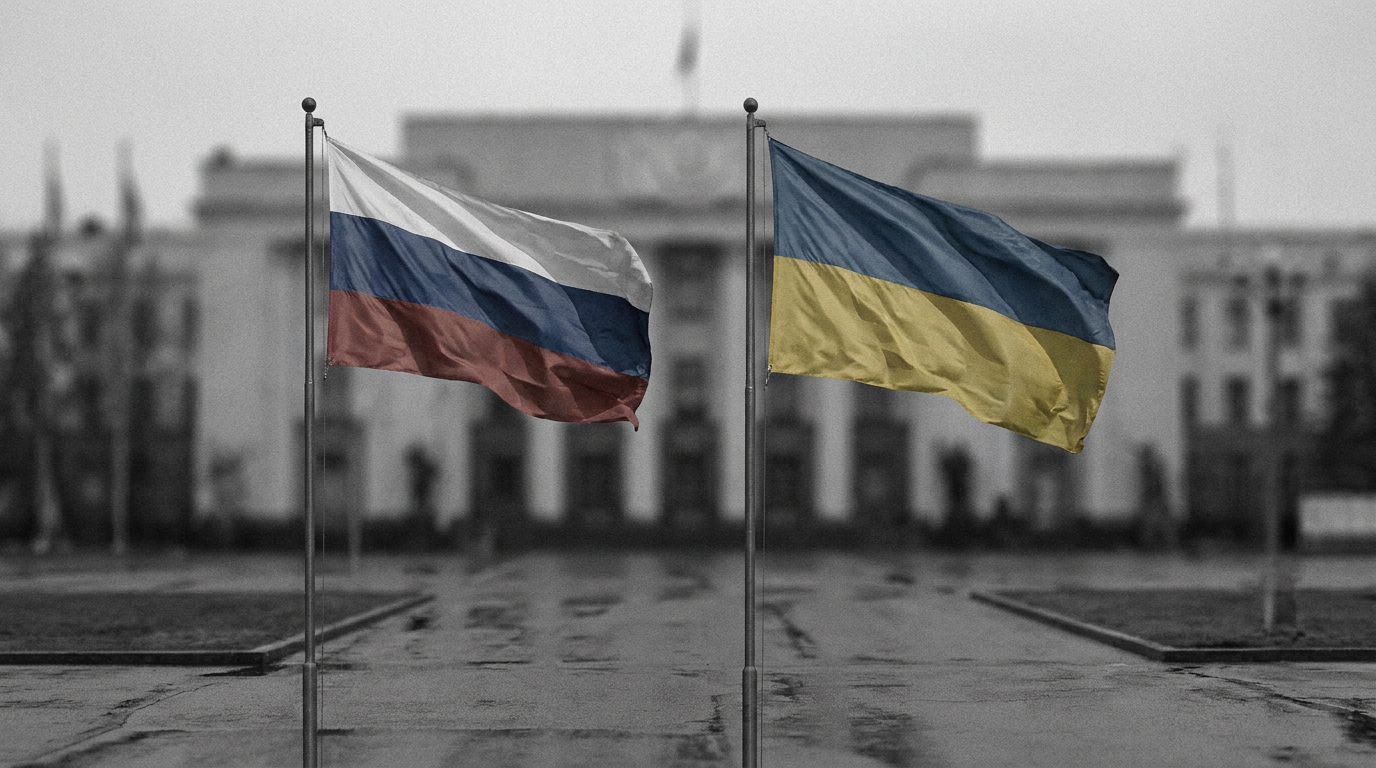
Drone attacks killed at least three people and injured five others in the Moscow region on Monday, according to Andrey Vorobyov, the region’s governor, in a post on Telegram. The incidents come as Ukraine has intensified long-range strikes on targets inside Russia, including energy infrastructure, while Moscow continues aerial barrages on Ukraine.
The European Central Bank (ECB) has spent much of the past two years balancing inflation control with financial stability risks, especially when geopolitical shocks threaten energy supplies and confidence. In the euro area, that trade-off matters because energy price swings feed quickly into the Harmonised Index of Consumer Prices (HICP), the bloc’s headline inflation gauge.
Fiscal policy is set mainly by national governments, but it is constrained by EU-level rules and market discipline. When shocks raise borrowing costs unevenly across member states, the ECB can lean on tools designed to prevent destabilising market moves, including the Transmission Protection Instrument (TPI), a backstop to counter “unwarranted” spread widening, and Outright Monetary Transactions (OMT), a conditional bond-buying programme linked to an EU adjustment programme.
What it means for the euro area
An escalation that pushes energy risk higher can show up first in European gas and oil pricing, then in inflation expectations, and finally in rate-path pricing. If markets begin to price a renewed energy-driven inflation impulse, the ECB’s room to cut rates could narrow, even if growth momentum is soft.
For sovereign debt, the key stress point is fragmentation: the spread between German Bund yields and higher-debt sovereigns such as Italy’s BTPs. A growth hit combined with higher inflation risk is an awkward mix for policymakers and can tighten financial conditions through wider spreads and higher bank funding costs, especially in countries where banks hold large domestic sovereign portfolios.
By 2026-07-31, watch whether European energy markets show a sustained risk premium linked to the conflict’s widening strike radius: if wholesale gas and oil benchmarks rise and stay elevated, the ECB’s inflation fight could remain constrained; if energy pricing fades quickly, the macro impact is more likely to stay contained to sentiment and risk assets rather than the euro-area rate path.