India Offered Sanctuary to Iranian Ship Before US Action
India offered sanctuary to an Iranian ship three days before US forces sank it, highlighting complex Red Sea geopolitical dynamics.
Cuneyd Erdogan ·
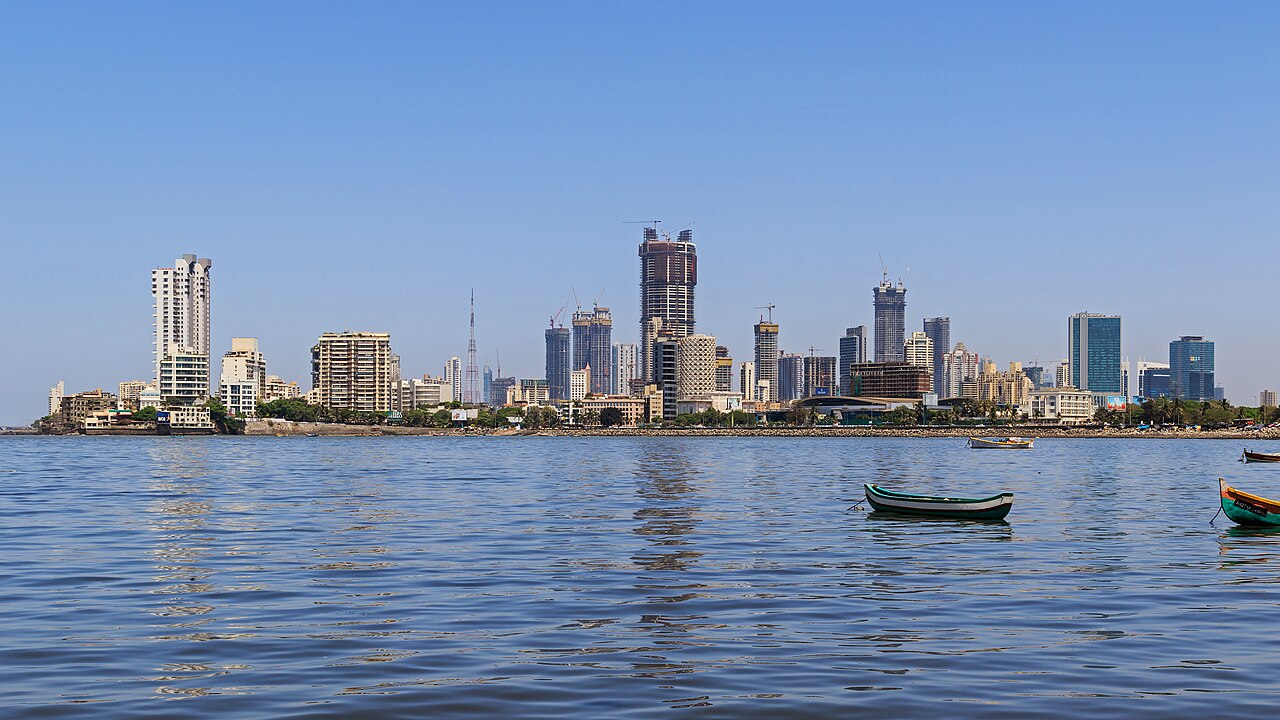
India extended an offer of sanctuary to an Iranian vessel three days prior to its sinking by United States forces. This diplomatic overture, made in the context of heightened tensions in the Red Sea, aimed to provide safe harbor for the ship, which was reportedly experiencing mechanical issues. The incident underscores the complex geopolitical dynamics and maritime security challenges in the region.
Geopolitical Context and Maritime Security
The Red Sea and surrounding waterways have become a focal point for international maritime security concerns, particularly since late 2023. Houthi rebels, based in Yemen, have launched numerous attacks on commercial shipping, citing solidarity with Palestinians in Gaza. These actions have disrupted global trade routes, forcing many shipping companies to reroute vessels around the Cape of Good Hope, significantly increasing transit times and costs.
US Naval Operations in the Red Sea
In response to the Houthi attacks, the United States, alongside allies, established Operation Prosperity Guardian in December 2023. This multinational initiative aims to protect commercial shipping and deter further aggression in the Red Sea and Gulf of Aden. US naval assets, including destroyers and aircraft carriers, have been actively engaged in intercepting missiles and drones, and in some instances, directly engaging Houthi targets.
India's Diplomatic Engagement
India, a significant maritime power with substantial trade interests in the region, has maintained a nuanced diplomatic stance. While condemning the Houthi attacks, New Delhi has also sought to protect its economic ties and maintain channels of communication with various regional actors. The offer of sanctuary to the Iranian ship highlights India's independent foreign policy approach and its role as a potential mediator or humanitarian actor in complex maritime situations.
The Iranian Vessel and US Intervention
Details surrounding the specific Iranian ship remain limited, but reports indicate it was experiencing distress. The US military's decision to sink the vessel suggests it was perceived as a direct threat or involved in activities deemed hostile. This action occurred despite India's prior offer, indicating a potential divergence in threat assessment or strategic priorities between the two nations regarding the specific vessel.
International Law and Naval Engagements
Naval engagements in international waters are governed by complex international laws, including the United Nations Convention on the Law of the Sea (UNCLOS). The right of self-defense and the protection of commercial shipping are key considerations. However, the sinking of a vessel, particularly one that may have been in distress and offered sanctuary, raises questions about the proportionality of force and the coordination of international responses.
Implications for Regional Stability
The incident could further complicate regional stability and international relations. It highlights the challenges of de-escalation in a volatile environment and the potential for miscalculation. The differing approaches of major powers like India and the United States underscore the fragmented nature of the international response to the Red Sea crisis, potentially impacting future diplomatic efforts and maritime security strategies.
Implications
Country Impact: The incident could strain diplomatic relations between India and the United States, particularly regarding maritime security cooperation and differing approaches to regional crises. It also underscores India's independent foreign policy stance in a complex geopolitical landscape.
Industry Impact: Increased maritime risks in the Red Sea continue to impact global shipping and insurance industries, leading to higher freight costs and longer transit times. The incident may prompt further re-evaluation of shipping routes and security protocols.
Market Impact: Global energy markets could experience continued volatility due to disruptions in key shipping lanes, potentially affecting oil and gas prices. Geopolitical tensions in the Middle East generally contribute to market uncertainty and risk aversion.