India Considers Advanced Russian S-500, Su-57 Systems
India is exploring the acquisition of Russian S-500 air defense systems and Su-57 fighter jets following talks between leaders, aiming to boost defense…
Mateo Fernandez ·
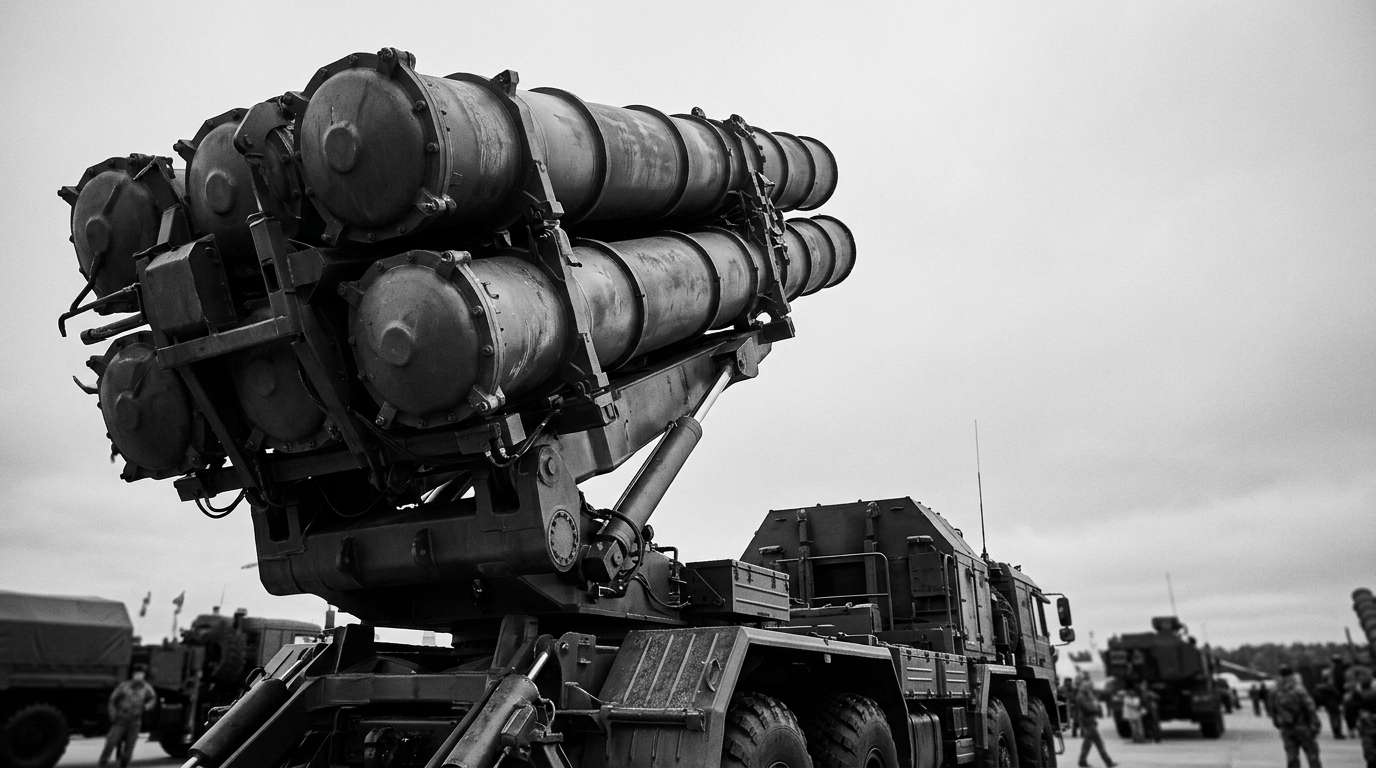
Indian Prime Minister Narendra Modi and Russian President Vladimir Putin recently engaged in discussions concerning India's potential acquisition of advanced Russian military hardware. These dialogues, held during the Shanghai Cooperation Organisation (SCO) Summit, centered on the S-500 air defense system and Su-57 fighter jets, according to officials familiar with the matter. This potential procurement could substantially enhance India's defense capabilities, though it also involves significant risks related to the purchasing process and international sanctions.
India's reported interest in these cutting-edge systems stems from a positive operational experience with the Russian S-400 system. The S-400, deployed during 'Operation Sindoor', reportedly demonstrated effective performance against aerial threats. This success has encouraged New Delhi to evaluate more advanced Russian military technologies to further strengthen its multi-layered air defense network and modernize its existing fleet of fighter aircraft, aligning with its long-term defense strategy.
Navigating Geopolitical Complexities
Officials have indicated that any prospective purchase would require careful navigation through complex diplomatic and compliance considerations. A primary concern is the potential for secondary sanctions from Western governments, a factor actively being assessed in ongoing deliberations between the two nations. Diplomats and defense strategists are evaluating not only technical aspects, such as interoperability with existing systems, lifecycle costs, and comprehensive training requirements, but also the broader geopolitical implications of such a significant defense agreement, particularly given current global tensions.
These current conversations are exploratory in nature, rather than final procurement approvals. Their purpose is to lay the groundwork for future technical, operational, and financial frameworks. Should political clearance be granted by both governments, defense suppliers would then be authorized to proceed with detailed technical exchanges to specify system requirements and integration plans for India's military infrastructure.
Future Negotiations and Strategic Context
Formal negotiations for these advanced military systems are expected to resume by September 30, 2026. Delegations from the Indian and Russian defense ministries are anticipated to conduct follow-up meetings around this timeline. These upcoming discussions will aim to refine procurement timelines, establish comprehensive pricing structures, and explore potential offset arrangements. Offset agreements are standard practice in large-scale defense contracts, designed to foster local industry participation and technology transfer, thereby benefiting India's domestic defense manufacturing sector.
India maintains a long-standing defense relationship with Russia, a connection that has historically been a cornerstone of its military procurement strategy. While India has pursued diversification in its arms imports in recent years, advanced Russian systems continue to attract interest due to their demonstrated operational effectiveness and well-established supply chains. The potential integration of S-500 and Su-57 systems into India's military arsenal would represent a substantial upgrade, with possible impacts on regional power balances and dynamics within the global defense market, reflecting India's ambition to maintain a robust defense posture.