IMF Egypt deal clears $1.6bn, pending board vote now
IMF Egypt deal advances after a staff-level agreement on two program reviews that could release about $1.6 billion once the executive board approves.
Atlas Newsdesk ·
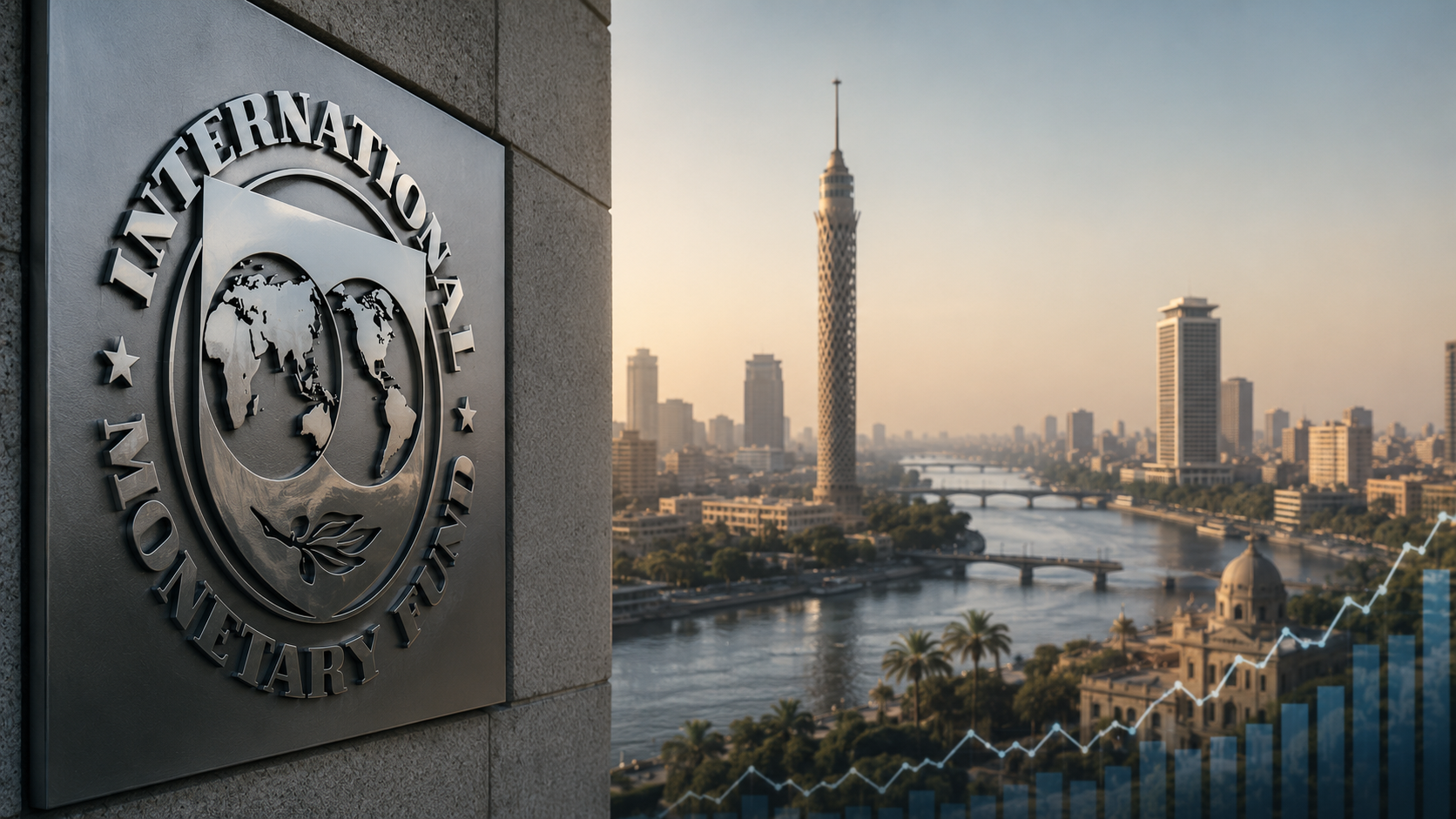
IMF Egypt deal talks moved forward after the Fund announced a staff-level agreement on two program reviews that could free up about $1.6 billion, subject to executive board approval.
The International Monetary Fund said the potential release covers roughly $1.5 billion tied to Egypt’s Extended Fund Facility and about $136 million linked to the Resilience and Sustainability Facility.
If the executive board signs off, total disbursements under the two arrangements would rise to around $7.2 billion, according to the IMF.
What the agreement covers and what happens next
A staff-level agreement signals that IMF staff and a country’s authorities have reached an understanding on policies and review conditions, but it does not itself authorize the transfer of funds.
The next step is consideration by the IMF’s executive board, which determines whether the review is completed and whether the associated disbursements can be made.
The new understanding relates to reviews of both the Extended Fund Facility, which typically supports balance-of-payments needs and macroeconomic stabilization, and the Resilience and Sustainability Facility, which is designed to help countries address longer-term structural vulnerabilities.
Regional conflict seen as contained, policy actions cited
The IMF said spillovers from the war in the Middle East have so far remained “relatively contained” for Egypt’s economy.
It credited measures it described as “timely and decisive,” including adjustments to fuel and electricity prices, steps to restrain government energy use, and shifts in spending priorities.
Those policy steps come as Egypt continues to manage external pressures and financing needs, with market sensitivity heightened by regional security developments.
Egypt’s economic outlook has also been clouded by the U.S.-Israeli war on Iran, a conflict that has added uncertainty for an economy that relies on foreign portfolio inflows for part of its financing and on gas imports for energy supply.
Growth holds up, inflation remains elevated
On activity, the IMF said real GDP growth reached 5% in the third quarter, lifting growth for the first three quarters of the fiscal year to 5.2%.
Inflation, however, remained a central challenge. The IMF cited headline urban inflation at 14.6% in May and projected it would rise to 15.8% by the end of the fiscal year.
The combination of solid growth alongside elevated inflation underscores the balancing act facing policymakers as they attempt to stabilize prices while maintaining momentum in output and employment.
For investors and Egypt’s official partners, the executive board decision will be the key near-term marker. Approval would raise cumulative IMF disbursements under the two facilities to about $7.2 billion and could influence confidence around Egypt’s near-term financing plans.
Attention will also focus on how the government implements energy pricing and expenditure measures cited by the IMF, and whether inflation follows the Fund’s projected path as the fiscal year closes.