Illinois awards $35M to ready 22 industrial sites
Illinois awards $35M to improve site readiness at 22 industrial locations, split into 11 planning and 11 capital infrastructure grants.
Mei Lin ·
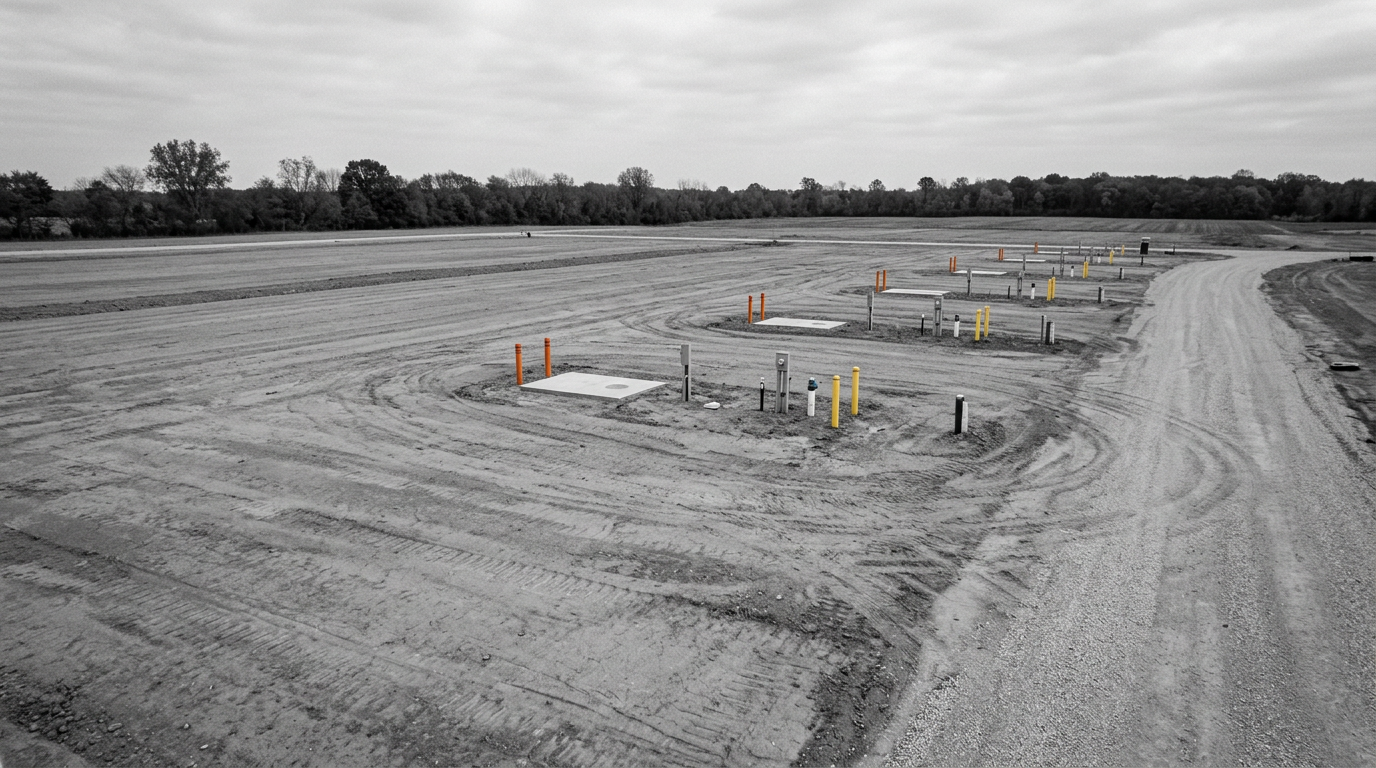
Illinois has approved $35 million in grants to prepare 22 industrial locations across the state for future development, according to Governor JB Pritzker and the Illinois Department of Commerce and Economic Opportunity (DCEO). Officials said the funding is intended to improve “site readiness” for industrial projects and reduce the time employers spend evaluating where to build.
The announcement, released through the governor’s newsroom feed, framed the effort as a way to shorten lead times by tackling early obstacles that can delay construction or complicate investment decisions. Officials did not identify individual sites or provide the specific award amounts in the material provided.
How the $35 million package is structured
State officials said the $35 million package is State officials said the $35 million package is divided evenly by type: 11 planning grants and 11 capital infrastructure grants. The planning awards are positioned to support preparatory work that can be required before a project is considered development-ready. The capital infrastructure awards are aimed at physical improvements that can make a location more viable for industrial use. In the excerpt provided, Illinois did not publish a project-by-project breakdown, leaving open questions about where the work will occur and what the intended industrial uses may be. Site readiness as a tool in state-level competition Officials described the grants as part of a wider approach used by U.S. states to compete for factory and logistics investments, particularly when companies want “shovel-ready” sites. Programs of this type typically focus on ensuring that key preconditions—utilities, permitting groundwork, and transport access—are identified or advanced before a private project commits.
Governor JB Pritzker
The source material notes that these programs often target early-stage barriers such as environmental assessments, zoning efforts, and off-site infrastructure needs. For employers, those steps can affect schedules and execution risk, especially where power upgrades, road access, or permitting timelines are unclear.
What is known—and what remains undisclosed
The information provided characterizes this as a domestic economic development measure rather than an international policy or market action. The excerpt explicitly notes there is no direct linkage to Asia-Pacific institutions or acronyms, including the People’s Bank of China (PBoC), Japan’s Liberal Democratic Party (LDP), the Reserve Bank of India (RBI), or the Association of Southeast Asian Nations (ASEAN).
While site readiness can influence speed-to-market for multinational manufacturers, including firms headquartered in Asia that operate in the U.S., the provided material does not name any companies, sectors, or foreign investors connected to the Illinois awards. Without the site list, infrastructure descriptions, timelines, and targeted industries, officials’ stated goals cannot yet be connected to specific supply chains or investment flows using verifiable details.
As described in the source, the next concrete datapoint will be whether Illinois releases a full project list with award amounts, schedules, and intended uses. Until those details are published, the scope and practical impact of the $35 million initiative on specific projects remains uncertain.
Implications
Country Impact: For Illinois, the grants are intended to reduce lead times for employers deciding where to locate industrial projects. The absence of a published site list and award-by-award details limits public assessment of which communities and project types will benefit first.
Industry Impact: For industrial developers and site selectors, planning work and infrastructure upgrades can lower early-stage friction tied to zoning, environmental assessments, utilities, and transport access. The material provided does not specify which industries are being targeted, creating uncertainty for stakeholders looking for sector-specific signals.
Market Impact: The source frames the initiative as a domestic economic development action rather than a market-moving international policy event. Without disclosed project details, there is no factual basis in the provided material to link the program to specific foreign investment flows, supply-chain shifts, or currency-market effects.