Ceuta leader says Morocco enabled mass border influx
Ceuta’s leader says Morocco allowed last week’s influx of about 50,000 people; Spain says it has returned 48,300 as tensions rise.
Atlas Newsdesk ·
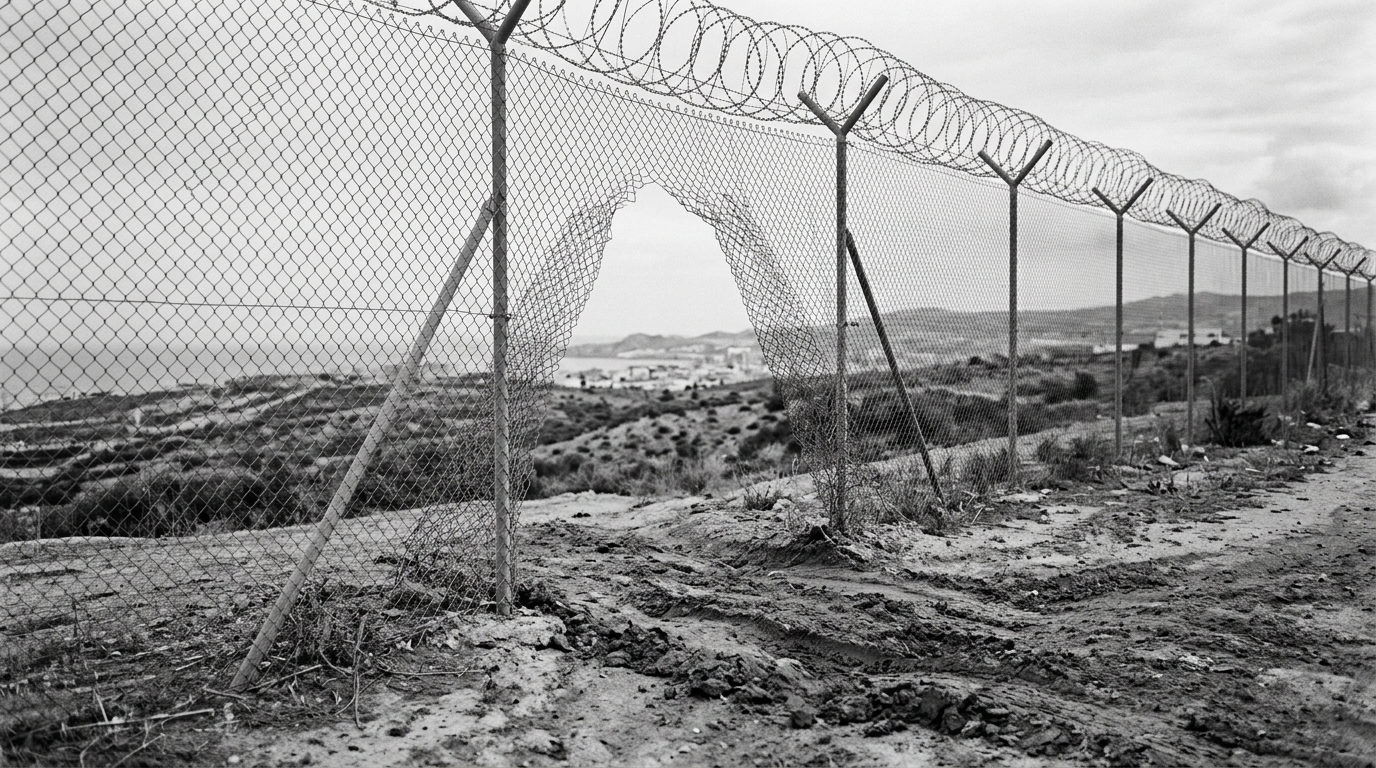
Spanish officials have accused Moroccan authorities of allowing a large-scale border crossing into the Spanish enclave of Ceuta last week, calling it a breach of territorial integrity. Juan Jesus Vivas, who leads the territory, said the movement of people was either organised or permitted by Rabat, describing it as a sharp deterioration in relations between Spain and Morocco.
Officials said about 50,000 people arrived in a short period, a volume that overwhelmed Ceuta, a city of roughly 84,000 residents. Spanish authorities mounted an accelerated response and said they have since sent 48,300 of those who crossed back to Morocco.
Ceuta overwhelmed as Spain moves to return arrivals
The sudden influx placed immediate strain on local services and prompted emergency measures as authorities sought to restore order at the border. Local officials are also managing humanitarian needs linked to the surge, while continuing efforts to locate people reported missing after the crossings.
Spanish authorities said the returns were carried out after the city’s capacity was exceeded. The scale of the movement and the speed of the response have become central to a broader political dispute over responsibility for managing the frontier.
Intelligence assessment points to reduced border surveillance
Preliminary findings cited by Spanish officials indicated that misinformation circulating on social media about deportation policies may have helped trigger the rush toward Ceuta. Officials said the same assessments suggested Moroccan border monitoring was sharply reduced or, in some areas, halted during the episode.
Spanish officials argued that the lapse in surveillance enabled thousands to bypass normal security measures. They also drew a parallel to a similar confrontation in May 2021, when a comparable border surge became a flashpoint in bilateral diplomacy.
European Union debate intensifies over Schengen security
The crisis has expanded into a wider European Union discussion about safeguarding the Schengen zone and the pressure on external borders. Some EU member states criticised Spain’s handling of the situation, while the European Commission publicly backed Madrid and underlined the need to reinforce border infrastructure.
Spanish Foreign Minister Jose Manuel Albares called for stronger EU solidarity. He pointed to the role of misinformation in amplifying reactions across the region and argued that the response should be framed as a shared European challenge rather than a purely national one.
For now, officials describe conditions as unstable, with the diplomatic dispute unresolved and local authorities still dealing with the immediate consequences of the crossings. Key uncertainties include the full sequence of events that led to the surge and whether border monitoring was reduced deliberately or due to other causes, as officials continue to assess available intelligence.