Trump says Gulf states urged halt to planned strike
Trump said Aug. 3, 2026 Saudi Arabia, the UAE, Qatar and Iran pressed him to pause a major strike as Hormuz and nuclear talks resumed.
Mateo Fernandez ·
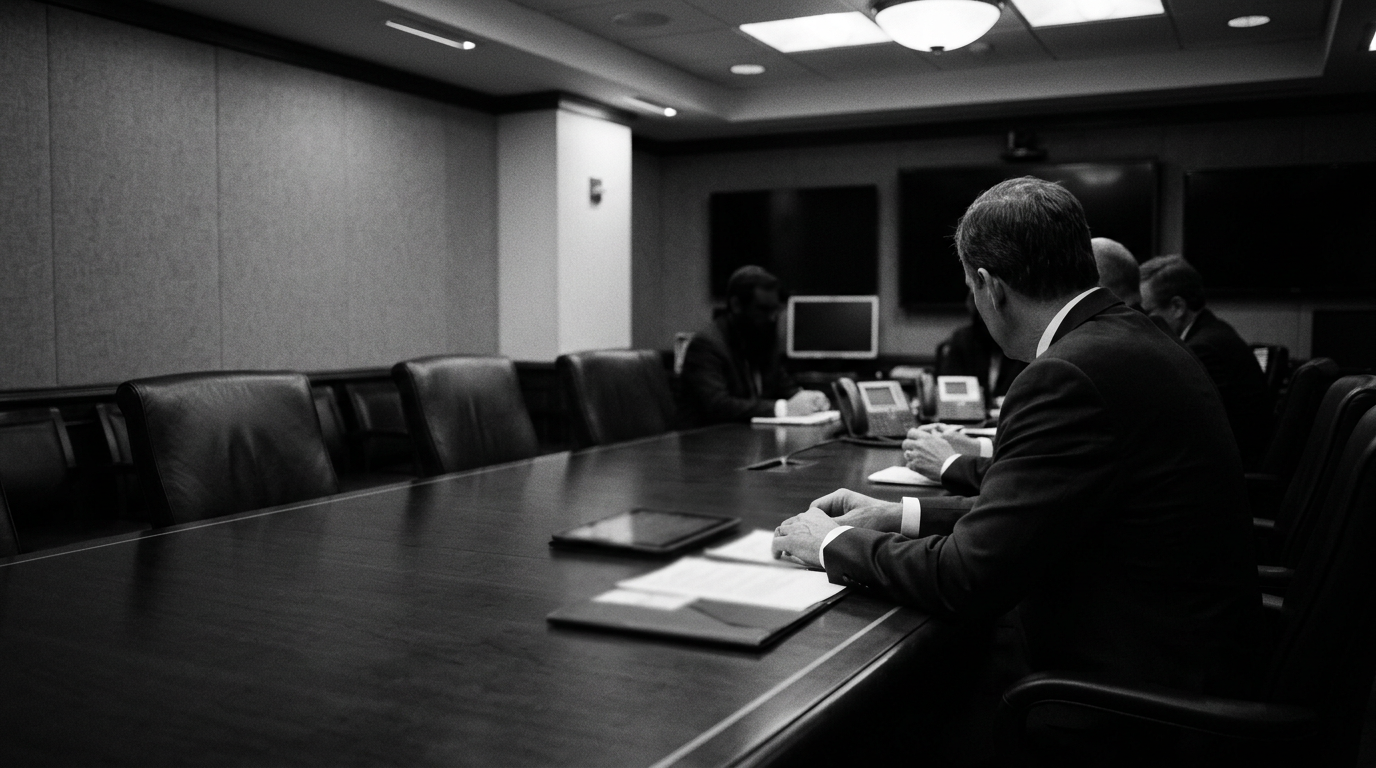
President Trump said on August 3, 2026 that Saudi Arabia, the UAE, Qatar and Iran urged him to stop a planned U.S. military strike that he described as the “biggest attack since World War II.” He said the United States paused the operation as talks restarted on nuclear issues and a possible arrangement related to the Strait of Hormuz.
Officials said the decision to pause coincided with renewed U.S.-Iran diplomatic contacts focused on nuclear restraints and regional security arrangements. Reaction from the countries involved was not immediately available.
Diplomatic appeals and the Hormuz track
In his account, Trump portrayed the moment as a coordinated diplomatic push by Gulf partners and by Iran. He said their messages, combined with the prospect of reaching an understanding on the Strait of Hormuz alongside nuclear negotiations, convinced Washington to step back from strikes.
Officials said details of any Strait of Hormuz arrangement were not disclosed. The Strait of Hormuz is a strategic waterway that has repeatedly featured in regional security discussions, and it was cited in the statements as part of the package of issues under renewed talks.
Gulf capitals positioned as crisis brokers
Trump’s remarks placed Saudi Arabia, the UAE and Qatar at the center of the de-escalation effort, while also describing Iran as a direct party making appeals. Officials said the pause aligned with revived diplomacy, suggesting the immediate focus shifted to negotiations rather than the execution of planned military action.
The public account described a crisis-management role for multiple Gulf capitals even as Tehran remains part of the negotiating process. Officials did not provide further information on the scope of the planned strike, the targets, or the specific terms sought in the diplomatic exchanges.
Near-term timeline and open questions
Officials said the coming week will be closely watched for follow-up steps. Public updates and briefings are expected by August 10, 2026, according to officials referenced in the account.
It remains unclear whether diplomacy will produce binding measures on nuclear restraints or on Strait of Hormuz-related security arrangements by that date. Officials have not disclosed what benchmarks would determine whether the U.S. pause continues, whether operational planning resumes, or whether the stoppage becomes a fragile period of de-escalation.