Iran executions spark mass hunger strike in Ghezel Hesar
Iran executions have triggered a mass hunger strike at Ghezel Hesar prison near Tehran, with reports of lip-sewing and families citing crackdowns.
Atlas Newsdesk ·
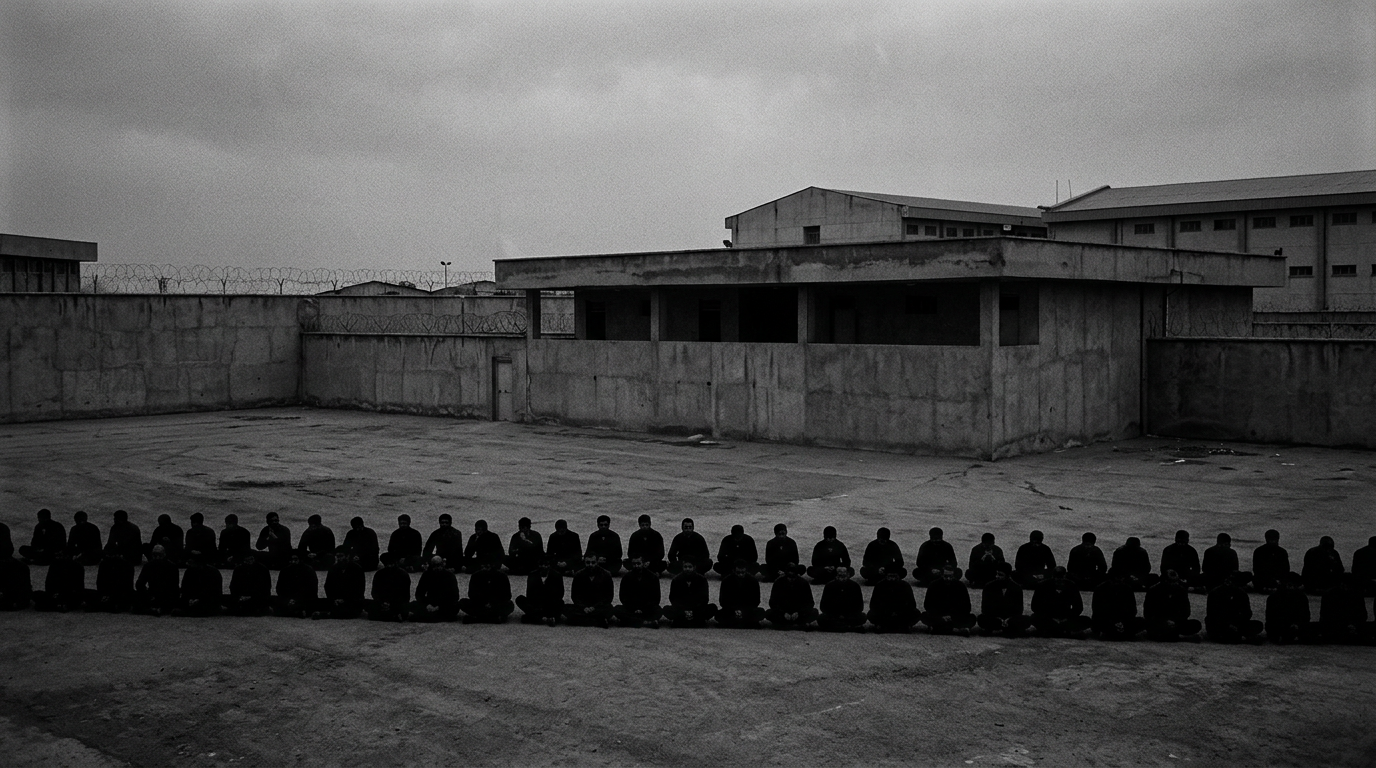
A mass hunger strike has unfolded at Ghezel Hesar prison near Tehran, where prisoners are protesting what they describe as a sharp rise in state executions. Some participants have sewn their lips shut, according to accounts tied to the protest. The action is centered on death row detainees and is framed by prisoners as an urgent appeal against imminent hangings.
The protest involves at least 1,500 inmates held on death row, and it began two weeks ago. Prisoners launched the strike after six detainees were transferred to solitary confinement in preparation for the implementation of their sentences. Activists and families say the move to solitary has heightened fears that executions could occur at any moment.
Ghezel Hesar strike linked to transfers to solitary confinement Organizers of the hunger strike have tied the timing directly to the relocation of the six prisoners. In Iran’s prison system, solitary confinement is commonly viewed by detainees and their relatives as a precursor stage before execution, making the transfer a trigger for collective action. The strike has been presented as a last-resort form of protest inside a high-security facility.
Families of incarcerated people have also reported a tense environment outside the prison. Relatives who demonstrated near the facility said authorities responded with violent crackdowns. Those reports add to concerns that the strike could prompt reprisals against participants inside the prison.
Iran Human Rights data points to higher execution tempo The protest is taking place amid a broader increase in capital punishment, according to Iran Human Rights, an Oslo-based organization that tracks executions. The group said at least 424 people have been executed in Iran so far this year. The figures are cited by campaigners as evidence of an accelerating pace of hangings.
According to the same data, most of the recorded executions involve drug-related charges. The total also includes 26 people convicted in connection with anti-government protests. The strike’s organizers and supporters have linked their demands to this wider pattern, arguing that the current cycle has created a heightened risk for prisoners across the system.
Due process concerns and calls for outside pressure
Rights groups and legal experts have described Iran’s judicial process in capital cases as lacking due process. They say proceedings can rely on confessions obtained under duress, a claim frequently raised in death penalty criticism. Within the prison, protesters are using the hunger strike to challenge the legitimacy of the process that led to death sentences.
Supporters of the strike say prisoners are seeking international intervention to raise the political cost of further executions. At the same time, the situation remains volatile, with the risk of retaliation cited as an immediate concern and the timing of any planned executions unknown. The standoff continues as families and advocates press for attention to the detainees placed in solitary confinement.