Iran-Oman Strait of Hormuz Reopening Plan Discussed
Iran-Oman talks weigh a managed Strait of Hormuz reopening after effective closure since February, with roles split and key conditions unresolved.
Lauren Collins ·
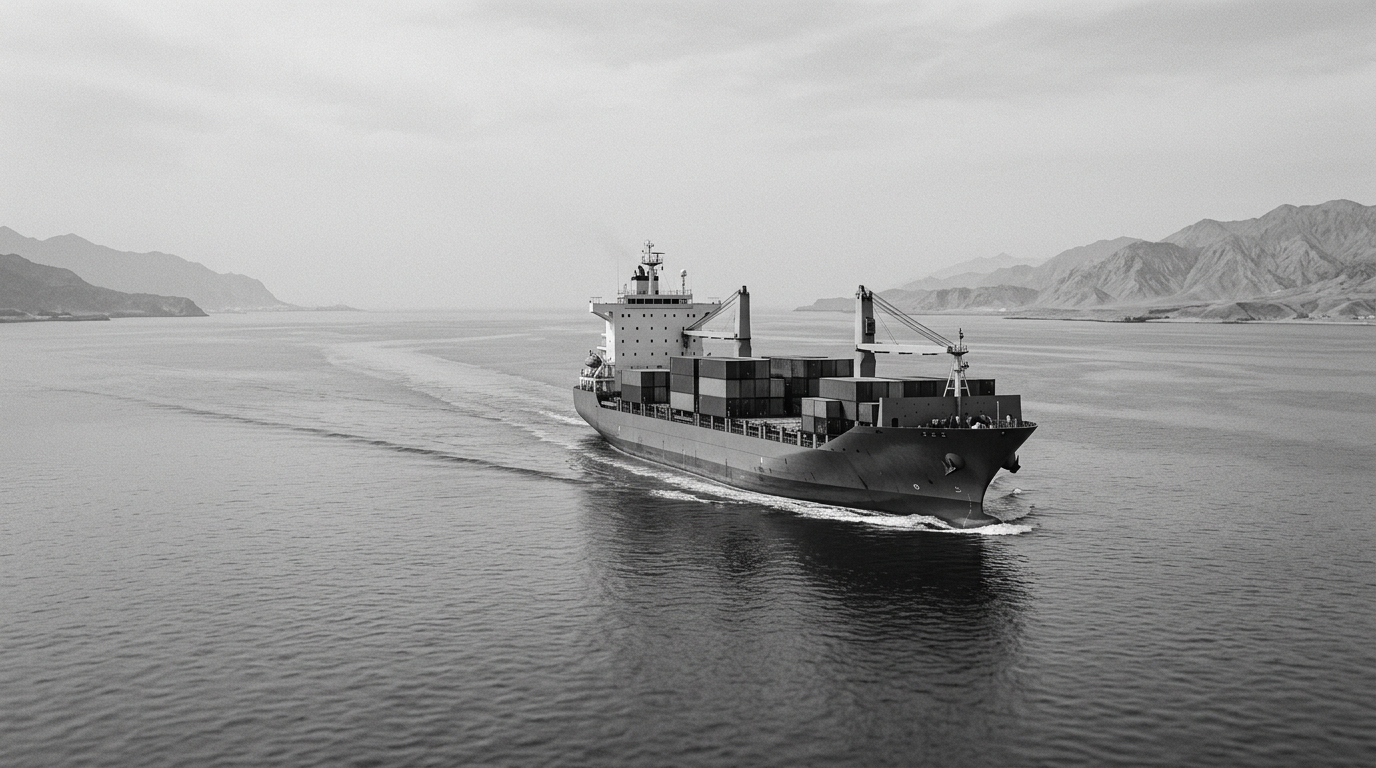
Iran and Oman are in talks on a bilateral framework aimed at reopening the Strait of Hormuz, officials and shipping data indicate, after the corridor has been effectively closed since February. The waterway is a key route for energy shipments, and officials have linked the discussions to broader technical and political conditions that are not yet resolved.
According to accounts of the negotiations cited in the report, the draft would replace open international transit with a managed system that divides responsibilities for inbound and outbound movements between the two countries. Officials have not detailed how the arrangement would function day to day, leaving the timing and practical authority over vessel movements uncertain.
Draft framework would split inbound and outbound oversight
Under the model under discussion, Tehran would have greater authority over vessels entering the strait, while Oman would take responsibility for outbound traffic, according to the reported descriptions of the talks. The proposed change would alter how commercial shipping accesses the waterway by shifting from an open transit route to a controlled regime.
The report did not specify how inspections, clearances, or routing decisions would be carried out. Those gaps make implementation mechanics a central unresolved issue, even if negotiators agree on the broad division of responsibilities.
Officials also tied any move from disruption toward controlled passage to diplomatic progress and improved regional maritime security. Without those breakthroughs, the draft would remain a framework rather than an operating system that commercial carriers could rely on for predictable transit.
US measures and unresolved disputes cloud timing
One condition cited in the discussions is the potential lifting of United States blockades on Iranian ports, which sources said could shape whether reopening can proceed as planned. The negotiations, as described, are therefore linked not only to bilateral technical details but also to political constraints beyond the immediate strait-management design.
U.S. officials have characterized the talks as moving toward an imminent resolution. Iranian sources, however, have indicated that major disputes remain, leaving the timeline and the extent of operational authority unsettled.
Regional instability keeps shipping risks elevated
Officials said wider instability is affecting maritime activity on nearby routes as the Iran-Oman discussions continue. Houthi forces have kept targeting Saudi oil tankers, adding to risks for commercial operators and insurers.
The report also cited renewed hostilities between Israeli forces and Hezbollah in southern Lebanon as a factor that could threaten broader ceasefire efforts. Shipping data referenced in the report showed traffic dropping sharply through both the Strait of Hormuz and the Bab-el-Mandeb strait.
The Strait of Hormuz has historically carried about 20 percent of global oil and gas supplies, making any sustained disruption significant for energy logistics. For now, the repoSources said any reopening remains conditional on settling technical mechanics, addressing political constraints, and stabilizing security conditions before traffic could shift from disruption to controlled flows under an Iran-Oman arrangement.
Key next signals, the repoSources said, include whether negotiators can finalize the operational rules for the inbound and outbound oversight model and whether U.S. measures affecting Iranian ports change in the way the parties say is required for reopening.