IDF Evacuation Notice Issued for Tabriz Industrial Zone
IDF issued an evacuation notice for an industrial zone in Tabriz, Iran, on March 13, 2026, amid escalating regional tensions and military actions.
Lauren Collins ·
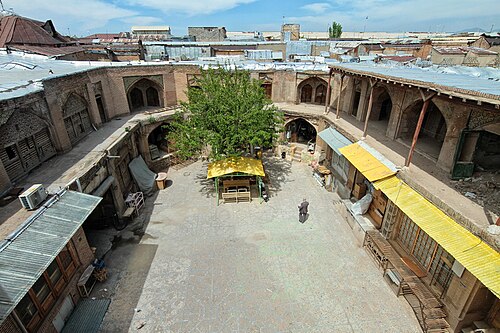
The Israel Defense Forces (IDF) recently issued an evacuation directive for an industrial area located in Tabriz, Iran. This action, which took place on March 13, 2026, signals a potential escalation in the ongoing regional tensions across the Middle East.
This development follows a series of significant military actions and threats. Iran had previously launched a missile barrage targeting central and northern Israel, as well as the West Bank. Simultaneously, the United States conducted an aerial bombing raid on Iran's Kharg Island, a critical oil export terminal.
Regional Military Engagements Intensify
Further complicating the regional security landscape, a missile strike impacted a helicopter pad situated within the U.S. Embassy compound in Baghdad, Iraq. These incidents collectively underscore a period of heightened military activity and geopolitical instability.
Iran's unified combatant command, representing its armed forces, issued a stern warning. The command stated that any assault on Iran's oil and energy infrastructure would provoke retaliatory strikes against energy assets belonging to oil companies collaborating with the United States in the region.
Escalating Threats and Diplomatic Reactions
Prior to these events, an Israeli airstrike in southern Lebanon reportedly resulted in the deaths of 12 medical personnel at a healthcare facility. This incident further fueled the cycle of violence and reprisal in the area.
Hamas, a Palestinian militant group, publicly urged Iran to refrain from targeting neighboring Arab states in any retaliatory actions. This appeal highlighted concerns about broader regional destabilization and emphasized the concept of regional solidarity among Arab nations.
Geopolitical Context and Future Outlook
The current situation reflects a complex interplay of military posturing, economic threats, and diplomatic maneuvering. The IDF's evacuation notice for Tabriz, a major industrial hub in northwestern Iran, suggests a potential for direct military engagement or a significant escalation of conflict.
Analysts are closely monitoring the responses from various regional and international actors. The focus remains on whether these actions will lead to de-escalation or further intensify the already volatile security environment in the Middle East, particularly concerning critical energy infrastructure and international shipping lanes.
Implications
Country Impact: The escalating tensions could destabilize countries across the Middle East, particularly Iran, Israel, Iraq, and Lebanon, potentially leading to broader regional conflicts and humanitarian crises. Governments may face increased internal pressure and external security threats.
Industry Impact: The energy sector faces significant risks, with Iran threatening retaliation against oil companies collaborating with the U.S. This could disrupt global oil supplies, increase energy prices, and impact investment in regional energy infrastructure. Shipping and logistics industries in the Persian Gulf are also at heightened risk.
Market Impact: Global financial markets are likely to react with increased volatility, particularly in oil and gas futures. Equity markets in affected regions could see declines, while safe-haven assets like gold and government bonds might experience increased demand. Investor confidence in the Middle East could significantly diminish.