Trump Adviser Urges Iran Conflict De-escalation
A Trump adviser, David Sacks, urged the U.S. to disengage from the Iran conflict, citing market benefits and escalation risks.
Lauren Collins ·
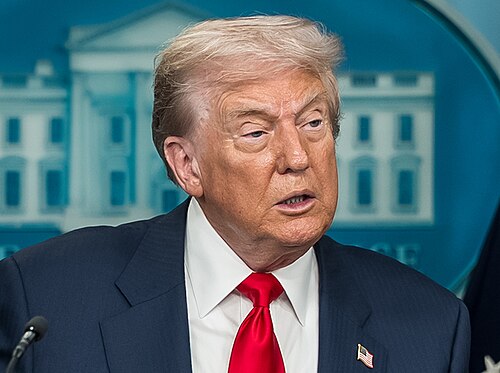
A prominent adviser to Donald Trump, David Sacks, has publicly called for the United States to withdraw from its ongoing conflict with Iran. Sacks, who serves as Trump's AI and crypto policy lead, suggested during a recent podcast appearance that declaring victory and disengaging would benefit global markets.
This statement from Sacks, a venture capitalist known for his critical stance on foreign interventions, highlights potential internal disagreements within Trump's political circle regarding Middle East policy. His remarks contrast with previous statements from former President Trump, who once indicated the conflict could persist indefinitely, though he later suggested a swift resolution was possible.
Concerns Over Escalation
The adviser also raised the specter of nuclear escalation if the conflict were to continue for an extended duration. His intervention underscores a broader debate within U.S. foreign policy circles concerning the strategic direction and potential consequences of military engagement in the Middle East.
Policy Divergence within Trump's Orbit
This internal discussion points to the complexities and differing perspectives on how the U.S. should manage its relationship with Iran. The economic implications of prolonged conflict, particularly for energy markets, are a key concern for those advocating for a swift exit.
Historical Context of US-Iran Tensions
These actions led to increased military posturing and proxy conflicts in the region. The debate over U.S. strategy often revolves around balancing national security interests, regional stability, and global economic impacts, especially concerning oil supplies and shipping lanes in the Strait of Hormuz.
Outlook on Future Policy
Implications
Country Impact: The U.S. faces internal policy debates regarding its engagement with Iran, potentially signaling a shift towards de-escalation under future administrations. Iran's regional posture and economic stability could be significantly impacted by any changes in U.S. policy.
Industry Impact: The energy sector, particularly oil and gas, faces potential volatility due to geopolitical tensions in the Persian Gulf. Any escalation or de-escalation could directly influence global supply chains and commodity prices.
Market Impact: Global financial markets, especially energy futures and related equities, are sensitive to developments in U.S.-Iran relations. Calls for de-escalation aim to reduce market uncertainty and potential disruptions.