Starmer Rejects US Iran Strikes from UK Bases
Keir Starmer rejected US requests to use UK bases for offensive strikes against Iran, later allowing defensive use, aligning with public opinion.
Lauren Collins ·
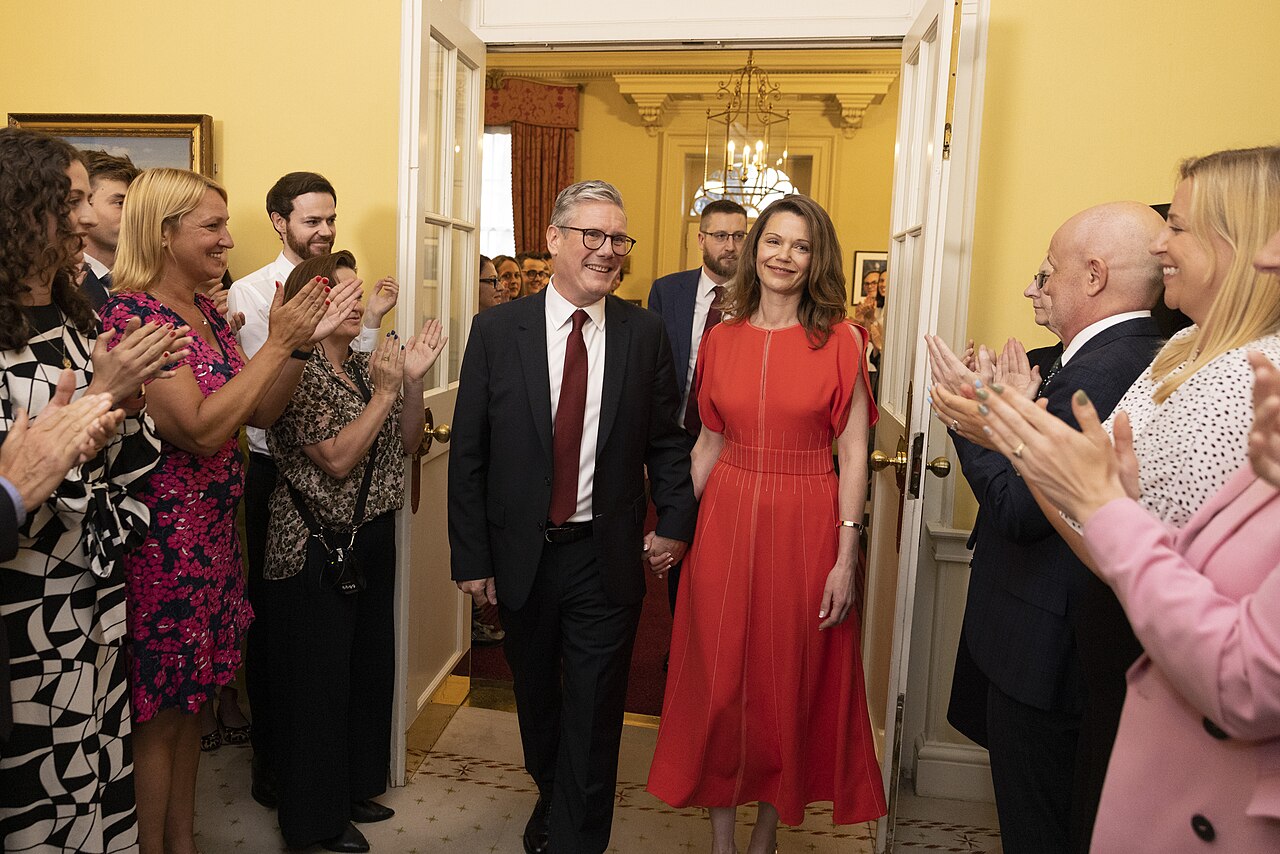
Keir Starmer, leader of the UK Labour Party, declined a request from the United States in September to use British military facilities for offensive operations against Iran. This decision, made during a state visit by then-US President Donald Trump, initially blocked the use of UK bases for pre-emptive strikes. However, Starmer later authorized their use for defensive purposes, specifically to counter potential Iranian missile attacks.
This policy stance has resonated with a significant portion of the British public. A YouGov poll indicated that 60% of Britons opposed military action against Iran, while only 25% supported it. This public sentiment appears to have influenced political figures across the spectrum.
Political Reactions and Public Opinion
Initially, some prominent figures, including Nigel Farage and Kemi Badenoch, expressed support for more robust UK involvement alongside the US. However, as public opinion solidified against military intervention and domestic economic pressures, such as rising petrol prices, became more pronounced, their positions evolved. Farage subsequently shifted his focus to internal economic issues, while Badenoch clarified her support was strictly for defensive actions.
Conversely, senior Conservative politicians, including Andrew Mitchell, criticized Starmer's initial refusal. They argued that such a decision could strain the UK's vital relationship with its closest ally, the United States, and might not serve the national interest. Despite these criticisms, Downing Street has reportedly expressed confidence in Starmer's approach, citing internal polling data that aligns with the Labour leader's position.
Strategic Considerations and Economic Linkages
The Labour Party views its stance on Middle Eastern military engagement as strategically beneficial, particularly in the context of domestic economic concerns. The party has drawn a connection between avoiding involvement in foreign conflicts and fostering economic stability at home, thereby addressing cost-of-living issues faced by British households. This approach suggests a broader strategy to differentiate Labour's foreign policy from previous administrations.
The UK's role in international security, particularly its relationship with the US, remains a central theme in its foreign policy. The decision regarding military base usage highlights the complex interplay between national sovereignty, alliance obligations, and public sentiment. Future developments in the Middle East and shifts in public opinion will likely continue to shape the UK's foreign policy direction under any future government.
Historical Context of UK-US Military Cooperation
The United Kingdom has a long history of military cooperation with the United States, including hosting significant US military assets and personnel. This partnership has been a cornerstone of Western defense strategy for decades, particularly since the Cold War. The presence of US bases in the UK, such as RAF Lakenheath and RAF Mildenhall, underscores this deep-rooted collaboration.
Decisions regarding the use of these facilities for international operations often involve intricate diplomatic negotiations and considerations of national interest and public support. This particular instance reflects a nuanced approach to an established alliance, balancing shared security objectives with domestic political and economic priorities.
Implications
Country Impact: The UK's foreign policy posture could shift towards a more independent stance on military interventions, potentially prioritizing domestic economic stability over automatic alignment with US military actions. This may redefine the nature of the UK-US 'special relationship' in specific contexts.
Industry Impact: While not directly impacting specific industries, a reduced UK military footprint in certain Middle Eastern conflicts could indirectly affect defense contractors or energy markets if regional stability changes. The focus on domestic economic issues might lead to increased investment in internal sectors.
Market Impact: The Labour Party's linking of non-involvement in foreign conflicts to economic stability could be perceived positively by markets seeking predictability. However, any perceived weakening of the UK-US alliance could introduce geopolitical uncertainty, potentially affecting investor confidence in the long term.