India Protesters Face Doxxing and Online Threats
India protesters report doxxing and threats after July 20 CJP marches, with women citing rape threats, doctored images, and exposed personal details.
Atlas Newsdesk ·
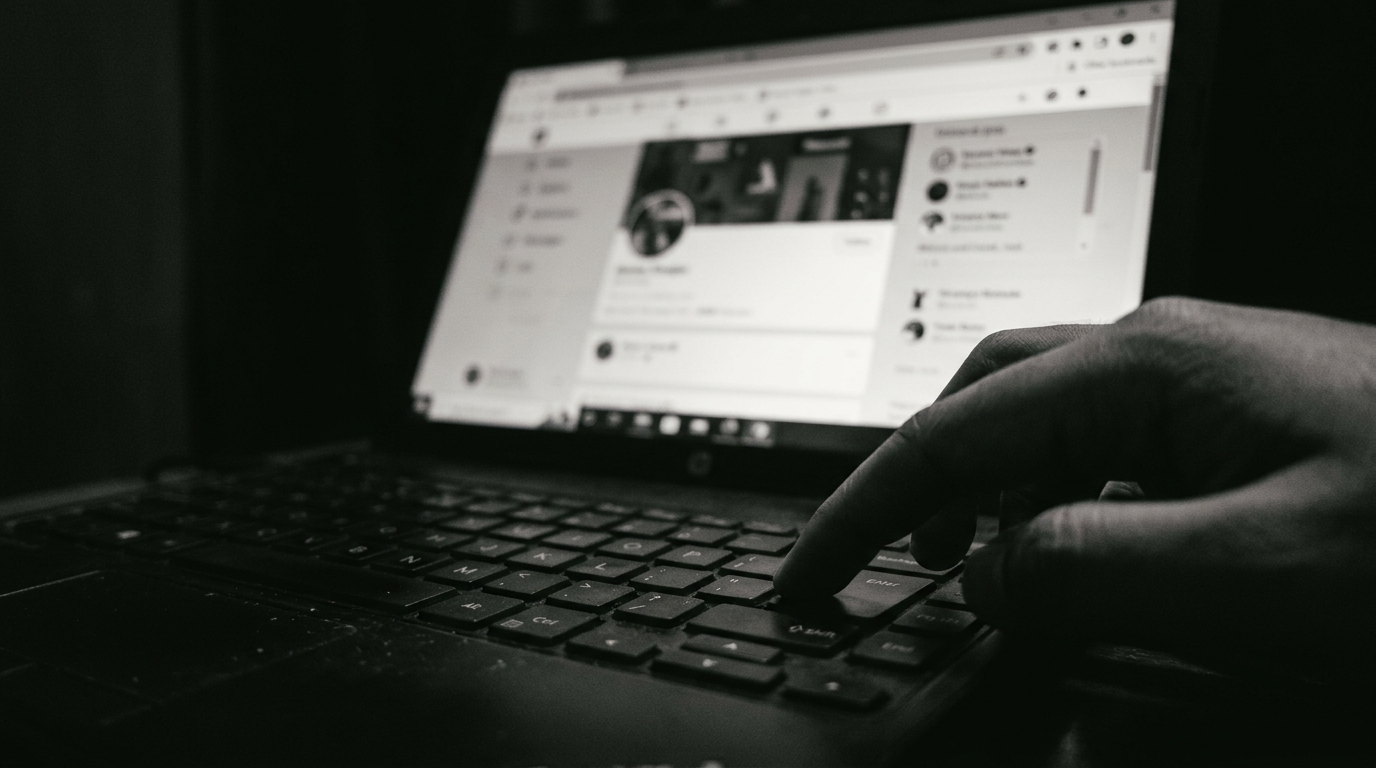
Young women involved in the Cockroach Janta Party (CJP) protests in India say they have faced a spike in targeted online abuse after taking part in recent anti-government demonstrations and sharing protest footage online.
Participants described receiving rape threats, seeing doctored images circulated using their likenesses, and having personal details posted publicly, including college information and family contact details. Protesters said the harassment followed their use of social media to organize and document marches, including posts on platforms such as Instagram.
July 20 clash near parliament
Cockroach Janta Party
The protests peaked on July 20, when crowds tried to reach parliament and police used tear gas and baton charges to disperse them. Delhi police reported that 60 protesters and 118 officers were injured during the July 20 confrontation. In the days after that event, women who appeared in viral videos or who posted clips under their own accounts said their online visibility became a point of vulnerability. They described anonymous accounts repackaging protest content and using it as a tool to intimidate them. How digital visibility becomes a tool of intimidation According to participants, the harassment often relies on identifying individuals from widely shared footage and then attaching names, schools, and relatives to those images. They said the disclosure of personal information has raised fears that online attacks could escalate into offline safety risks.
Several women said they responded by deleting accounts
Several women said they responded by deleting accounts, making profiles private, or sharply reducing what they post. Others described pressure from acquaintances to step away from political activity out of concern for family safety.
Protest participation meets online risk
The accounts from CJP participants highlight an emerging overlap between street-level political dissent and digital security, particularly for young women. Protesters said the online abuse has contributed to anxiety, self-censorship, and a narrowing of their public presence, even as social media remains central to how the movement mobilized and documented events.
While the protests were organized and broadcast through online platforms, participants said the same channels made it easier for hostile actors to target them after the demonstrations ended. The women described the result as a deterrent effect that extends beyond the individuals targeted, as peers watch the backlash and reconsider visible participation.
It remains unclear who is responsible for the threats and doxxing described by protesters. Participants said the perpetrators often use anonymous accounts, complicating efforts to identify them and increasing the sense of exposure among those who posted or appeared in widely circulated protest videos.
Implications
Country Impact: The reports show how offline demonstrations can trigger online retaliation that affects personal safety and civic participation. For young women, the fear created by doxxing and threats can translate into reduced public engagement and pressure to withdraw from political activity.
Industry Impact: Platforms used to organize and share protest content face heightened scrutiny over how viral visibility can be exploited for harassment. The complaints described by protesters underscore the operational challenge of moderating threats, image manipulation, and the sharing of personal data.
Market Impact: The allegations point to reputational and trust risks for social media services when user content becomes a vector for intimidation. Wider concerns about digital safety can also influence how people use online networks for public-facing activity, including political organizing.