War Game Highlights NATO Decision
A war game simulating a Russian attack on a NATO member exposed vulnerabilities in the alliance's political decision-making and response capabilities.
Lauren Collins ·
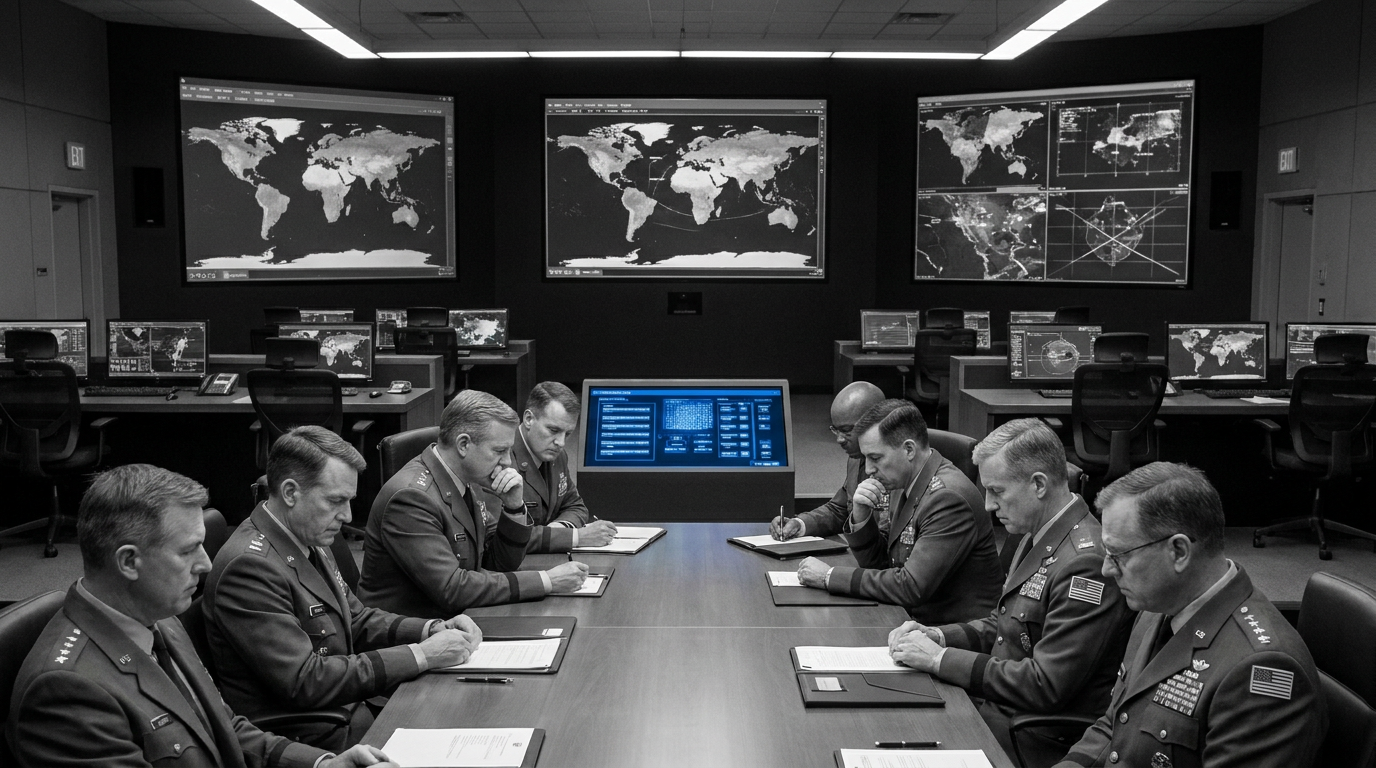
A recent war game simulated a Russian attack on a NATO member, resulting in a victory for the aggressor. The exercise, conducted at a German military college, focused on political decision-making rather than operational tactics.
The simulated scenario involved an attack on Lithuania, which reportedly overwhelmed the German government's response capabilities. This outcome suggests potential vulnerabilities in NATO's decision-making processes and alliance cohesion under duress.
The war game's findings indicate that divisions and
The war game's findings indicate that divisions and decision paralysis among alliance members could be exploited in a real-world conflict. This raises concerns about the effectiveness of collective defense mechanisms and the speed of response from key European allies.
Policymakers should consider these simulated outcomes when assessing future deterrence strategies and military readiness. The exercise underscores the importance of robust and agile political responses to potential aggression on NATO's eastern flank.