Navy Taps Castelion Blackbeard for Hypersonic Edge
Navy hypersonic contract: Castelion won $105 million on April 24 to integrate Blackbeard on F/A-18s, with fielding expected in 2025.
Lauren Collins ·
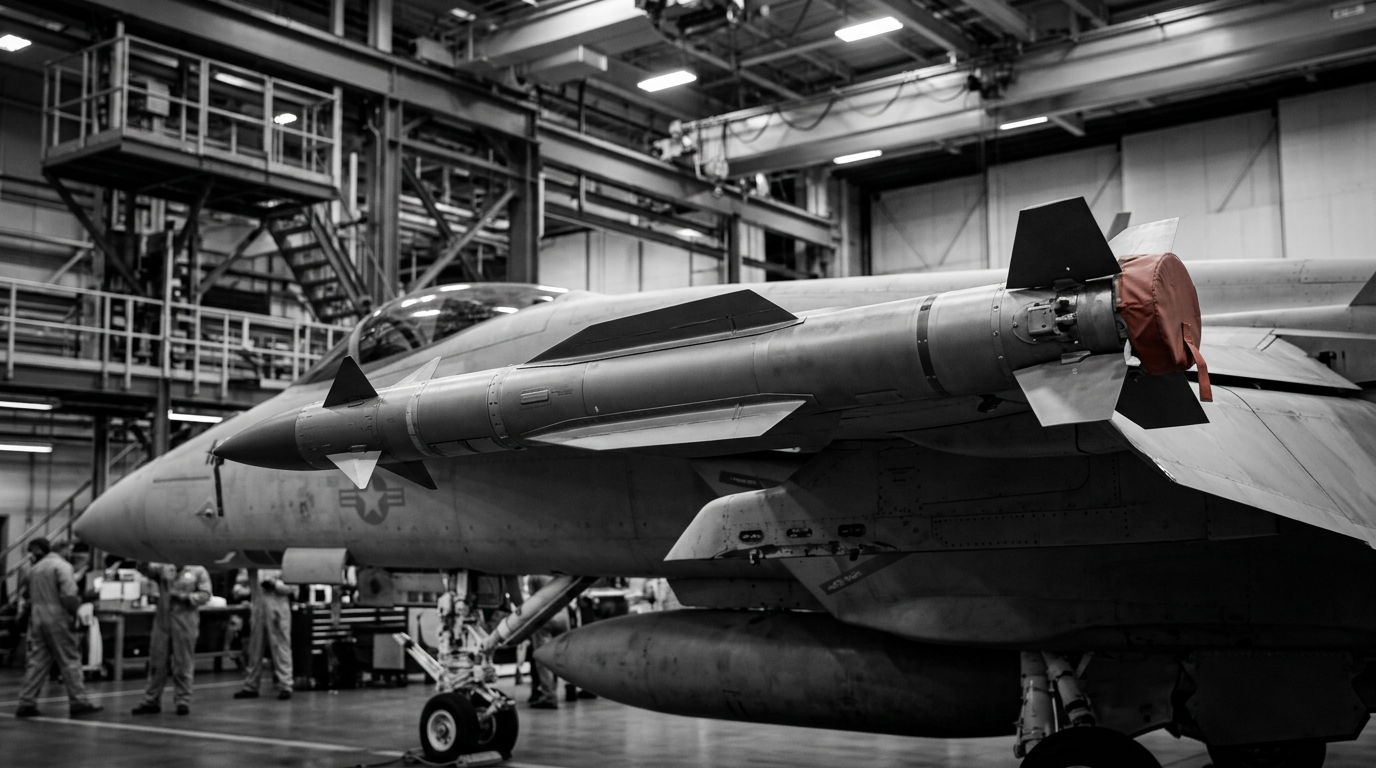
A California defense startup, Castelion, has received a $105 million U.S. Navy contract dated April 24 to integrate its Blackbeard hypersonic missile onto carrier-based F/A-18 fighter jets. The award, which appeared in the government’s awards database on Friday, covers the work needed to move the weapon from development toward operational use. Officials have described the effort as supporting a path to potential battlefield deployment by next year, with fielding expected in 2025.
The contract scope includes both hardware and software integration, along with flight testing and certification. By pairing an air-launched hypersonic missile with the Navy’s carrier air wing, the program is intended to provide a carrier-based hypersonic strike option. The Blackbeard missile is described as traveling at speeds exceeding Mach 5.
In the source material’s framing, this capability is positioned as relevant to power projection in areas such as the Taiwan Strait. The air-launched approach is contrasted with land-based ballistic missiles, with the F/A-18-launched Blackbeard described as enabling strikes against Chinese missile sites and warships from aircraft carriers. The stated aim is to extend the reach of U.S. forces by leveraging carrier mobility and aircraft launch flexibility.
Affordability is also highlighted as part of the concept. The missile’s projected cost profile, alongside its speed, is presented as a factor intended to deter potential adversaries. Separately, Navy budget documents cited in the source indicate plans to acquire 4,500 air-launched hypersonic missiles for F/A-18E/F aircraft over the next five years, with an average unit cost of approximately $384,000.
On the industrial side, Castelion is privately funding a $250 million manufacturing campus known as Project Ranger. The company’s stated goal is to support anticipated production demand, targeting output of thousands of Blackbeard missiles annually by the end of next year. The Navy contract and the manufacturing buildout together outline a parallel track of integration work and capacity planning tied to the program’s timeline.
Key uncertainties remain around the pace of testing, certification, and the transition from integration milestones to operational fielding, even with a 2025 expectation stated in the source. The award’s posting confirms the contract action and its value, while the schedule and production targets described depend on successful completion of the integration, flight testing, and certification activities included in the contract.