Black Voices Rise in Congress
Black representation in Congress has historically fluctuated, with legislative changes and judicial rulings significantly impacting its trajectory since 1870.
Cuneyd Erdogan ·
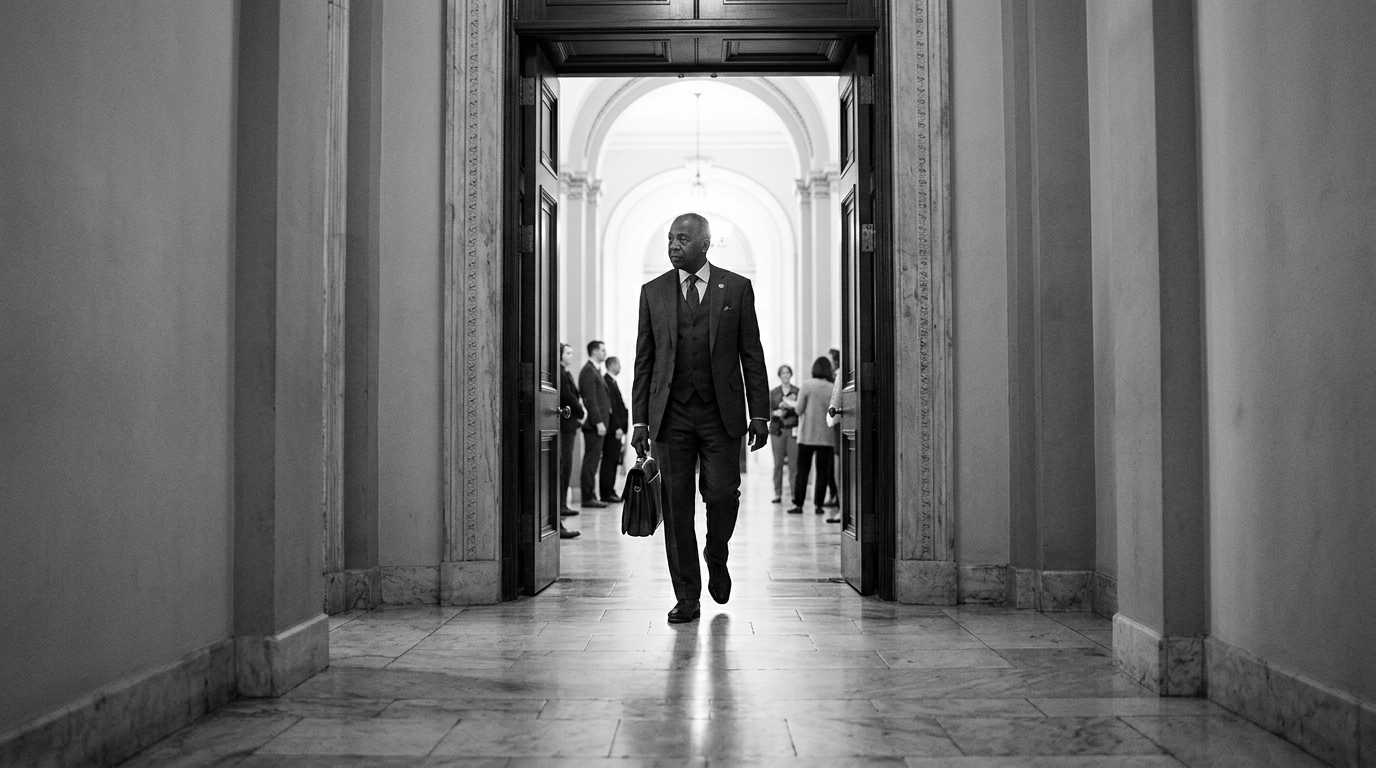
Black Congressional Representation Evolves Black representation in the U.S. Congress has experienced significant fluctuations since 1870, marked by periods of growth followed by decline, often influenced by legislative and judicial actions. The Supreme Court's recent decision to limit a key provision of the Voting Rights Act on April 29, 2026, has raised concerns among civil rights leaders regarding potential impacts on future Black political representation.
The initial surge in Black congressional membership occurred post-Civil War, with Hiram R. Revels of Mississippi becoming the first Black senator in 1870 and Joseph H.
Rainey of South Carolina the first Black House member. By 1880, 14 Black representatives and two senators, all Republicans from the South, had served.
However, this progress was curtailed by voter suppression and Jim Crow laws, leading to a 28-year period from 1901 without any Black members in Congress after George Henry White of North Carolina left office.
Representation resumed in 1928 with Oscar Stanton De Priest of Chicago, the first Black Democrat elected from outside the South. The passage of the Voting Rights Act in 1965, following the Civil Rights Act of 1964, was a pivotal moment.
This legislation prohibited racial discrimination in voting, leading to an increase in Black lawmakers. By 1969, nine Black individuals, including the first Black woman, Shirley Chisholm of New York, served in Congress.
The Deep South elected its first Black congressman since Reconstruction in 1972, with Andrew Young representing Georgia, indicating a renewed expansion of Black representation across the nation.